A Morning Train to the Coast
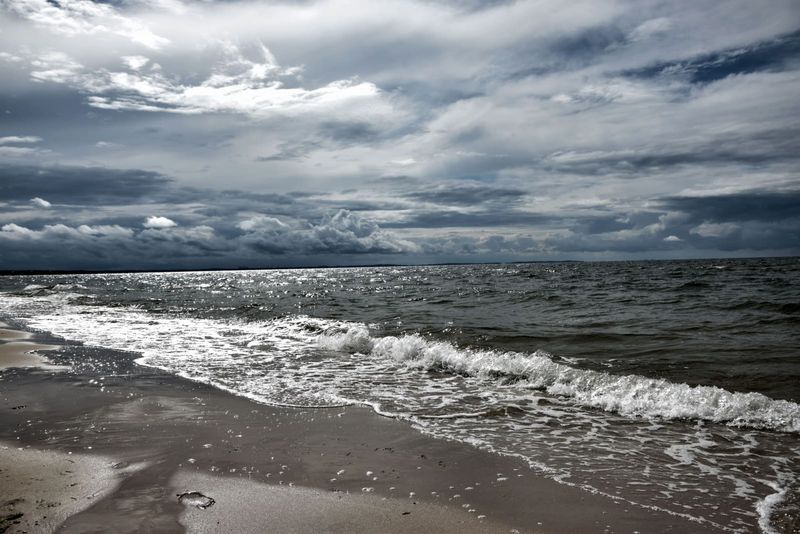
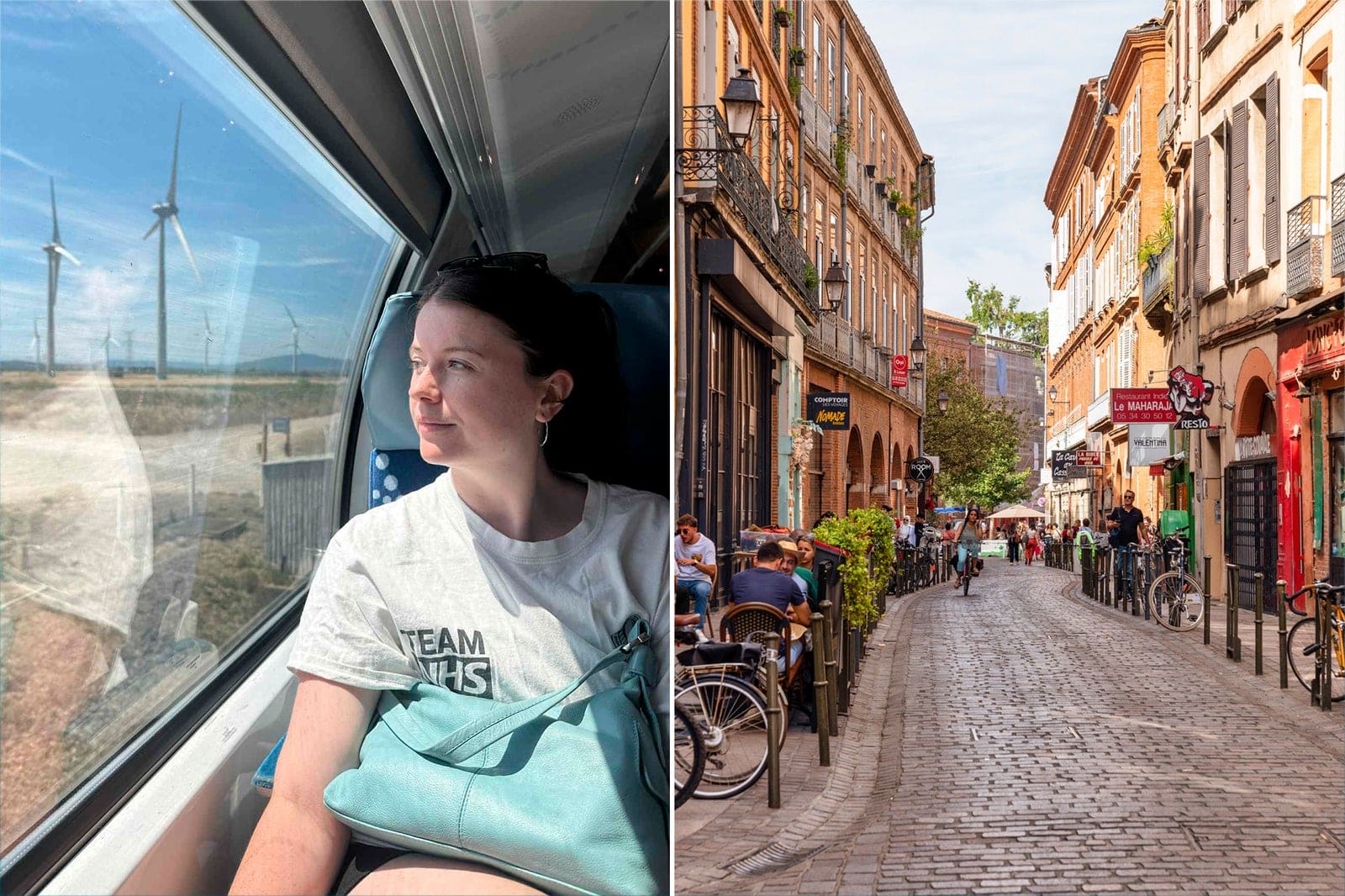
Early trains heading toward Narbonne Plage carry locals with beach bags and visitors seeking a quieter alternative to the crowded shores further east. The beach itself stretches wide enough that families can claim their own patch of sand, with the Pyrenees visible in the distance on clear days. From Toulouse, the journey takes about ninety minutes.
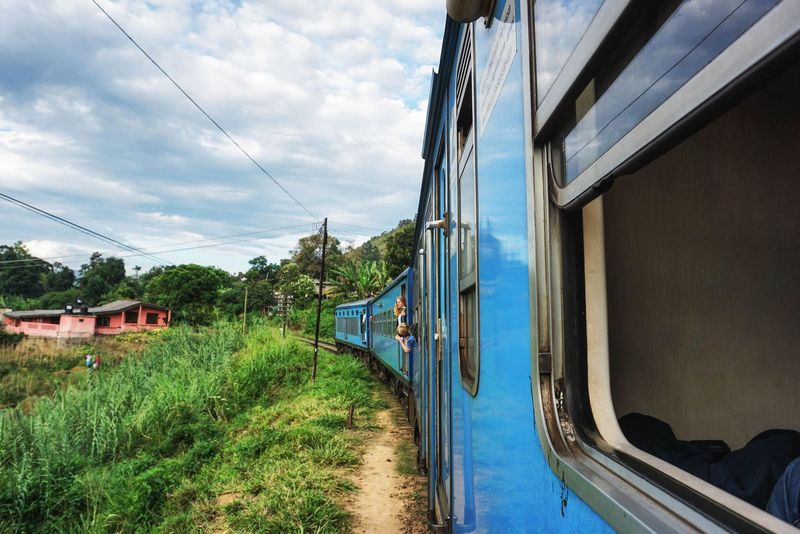
What makes this trip unusual is the price. Regional operator liO introduced a one-euro fare several years ago and has since expanded the number of routes included in the scheme. For travelers exhausted by rising transport costs elsewhere in Europe, the pricing feels almost anachronistic.
Why Occitanie Stays Under the Radar
While Marseille and other Côte d'Azur destinations have seen renewed interest, Occitanie remains comparatively overlooked. Formerly called Languedoc-Roussillon, the region sits between the famous Mediterranean coastline and the Spanish border. It holds Roman amphitheaters, medieval walled cities, protected wetlands, and a network of canals built centuries ago.
The lack of attention has helped preserve a certain authenticity. Towns here don't cater primarily to tourists. Markets sell to locals first. Restaurants serve regional dishes without the markups common in better-known areas.
Montpellier as a Base
Montpellier balances old and new in a way that doesn't feel forced. The city center is walkable, with streets that open onto small squares. MO.CO La Panacée, a free contemporary art museum, occupies a building that dates to the 12th century when it housed the Royal College of Medicine. The attached cafe serves inventive dishes at prices that reflect the neighborhood rather than the tourist economy.
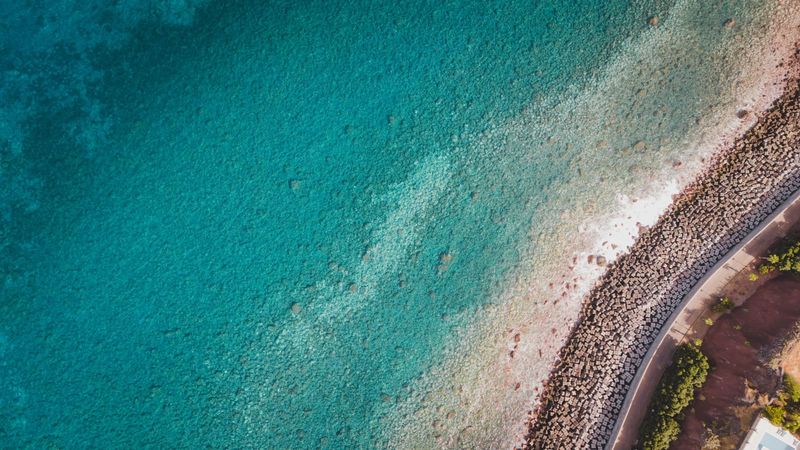
A short tram ride connects the city to Palavas-les-Flots, a beach town with a slightly faded charm. It's not polished, but that's part of the appeal for visitors seeking something other than resort-style perfection.
From Montpellier, coastal routes run through the Camargue salt flats, where pink flamingos gather in protected wetlands. Inland routes lead to the Cévennes National Park, a landscape of granite peaks and chestnut forests.
Roman Ruins and Quiet Towns
Nîmes holds one of the best-preserved Roman amphitheaters outside Italy, along with a temple called Maison Carrée that inspired neoclassical architecture across Europe. The city also maintains Les Jardins des Fontaines, an 18th-century garden that climbs a hillside above the ruins.
Arles offers another amphitheater, plus access to the Camargue wetlands. The town has long attracted artists, though it remains less crowded than other historic centers in Provence. Frontignan, a smaller stop along the coast, has a beach and a cluster of bistros that serve regional wines.
Toulouse and Its Surroundings
As the regional capital, Toulouse anchors the western side of Occitanie. The city's train station, Matabiau, connects to both coastal and inland destinations. Toulouse itself has enough architectural interest to fill several days. The Chapelle des Carmélites hides behind a plain blue door in an alley, its interior covered in frescoes. The adjoining cafe functions as a de facto coworking space for locals.
Place St Pierre, away from the central Capitole square, offers a quieter setting for an evening drink. Across the Garonne river, an area marketed as Toulouse Plage provides access to watersports and outdoor activities, though there's no actual beach.
The medieval city of Carcassonne, a UNESCO World Heritage site, lies about an hour from Toulouse by train. Its double-walled fortifications and towers draw visitors year-round, but the surrounding countryside sees far fewer people.
Following the Canal du Midi
Built in the 17th century to connect the Atlantic to the Mediterranean, the Canal du Midi now serves recreational travelers more than commercial barges. The towpaths alongside the water are flat, shaded by plane trees, and accessible to cyclists of varying skill levels.
Villelongue Abbey, less than an hour's ride from the town of Bram, sits isolated in open countryside. The 12th-century structure was saved from collapse by private investors and now operates as a cultural site. The surrounding landscape shifts from rolling hills to dense forests, with cypress trees marking the edges of vineyards and wild herbs growing along the paths.
Practical Considerations
The one-euro fare applies to specific regional routes operated by liO, and advance booking improves availability. Not every connection qualifies for the lowest price, so checking the fare structure before planning a route helps avoid surprises.
Budget airlines connect London and other UK cities to Toulouse and Montpellier, with return fares starting around thirty-five pounds depending on the season. Once in the region, the train network covers most major towns, though some rural areas require a combination of rail and bus or bike.
Accommodation ranges from budget hostels to boutique hotels in converted historic buildings. Montpellier and Toulouse offer more options at the lower end of the price spectrum, while Carcassonne's hotels tend toward the higher end, particularly those inside the walled city.
A Different Pace
Occitanie doesn't try to compete with the glamour of the Riviera or the wine prestige of Burgundy. It offers Roman history without the crowds, beaches without the resort infrastructure, and countryside access without requiring a car for every trip. The regional train scheme makes spontaneous day trips feasible in a way that's increasingly rare in Western Europe.
For travelers interested in exploring France beyond the usual circuits, the region provides a functional alternative. The infrastructure exists, the prices remain reasonable, and the landscape varies enough to sustain interest over multiple visits.