A Shift in Where People Look for Ideas
When younger travellers start thinking about their next holiday, they are increasingly opening TikTok before texting a friend. Recent consumer research by TUI Musement shows that 48 percent of Gen Z travellers get their holiday inspiration from the platform, a figure that edges past the 43 percent who rely on recommendations from friends and family. The survey, which covered respondents in Italy, Spain, and the United Kingdom, points to a wider change in how people discover places to go.
The same research found that 43 percent of all travellers said they had booked a trip or activity after seeing a viral post or video. Interestingly, millennials were slightly more likely than Gen Z to act on what they saw online, with 52 percent making a booking based on internet inspiration compared to 50 percent of their younger counterparts.
Influencers Shape Itineraries
Among those who follow travel content creators, the impact is tangible. According to TUI Musement, 43 percent said influencers had influenced their travel decisions in some way. More than a quarter, 27 percent, went further and changed their planned destination entirely after watching or reading influencer commentary.
Mirco Fiumene, Managing Director Experiences and CMO at TUI Musement, acknowledged the role of short-form video in shaping modern travel planning. He noted that a single image or clip can now spark the idea for an entire trip, prompting the company to expand its presence on platforms like Instagram and TikTok.
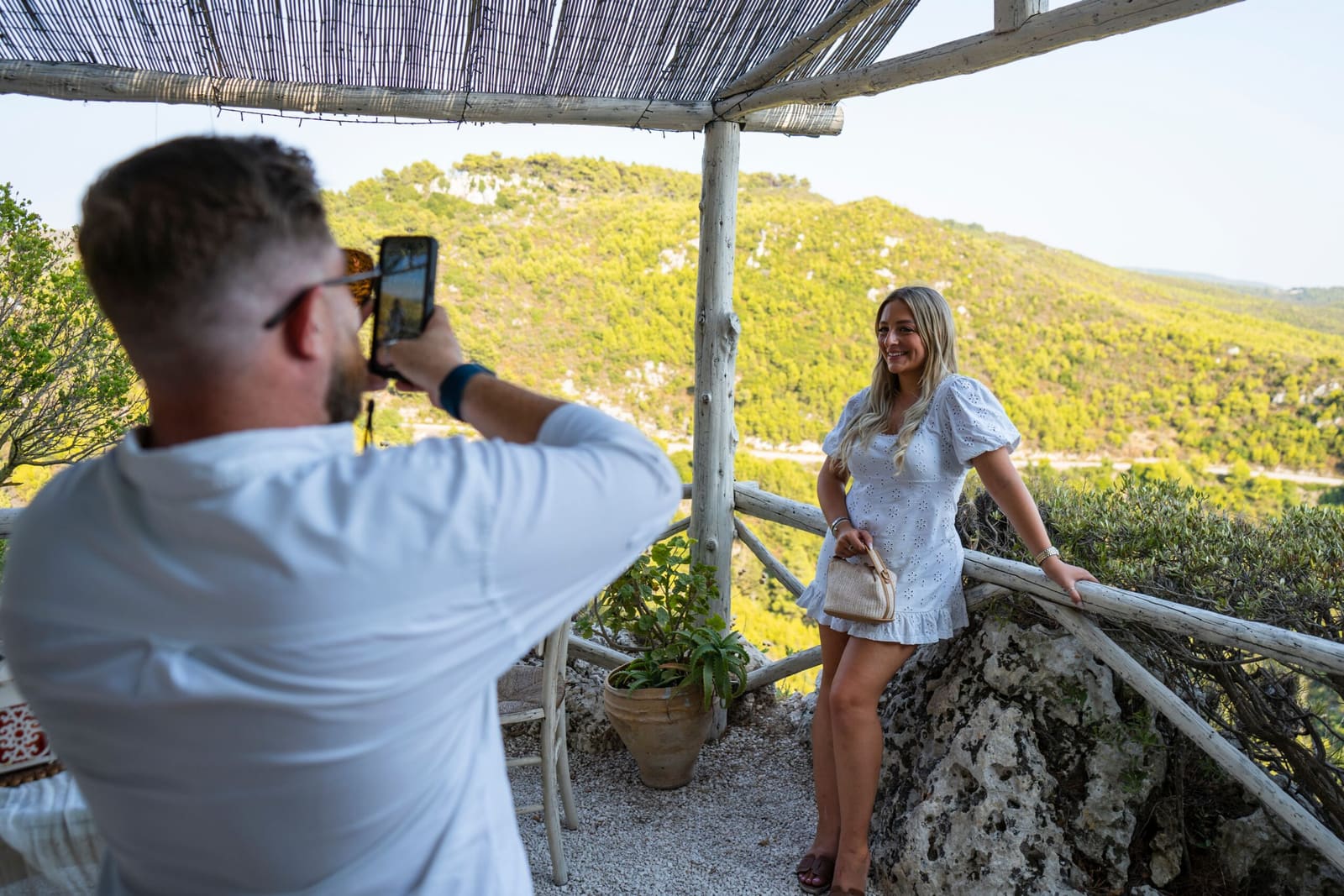
The shift raises questions about what travellers prioritise. While some seek out lesser-known towns to avoid crowds or to share something new, others are drawn to famous landmarks precisely because they want to prove they were there. The survey found that 39 percent of respondents had visited a well-known tourist site mainly to document their presence, and 37 percent said they would choose Instagram-famous destinations over more obscure alternatives.
The Pressure to Perform
The influence of social media extends beyond where people go. It also affects how they present their experiences once they arrive. More than a third of all respondents, 37 percent, said they felt pressure to make their holidays look more exciting on social media than they actually were. That figure climbs to 45 percent among Gen Z travellers, who are more likely to curate a polished version of their trip for their online profiles.
This dynamic reflects a broader tension in how people engage with travel today. The desire to share and be seen can sometimes overshadow the experience itself, turning a holiday into content production as much as relaxation or discovery.
Yet the survey also suggests limits to the appeal of a screen-centered life. Nearly one in five respondents said they would view an obsession with photos and social media as a red flag when choosing a travel companion. The data hints that even as platforms like TikTok play a larger role in planning, many people still value the quality of in-person connection when they are actually on the road.
What This Means for the Industry
The findings point to a travel landscape where digital platforms are not just marketing channels but active participants in the decision-making process. Destinations, tour operators, and accommodation providers are increasingly aware that visibility on TikTok or Instagram can drive bookings in ways traditional advertising does not.
At the same time, the research from TUI Musement suggests that the substance of travel still matters. The company interprets the results as evidence that while social media has changed how people discover and plan trips, the actual activities and moments at a destination remain central to how travellers connect with a place.
The balance between online inspiration and offline experience is still being worked out. For now, it appears that younger travellers are comfortable navigating both, even if the line between the two is thinner than it used to be.