A Night When History Stays Open Late
On August 28, visitors to Greece will find the doors to more than a hundred heritage sites unlocked and admission waived. The occasion is the country's annual full moon celebration, a tradition now in its 27th year that transforms archaeological parks, museums, and monuments into venues for evening exploration.
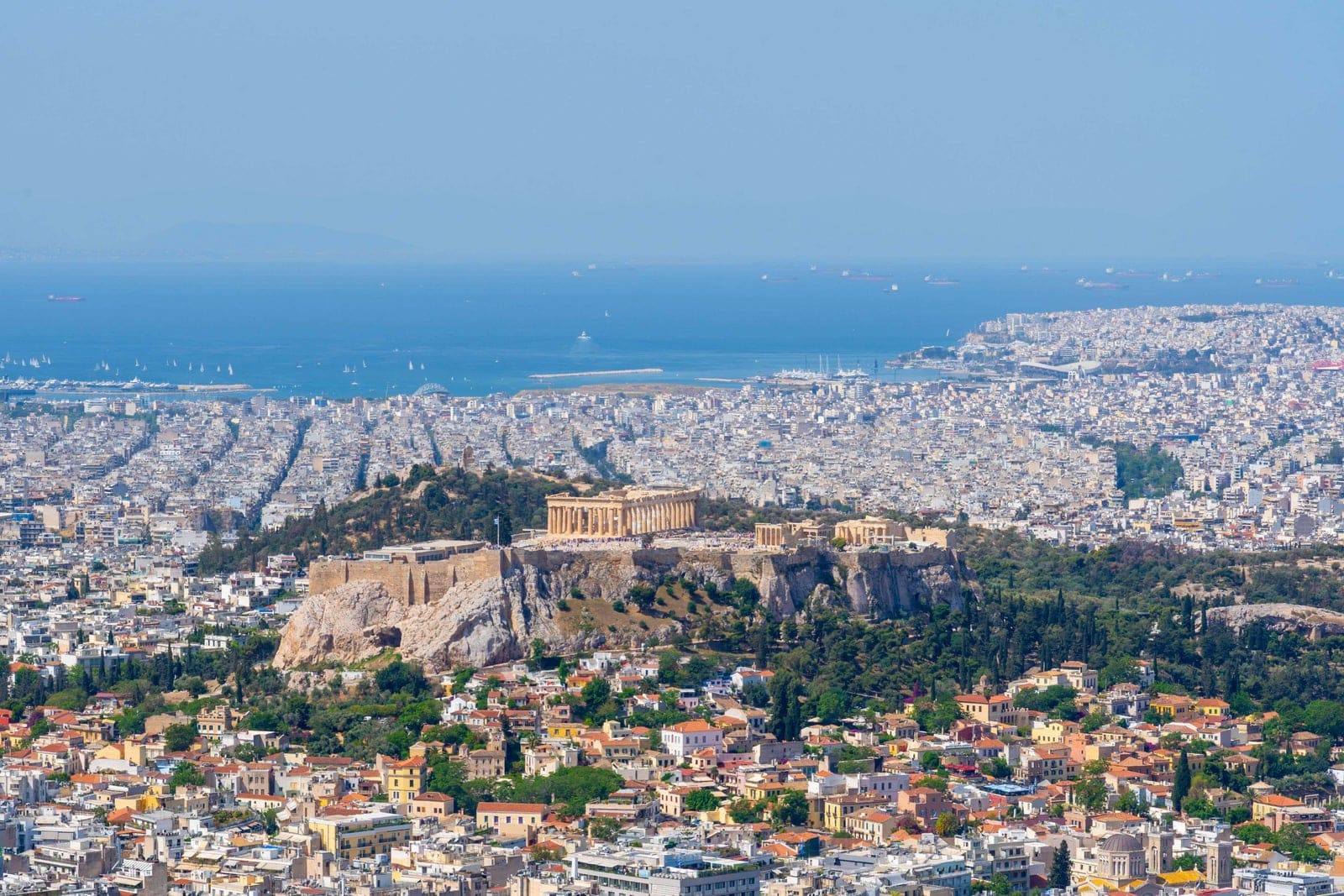
According to the Greek Ministry of Culture, 126 sites will participate, coordinated by the General Directorate of Antiquities and Cultural Heritage. The Acropolis Museum will extend its hours from 9am to midnight, allowing visitors to move through its permanent galleries and a temporary exhibition on ancient Greek art in Italy. Other participating locations span the country, from coastal ruins to inland fortifications.
Performances and Programming
Sixty-one of the sites will host live events between 7:30pm and midnight. The ancient city of Abdera, the Odeon of Agrippa in Athens, and the Castle of Mendenitsa in Phthiotis will feature musical performances. Theatrical productions, dance, guided tours, and exhibitions round out the programming. Some venues will also offer events on evenings from August 26 through August 30, extending the celebration beyond the single night.
The format is straightforward: free entry, extended access, and cultural programming timed to coincide with the full moon. The ministry describes the initiative as a way to unite the country's heritage sites in a shared cultural moment, one that takes advantage of the atmosphere created by moonlight on ancient stone.
Why Greece Keeps the Tradition Going
The full moon event reflects a broader approach to heritage management in Greece, where access and engagement are balanced with preservation concerns. By concentrating free admission on a single night each year, the ministry creates a high-visibility moment that draws both locals and travelers without undermining the revenue model that funds site maintenance and research.
The timing also matters. August is peak travel season in Greece, when visitor numbers are already high. Opening sites at night shifts some of that pressure to hours when most monuments are typically closed, and the cooler evening temperatures make outdoor exploration more comfortable.
For travelers, the event offers a rare chance to see places like the Acropolis Museum or lesser-known sites without the usual daytime crowds or ticket costs. But the initiative is not purely pragmatic. The ministry's emphasis on "unique cultural evenings" and "the magic of the night" suggests an intention to reframe how people experience these spaces, moving beyond daytime tourism into something more atmospheric and communal.
Context Beyond the Full Moon
Greece has been active in both preserving and promoting its heritage infrastructure. Athens recently began the first comprehensive cleaning of the Panathenaic Stadium in over a century. The venue, built entirely from white marble sourced from the same quarries as the Acropolis, was reconstructed for the 1896 Olympic Games and continues to serve as the starting point for the Olympic flame relay. The cleaning process requires specialized care due to the sensitivity of the marble, and the work underscores the ongoing challenge of maintaining historical structures that remain in public use.
The full moon program operates on a different scale but reflects a similar philosophy: heritage sites are not static relics but active parts of contemporary life. By opening them at night, with performances and extended hours, Greece positions its archaeological legacy as something accessible, livable, and worth experiencing on terms beyond the standard museum visit.
What Visitors Should Know
Free admission applies only to the sites listed by the ministry for August 28, with some locations offering additional evenings from August 26 to 30. Hours vary by venue, so checking specific details in advance is advisable. The Acropolis Museum's midnight closing time is an outlier; most sites will close earlier, typically around midnight or slightly before.
Crowds are expected, particularly at high-profile locations in Athens. Arriving earlier in the evening may offer a quieter experience, though the atmosphere builds as the night progresses. The events are designed for general audiences, not just those with advance knowledge of Greek history, and the programming mix of music, theater, and guided tours provides multiple entry points for engagement.
The initiative also highlights a tension inherent in heritage tourism: how to make sites widely accessible while managing the wear that comes with high visitor numbers. Greece's solution, at least for this event, is to concentrate access in time rather than restrict it by price or permit, a model that other countries with significant archaeological resources may find worth studying.