A Request Born from Pressure
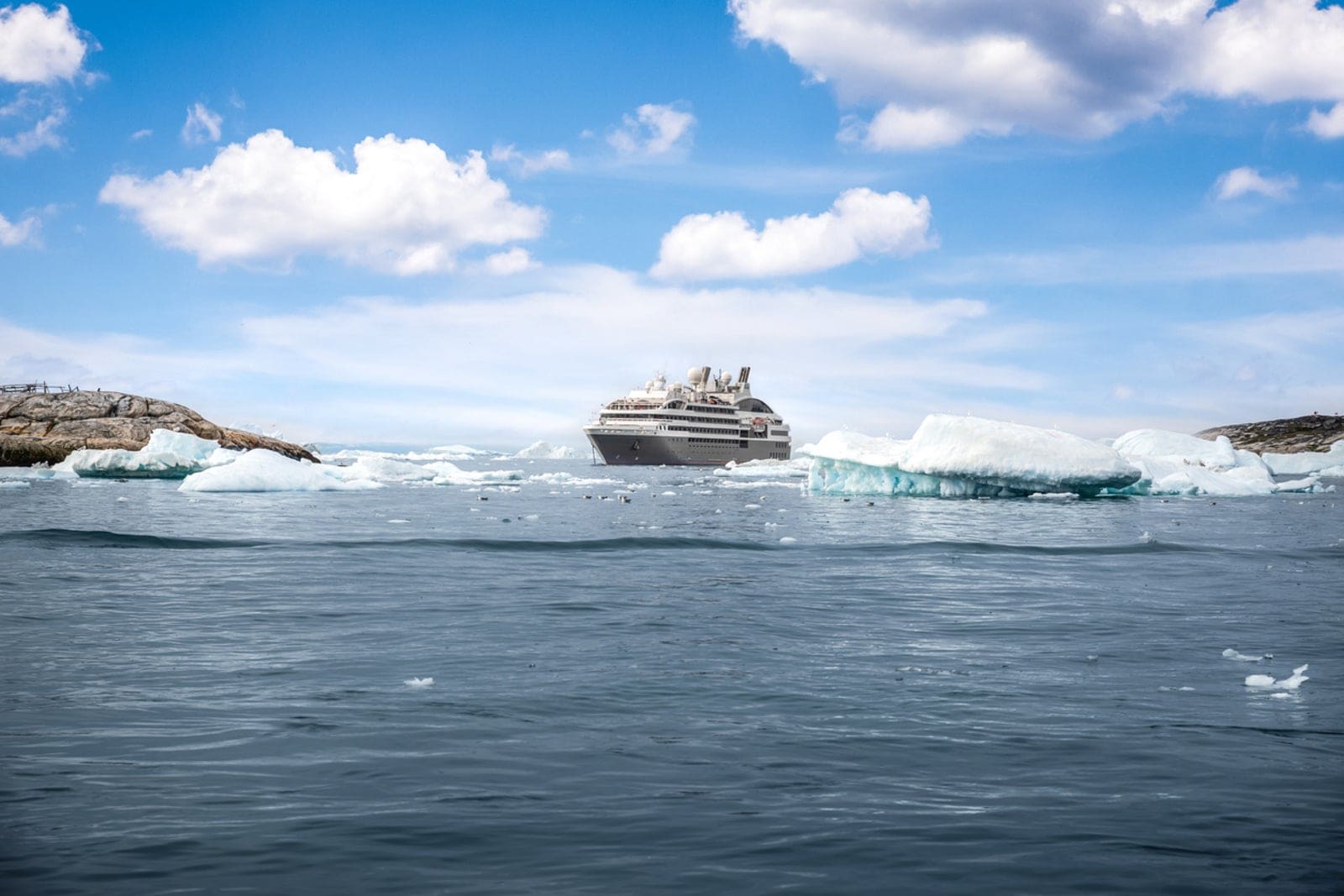
Greenland's government has asked cruise companies to avoid or sharply reduce sailings through its fjords, saying the vessels are overwhelming local communities and harming natural habitats. The appeal, issued by Naalakkersuisut earlier this month, stops short of an outright ban but signals a shift in how the territory wants to manage its tourism boom.
The fjords in question are dramatic, glacier-carved valleys flooded by seawater, and they draw ships precisely because of that scenery. But they also support whales, musk oxen, Arctic foxes, and scattered coastal settlements where residents now find themselves sharing narrow waterways with vessels that can carry thousands of passengers at a time.
The government's statement was blunt: the ships are creating pressure that the region's fragile ecosystems and small populations were not built to absorb. It has sent the message directly to cruise operators and ship captains, asking them to rethink their routes.
Zoning Rules on the Way
Alongside the voluntary request, Greenland is drafting formal zoning restrictions under its Tourism Act. The regulations will map out which waters remain open to cruise traffic and which will be off-limits or subject to stricter controls. The zoning is being developed with input from local communities, businesses, and other stakeholders, and will take effect after a consultation period closes.
The move reflects a broader tension in Greenland's relationship with tourism. The territory has seen steady growth in visitor numbers, with nearly 180,000 tourists arriving in 2025, up eight percent from the year before, according to government figures. But cruise passenger counts have wobbled. In 2025, Greenland registered 93,897 cruise visitors, a slight drop of 1.4 percent from 95,185 in 2024. The decline may be linked to the opening of Nuuk's new international airport in 2024, which has made it easier for travelers to arrive by air rather than sea.
American tourists make up more than half of all cruise passengers visiting Greenland, followed by Germans and Britons. The government acknowledges that cruise tourism brings jobs, revenue, and activity to remote towns and settlements. But it also insists that growth must not come at the expense of the environment or the people who live there year-round.
Balancing Revenue and Respect
The government's statement framed the issue as one of balance. It said it welcomes interest in Greenland but is committed to ensuring that tourism develops sustainably and with respect for local populations, nature, and wildlife. "Responsible tourism development requires that an appropriate balance is maintained between commercial interests and the protection of Greenland's natural and cultural values," the statement read.
That language is careful, but the underlying message is clear: the current level of ship traffic in some areas is unsustainable. Noise from engines and propellers can interfere with marine mammal communication and feeding. Large groups of passengers moving through small communities can strain infrastructure and disrupt daily life. And the sheer volume of vessels in narrow fjords raises questions about safety and environmental degradation.
The zoning approach gives Greenland a tool to manage those impacts without shutting down the industry entirely. By designating certain areas as restricted or closed, the government can direct ships toward places better able to handle them while keeping the most sensitive habitats and communities out of reach.
What Happens Next
The consultation process is ongoing, and the final zoning map has not been published. It is unclear how strictly the rules will be enforced or whether cruise lines will comply with the voluntary request in the meantime. Some operators may adjust their itineraries proactively; others may wait for formal regulations to take effect.
What is certain is that Greenland is joining a growing list of destinations trying to manage the side effects of cruise tourism. From Venice to the Norwegian fjords, local governments have imposed caps, rerouted ships, or introduced fees to limit the impact of large vessels on fragile environments and small communities. Greenland's approach is softer for now, relying on persuasion rather than prohibition. But the zoning rules suggest that stronger measures are coming if the industry does not respond.
For travelers, the implications are still taking shape. Some fjord routes may become harder to access, and itineraries could shift toward ports with better infrastructure and fewer environmental concerns. The trade-off, from Greenland's perspective, is that the places worth visiting will remain worth visiting, rather than being worn down by the traffic they attract.