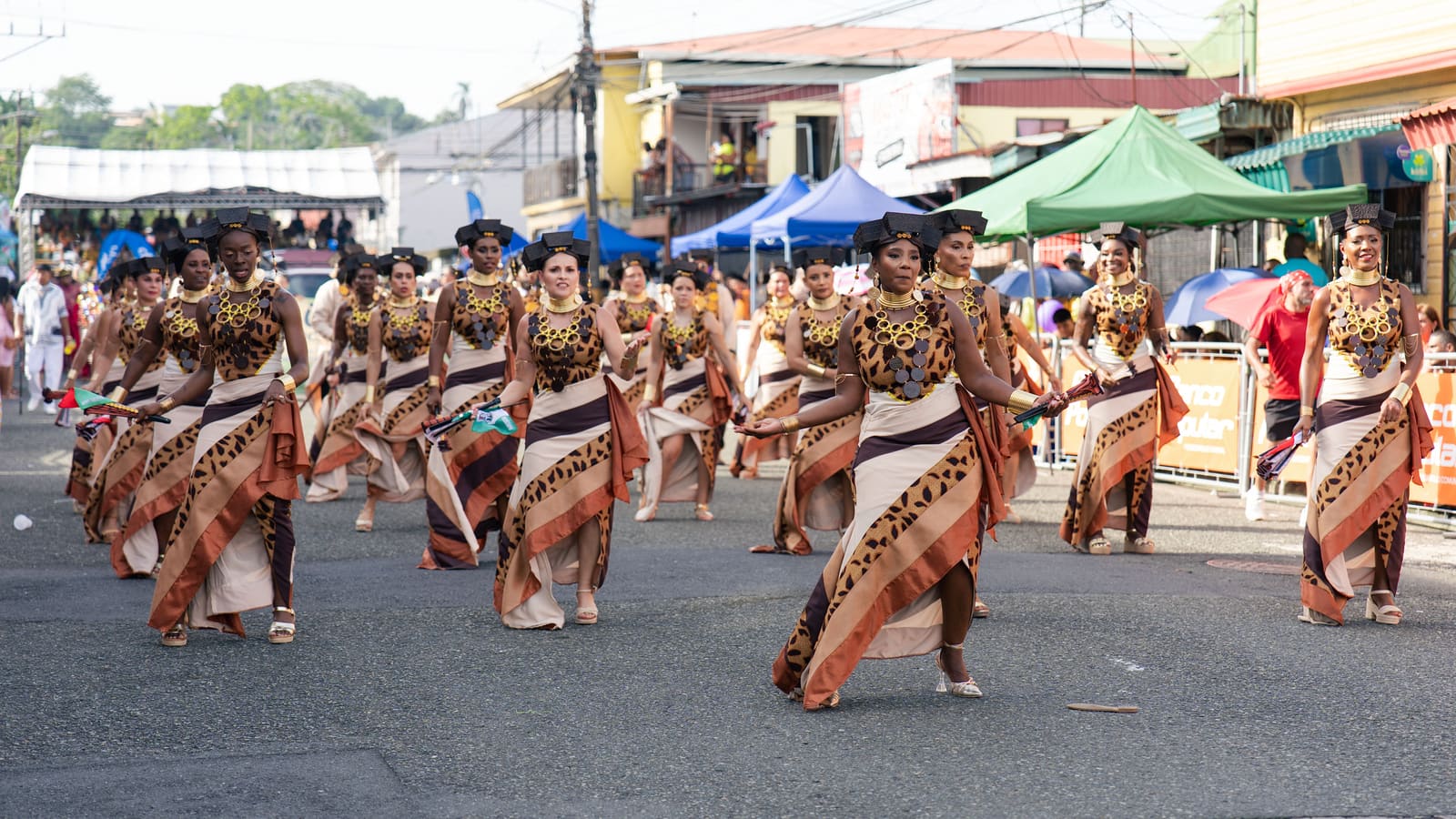
Oil Revenue Meets Ecotourism in Guyana
Guyana welcomed 453,000 visitors in 2025, a 22 per cent increase on the previous year, and its government now calls the South American nation an emerging destination built on oil wealth and rainforest appeal. Susan Rodrigues, the country's Minister of Tourism, Industry and Commerce, told a ministerial dialogue at the Global Tourism Forum in Brussels that revenues from petroleum production, which began in 2019, have been channelled into infrastructure, healthcare, education and air links, with tourism identified as a strategic priority.
Nine internationally branded hotels and 12 new airlines have entered the market over the past six years. Rodrigues acknowledged that connectivity remains the foremost challenge, both within the country and to international hubs, and that investors prioritise political and economic stability above all else.
She insisted that growth must reach beyond the capital. Indigenous communities operate their own ecotourism ventures and receive income from carbon credit sales. Under a contract worth 750 million US dollars with Hess Corporation, 15 per cent of proceeds flow directly to villages to fund sustainability initiatives. Rodrigues repeated the position of President Irfaan Ali: the country's transformation will not come at the cost of its environment or its identity.
Mozambique Looks Beyond the Beach
Mozambique's Secretary of State for Tourism, Fredson Victor Bravo Bacar, outlined a parallel effort to broaden the country's tourism offer. For years the sector sold mainly coastal holidays; now the government is promoting conservation areas, cultural routes, gastronomy and golf, supported by new legal frameworks and dedicated tourism and golf zones in Inhambane province.
The second Mozambique Tourism Summit, which concluded the week before the Brussels meeting, presented 20 projects to potential investors. With approximately 2,700 kilometres of coastline and more than a quarter of its territory under some form of conservation designation, the country aims to raise tourism's contribution to gross domestic product from under five per cent to between eight and ten per cent within a decade.
Bacar stressed that development cannot proceed without the involvement of local people. His message to investors was direct: Mozambique is resource-rich and open for business, but partnerships must work with communities to create products that benefit them.
The Common Thread
Both ministers spoke on a panel moderated by Özgül Özkan Yavuz, a board member of Turkish Airlines and former deputy minister of culture and tourism in Türkiye. She noted that tourism supports a wide range of industries and creates jobs for young people and women, particularly in economies seeking to diversify.
The appeal from Guyana and Mozambique reflects a broader pattern among governments that control natural assets but lack the capital or technical capacity to develop visitor infrastructure at scale. Both countries are attempting to balance rapid growth with environmental protection and social inclusion, aware that foreign investors will scrutinise not only financial returns but also regulatory stability and community relations.
The challenge they face is common to many emerging markets: connectivity costs are high, skilled labour is scarce, and the gap between policy announcements and on-the-ground delivery can be wide. Yet both governments are betting that tourism, if managed well, can deliver economic transformation without eroding the environmental and cultural assets that make the offer distinctive in the first place.
The ministerial dialogue closed the first day of the Global Tourism Forum Annual Meeting in Brussels, held under the theme of global leadership and investment. Sessions on the second day covered security, resilience, borders, cybersecurity and climate risk, concluding with the Brussels Agenda for Tourism Investment and Security.