A Fortress with Many Lives
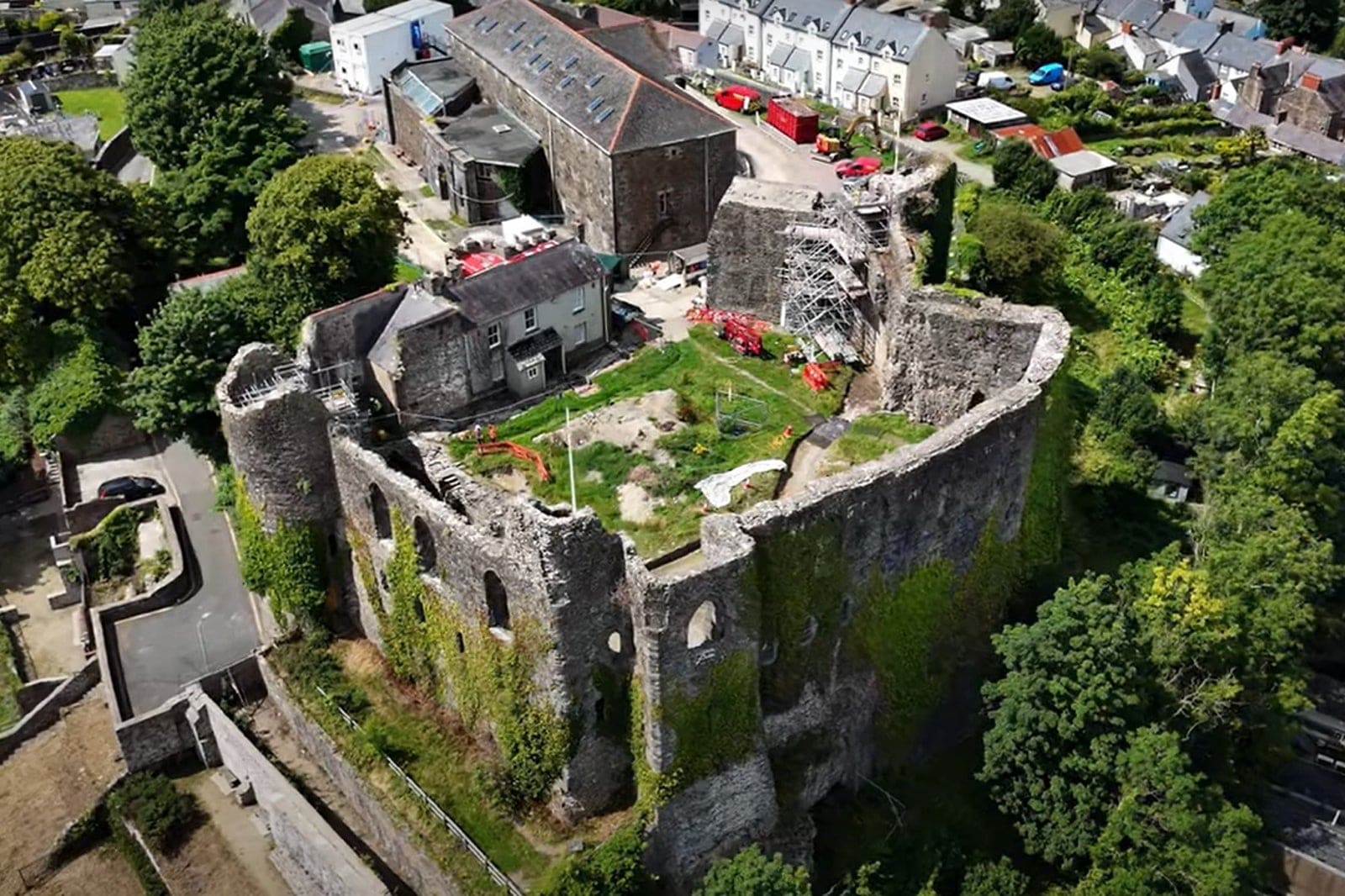
Haverfordwest Castle has spent eight centuries watching southwest Wales change around it. First documented in 1188, the Pembrokeshire stronghold has been a military fortress, a target of destruction, and later a prison. Now it's preparing for another chapter: as a heritage attraction designed to pull visitors into the region's layered past.
The castle is currently closed while crews work through a £17.7 million redevelopment. If the timeline holds, it will reopen to the public in 2028 with interactive exhibitions, a cafe serving locally sourced food and drink, and a 500-seat outdoor space for live music and events, according to Pembrokeshire Council.
What Remains, What's Planned
The site still holds several towers, fragments of the inner keep, and the shell of the inner ward. Much of the original structure was ordered destroyed by Oliver Cromwell in 1648, and parts were later repurposed as a prison during the 18th century. What survived offers a skeleton of the castle's original scale.
The renovation aims to make those ruins more accessible and legible. Visit Pembrokeshire describes the project as a way to present the region's history through immersive, interactive formats rather than static displays. A summer programme of performances and live music is also in the works, turning the castle grounds into a venue as well as a museum.
Funding and Context
The project is being financed by a mix of public sources: the UK Government, the National Lottery Heritage Fund, the Welsh Government's Transforming Towns fund, and match funding from Pembrokeshire County Council. The castle restoration is part of a broader regeneration effort in Haverfordwest, which also includes refurbishing the Haverfordwest Museum inside the Governor's House on the castle site.
Paul Miller, a Pembrokeshire councillor, called the project a flagship attraction for the town and surrounding area, with expected economic benefits beyond tourism.
A Pattern Across the UK
Haverfordwest isn't the only historic castle undergoing a major facelift. Last year, Norwich Castle reopened its stone keep after a five-year, £27.5 million restoration. That project, supported by a £13 million grant from the National Lottery Heritage Fund, recreated the original floor plan from 1121, including great halls and royal apartments. Work began in 2020 but faced two years of delays due to the pandemic and supply chain disruptions linked to the war in Ukraine.
The comparison is telling. Both projects required significant public investment, multi-year timelines, and a willingness to rebuild interiors that had long since disappeared. Both also bet on immersive experiences rather than passive observation, reflecting a shift in how heritage sites are trying to engage visitors.
Why Castles Still Matter
Castles like Haverfordwest carry a particular kind of weight. They're physical markers of power, conflict, and change, and they tend to sit in places where those forces played out over centuries. Restoring them isn't just about preserving stone; it's about deciding which stories to tell and how to make them relevant to people who didn't grow up with these places as part of their daily landscape.
For Pembrokeshire, the castle project is a chance to anchor tourism in something with deep roots. The region already draws visitors for its coastline and national park. Adding a restored castle with programming and amenities could extend stays and spread spending into the town itself.
The risk is that the investment doesn't translate into sustained attendance, or that the interactive elements feel more gimmicky than illuminating. Heritage attractions often struggle to balance education, entertainment, and economic return. The café and event space suggest Pembrokeshire is hedging its bets, creating multiple reasons for people to visit beyond the history itself.
What 2028 Will Bring
For now, Haverfordwest Castle remains a construction site. The towers and walls are still there, but the experience visitors will have in two years is being built from scratch. Whether it becomes a draw that reshapes the town's economy or just another restored ruin will depend on how well the pieces come together: the exhibitions, the programming, the food, the atmosphere.
What's clear is that the castle is being asked to do more than stand still. It's being repositioned as a living venue, a place where history is performed and consumed rather than simply observed. That's a big ask for stones that have already survived eight centuries of turmoil. But if the project works, Haverfordwest Castle might prove it has a few more chapters left to write.