The Tension Is Real
Barcelona welcomed 26 million visitors last year, according to the city's tourist board. That's roughly 16 times the resident population packed into a city designed for far fewer people. Protests have erupted periodically, and headlines outside Spain sometimes miss the point. Residents aren't angry at individual tourists. They're frustrated that their neighborhoods feel like attractions rather than places people actually live.
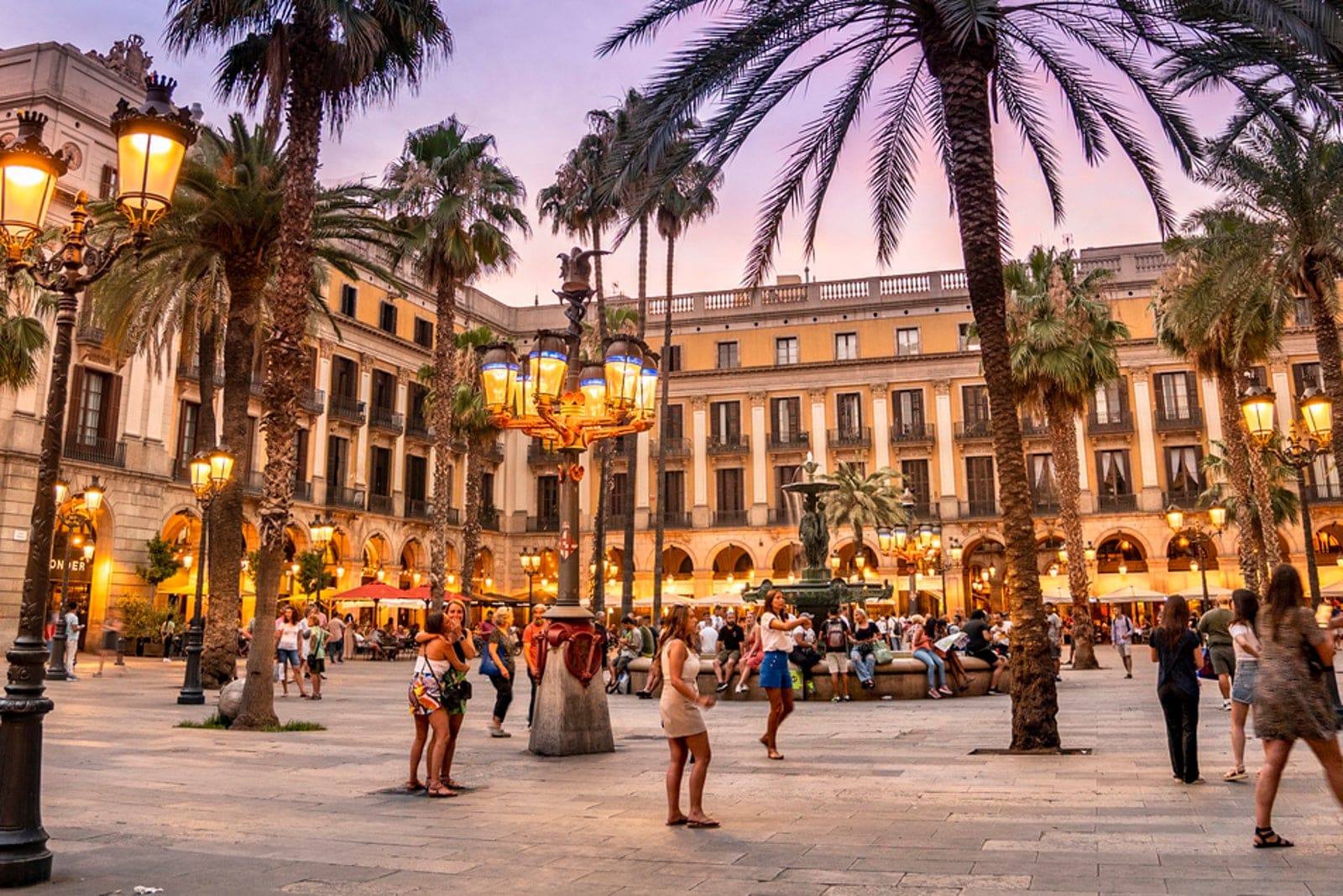
The pressure is visible everywhere. Rents have climbed as short-term rentals eat into housing stock. Streets fill with visitors who treat plazas like photo sets. The city still depends on tourism as its primary industry and actively courts it through festivals like Primavera Sound, but the volume has outpaced the infrastructure and patience of the people who call Barcelona home.
The question for travelers is straightforward: can you visit without making things worse? The answer is yes, but it requires intention.
Lean on the Metro
Barcelona's public transport system is reliable, affordable, and air-conditioned. Using it instead of ride-shares keeps streets clearer and funnels your ticket money back into maintenance and expansion. The Metro runs frequently and reaches most places visitors want to go. If you're carrying a backpack, take it off your shoulders when the train gets crowded. Commuters will notice.
Avoiding electric scooters for short trips also helps. They clog sidewalks and create hazards for pedestrians, many of whom are trying to get to work or school while navigating waves of tourists.
Skip the Chains
Corner shops and neighborhood markets offer the same snacks and drinks as supermarket chains, often at lower prices. A one-liter bottle of water typically costs half what a 500-milliliter bottle does. Buying from smaller retailers keeps money circulating locally rather than disappearing into corporate accounts elsewhere.
Barcelona's markets are exceptional. La Boqueria is famous, but neighborhood markets like Sant Antoni offer quality produce, cheese, cured meats, and prepared foods without the crush. If you're assembling a picnic or stocking an apartment, this is where to do it.
Choose Regulated Lodging
Short-term rental platforms have drained housing from the market, pushing up costs for residents. Barcelona has responded with some of the strictest regulations in Europe. By 2028, the city plans to phase out new acquisitions of properties with Habitatge d'Ús Turístic licenses, the permits required for short-term rentals.
Staying in a licensed hotel or apartment ensures your accommodation isn't contributing to the housing crunch. Independent hotels that meet environmental standards add another layer of responsibility. Buildings in Barcelona's Eixample district, many dating to the early 1900s, are architecturally protected, and renovations that prioritize water conservation and energy efficiency matter in a city facing hotter summers and periodic drought.
Eat Beyond the Obvious
Ham and cheese tapas are everywhere, and they're fine. But Barcelona's food scene reflects waves of immigration from Latin America, North Africa, and beyond. Peruvian ceviche, Colombian arepas, and Ecuadorian ceviche shops dot the city, often run by families who've been here for decades.
Traditional Catalan cuisine is harder to find in tourist-heavy areas, but it's worth seeking out. Butifarra, a local sausage, and cap i pota, a hearty tripe stew, appear on menus at older establishments. Can Culleretes in the Gothic Quarter has served Catalan dishes since the 1700s and stocks regional wines that rarely make it onto export lists.
Eating at independent restaurants rather than chains keeps money in the neighborhood and often leads to better meals. Tipping is appreciated here, even though it's not as ingrained as in some countries. If you're paying by card, add a euro or two.
A Few Words in Catalan
Barcelona sits in Catalonia, a region with its own language and strong cultural identity. Spanish is understood everywhere, but using Catalan signals respect. "Bon dia" instead of "hola" in the morning, "bona tarda" in the afternoon, and "si us plau" instead of "por favor" when asking for something. Locals notice the effort, even if your pronunciation is rough.
Language is political here in ways it isn't in many places. Catalan was suppressed under Franco's dictatorship, and its revival is tied to regional identity. Speaking even a little acknowledges that history.
Dress Like You're in a City
Barcelona isn't a beach resort, even though it has beaches. Walking shirtless through neighborhoods, especially near churches and historic sites, irritates residents. It's a small thing, but it reinforces the sense that visitors see the city as a playground rather than someone's home.
Spain takes recycling seriously, and bins are color-coded. Toss your trash properly. Don't stop abruptly in the middle of narrow streets to take photos, and definitely don't photograph homeless people without permission. Street photography that treats vulnerable people as props is exploitation, not art.
Talk to People
The doorman at your hotel, the bartender mixing your vermouth, the vendor at the market - these conversations teach you more about Barcelona than any guidebook. Part of the frustration locals feel comes from being surrounded by millions of people who pass through without engaging.
Ask questions. Listen to recommendations. You'll learn which beaches are less crowded, which festivals matter to residents, and why certain neighborhoods feel tense. You might also hear critiques of tourism policy, gentrification, or infrastructure strain. That's valuable context, and it's part of respecting the place you're visiting.
The Bigger Picture
Barcelona's tourism industry isn't going away. The city needs it economically, and major events continue to draw crowds. The Grand Départ of the 2026 Tour de France brought cycling fans from across Europe to watch riders pass the Sagrada Familia, a spectacle that won't happen again for years.
The goal isn't to avoid Barcelona. It's to visit in a way that lightens the load rather than adding to it. Use infrastructure that benefits from your fare. Spend money where it circulates locally. Learn a bit of the language. Treat the city like a place people live, because they do.
Tourism at this scale creates real problems, but individual choices add up. A thoughtful visit won't solve housing crises or reverse gentrification, but it shifts the balance slightly. And in a city hosting 26 million people a year, even slight shifts matter.