A Surprise Winner
Hydra, a small Greek island in the Saronic Gulf, has been named Europe's top island in a 2026 reader survey by a UK travel publication, scoring 98.12 out of 100. The result placed it ahead of better-known Mediterranean destinations including Sardinia, Sicily, Mallorca and Ibiza, as well as fellow Greek islands Santorini and Mykonos.
The win reflects a broader pattern in the survey results. Seven Greek islands made the top 20, with Hydra's first-place finish particularly notable given its relative obscurity compared to the country's more heavily marketed destinations.
No Cars, No Airport
What sets Hydra apart is what it lacks. The island has no airport and motorised vehicles are almost entirely prohibited, apart from a small number used for waste collection and emergency services. Visitors arrive by ferry and navigate on foot or by boat.
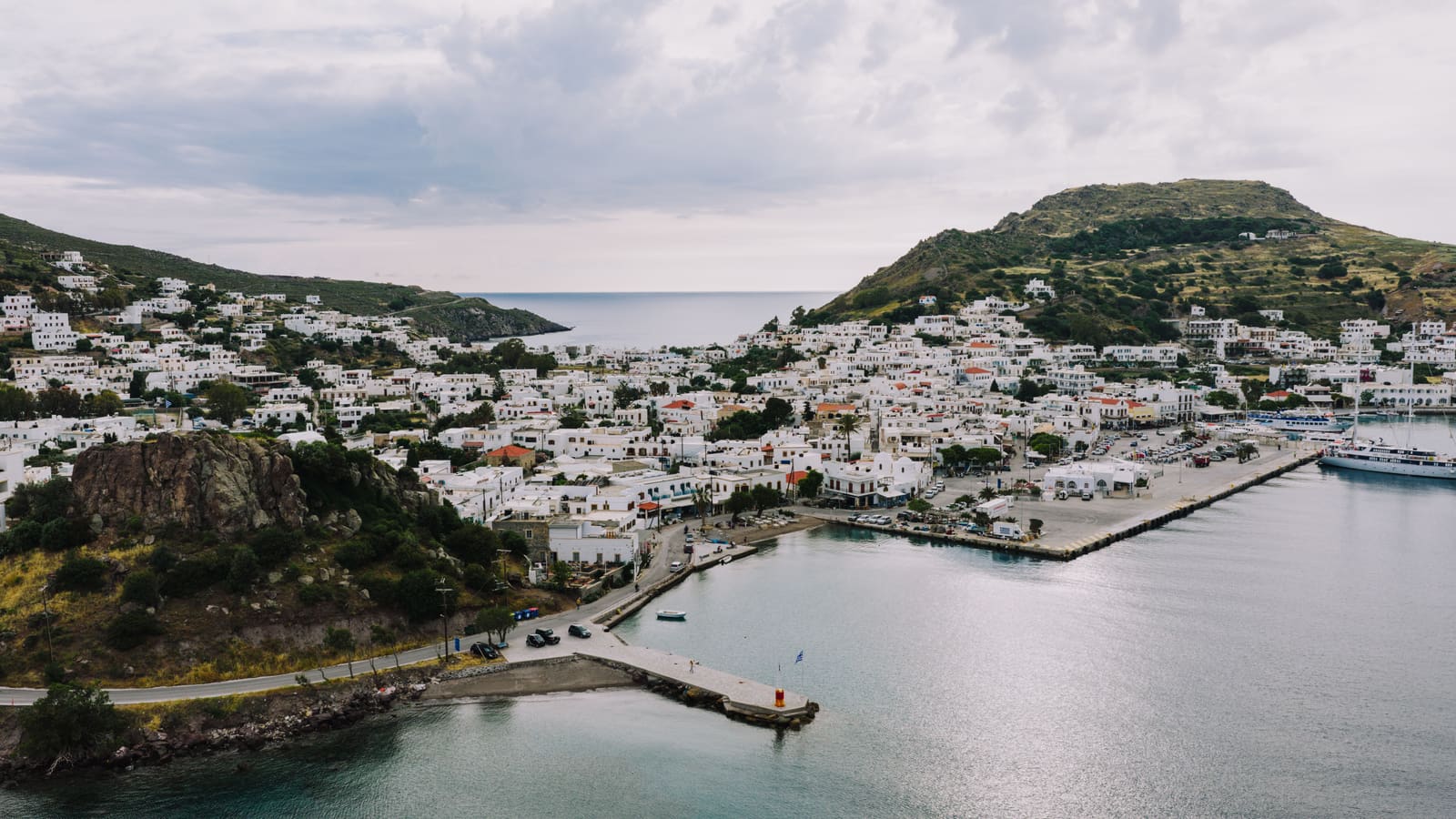
This enforced slowness is not an inconvenience so much as the point. The main settlement, Hydra Town, rises in tiers of stone houses around a horseshoe harbour where fishing boats and private yachts share space. Narrow cobbled lanes climb into the hills behind, too steep and winding for anything but donkeys and foot traffic.
The absence of cars means the usual soundtrack of a Mediterranean resort, the hum of scooters and idling engines, is replaced by footsteps, conversation and the occasional clatter of hooves on stone. For travellers worn out by the logistics of modern tourism, the island offers a version of Greece that feels both simpler and more deliberate.
Swimming from Rocks, Not Sand
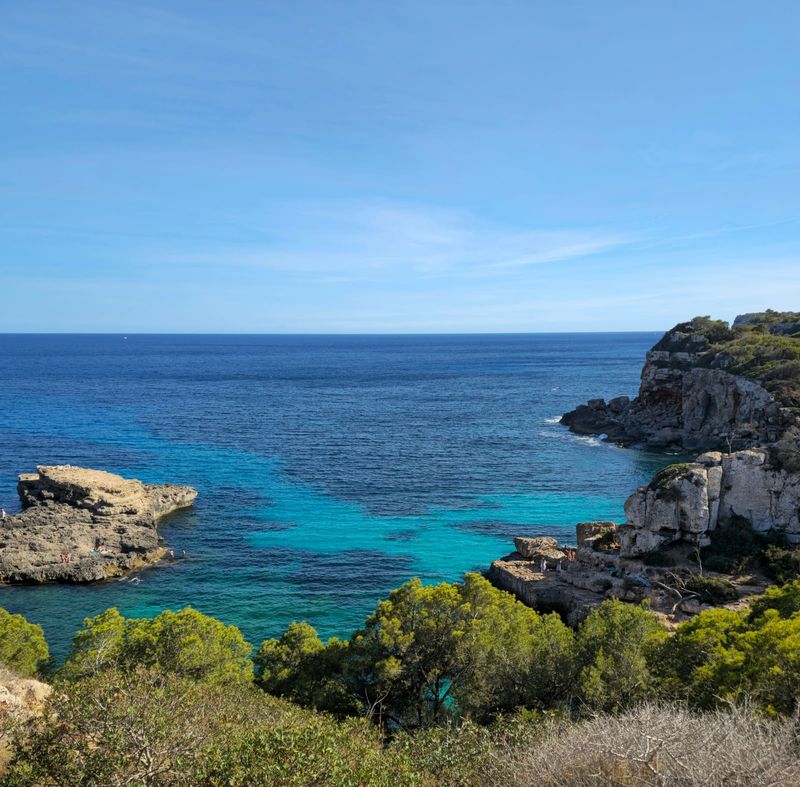
Hydra is not a beach destination in the conventional sense. The coastline is mostly rocky, with swimming spots that involve clambering down to the water rather than strolling across sand. Spilia, just outside Hydra Town, is popular for diving straight from flat rocks into clear Aegean water.
The villages of Kamini and Vlychos, both within walking distance of the main port, offer calmer swimming areas and a handful of tavernas by the water. More isolated coves are accessible by water taxi, a common mode of transport for those who prefer not to hike.
The lack of long sandy beaches has likely helped keep visitor numbers lower than on islands with airport access and postcard-perfect shorelines. That scarcity is now part of the appeal.
Context: A Shift Towards Quieter Islands
The survey result arrives at a time when overtourism has become a routine concern across southern Europe. Santorini and Mykonos, Greece's two most famous islands, have both faced criticism for overcrowding during peak summer months, with local infrastructure strained by cruise ship arrivals and short-term rental proliferation.
Hydra's model, whether by design or accident, offers an alternative. The ban on cars dates back decades and is rigorously enforced. The lack of an airport limits the volume of day-trippers and keeps the island off the itineraries of many package-tour operators.
The result is a destination that still functions, in large part, for the people who live there year-round. Fishing and small-scale tourism coexist without one overwhelming the other, and the rhythm of daily life remains visible to visitors rather than hidden behind resort walls.
What This Means for Travellers
For those planning trips to Greece, Hydra's recognition suggests that the country's appeal extends well beyond its most photographed spots. The island is accessible by ferry from Piraeus, the port of Athens, with journey times of around 90 minutes by high-speed catamaran or two hours by conventional ferry.
Accommodation on Hydra tends towards smaller guesthouses and boutique hotels rather than large resorts, and prices reflect the island's growing reputation. Visiting outside July and August offers cooler temperatures for walking and lower rates, though some services reduce hours in the off-season.
The island's car-free status means packing light is advisable. Luggage must be wheeled or carried from the ferry to your accommodation, often up uneven stone steps. It is a small inconvenience that doubles as a useful filter, ensuring that visitors arrive with at least some willingness to adapt to the island's pace rather than expecting it to adapt to theirs.