Ash Cloud Forces Major Disruption
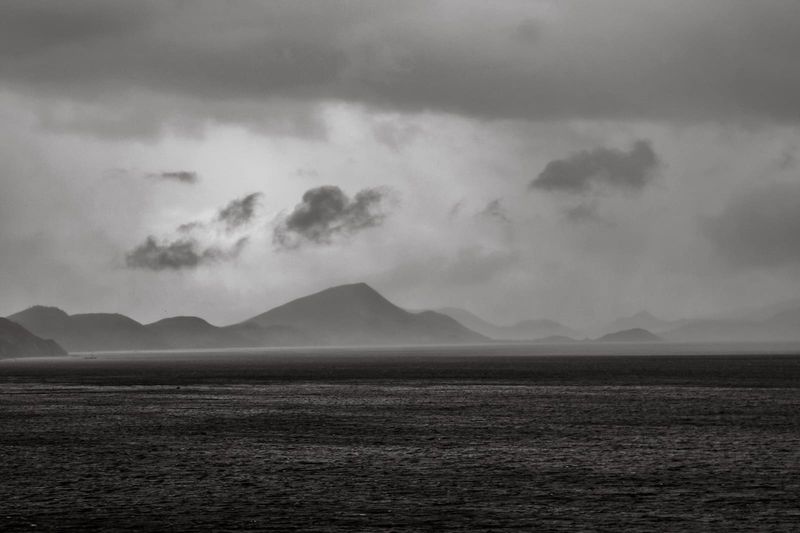
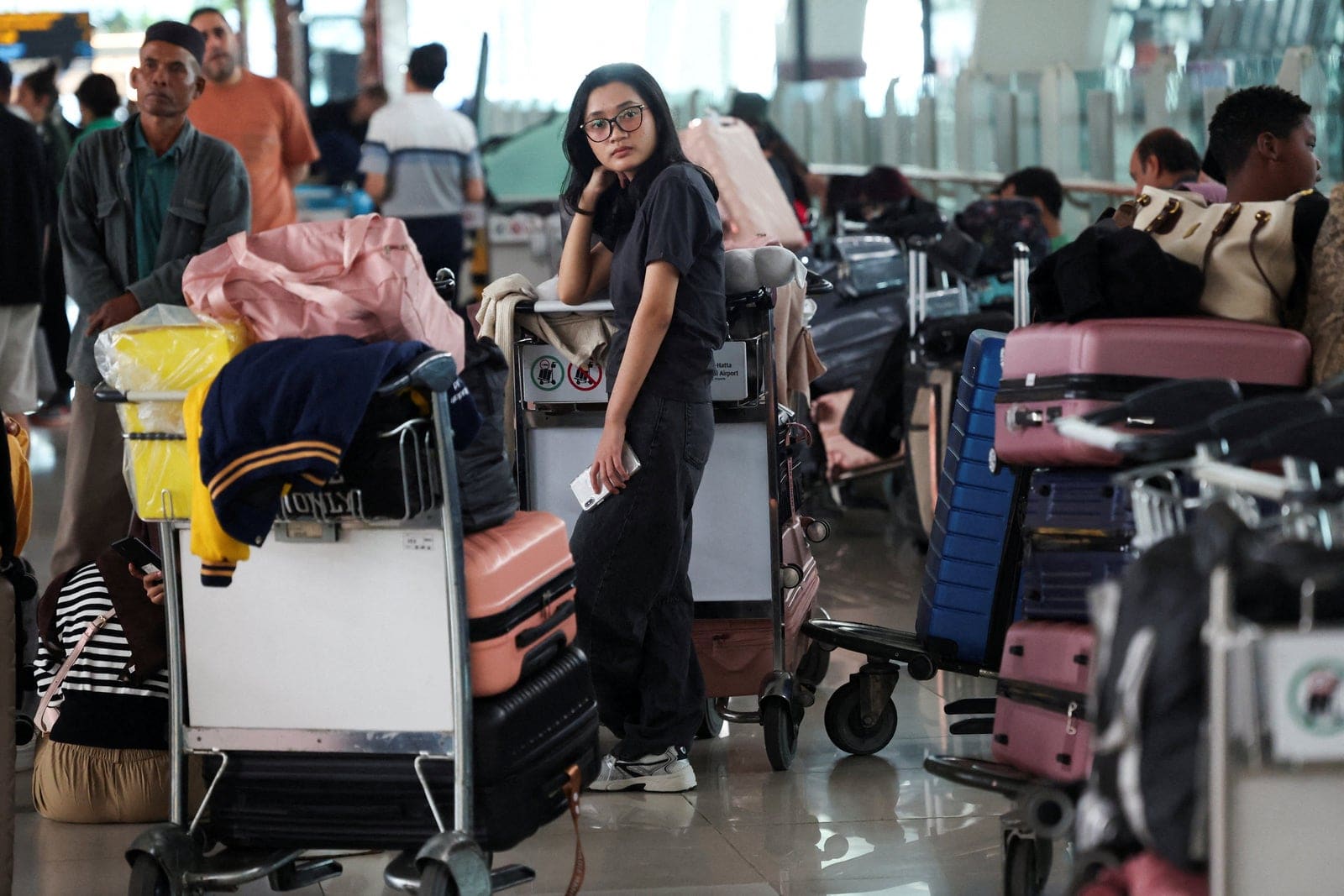
More than 270,000 passengers found themselves stranded last week when Mount Anak Krakatau erupted, sending volcanic ash as high as 15,000 metres into the sky. The eruption, which began late on 5 September, forced Indonesia's transport ministry to temporarily close eight airports across the archipelago, including Soekarno-Hatta and Halim airports serving the capital Jakarta.
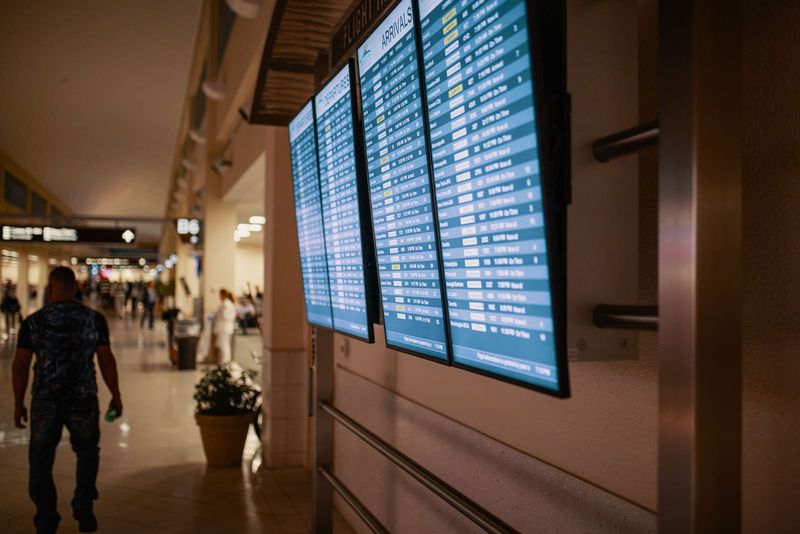
Over 2,000 flights were delayed, with approximately 963 of those involving Jakarta's main international gateway. Passengers on the Jakarta-Bali route bore the brunt of the disruption, many discovering their flights were grounded only after reaching departure gates. Airlines including Garuda Indonesia, Indonesia AirAsia, TransNusa, Citilink and Pelita Air cancelled services on safety grounds.
Both Jakarta airports have since reopened, though delays and cancellations continue as operators work through the backlog. Indonesia's disaster mitigation agency has confirmed there is no immediate tsunami risk from the volcano, which sits roughly 150 kilometres from Jakarta in the Sunda Strait between Java and Sumatra.
Five Volcanoes on High Alert
Anak Krakatau has been at alert level 3, the second-highest warning tier, since 2 July. Four other Indonesian volcanoes currently sit at the same level: Mount Semeru in East Java, Merapi, Lewotobi Laki-laki and Sinabung. The concentration of active volcanoes reflects Indonesia's position on the Pacific Ring of Fire, a zone where tectonic plate boundaries generate frequent seismic and volcanic activity.
The UK Foreign Office maintains travel advisories against visiting areas within specific distances of seven Indonesian volcanoes. The exclusion zones range from three kilometres around Mount Marapi in West Sumatra to seven kilometres from the craters of Mount Lewotobi Laki-Laki, Mount Ruang and Mount Ibu. For Mount Semeru, the advisory extends to within 500 metres of the Besuk Kobokan riverbanks for 13 kilometres from the crater, reflecting the risk of volcanic debris flows.
These advisories apply to the immediate volcano zones, not to Indonesia as a whole. Most tourist areas, including Bali's main resorts and Jakarta's city centre, remain outside restricted zones, though volcanic ash can affect air quality and flight operations across much wider areas.
What Travellers Need to Know
Anyone with flights booked through Indonesian airports should check directly with their airline for current status and rebooking options. Volcanic ash disruption falls into a grey area for passenger rights. If an airline cancels a flight due to ash clouds, passengers are typically entitled to rebooking or refunds, as the cancellation originates with the carrier's operational decision. If airports reopen but individual passengers choose not to travel due to safety concerns, standard cancellation fees usually apply.
Travel insurance coverage depends on policy wording. Some policies include natural disaster provisions that cover costs when an event physically prevents reaching a destination. Volcanic eruptions can trigger these clauses, but only if the disruption is ongoing at the time of travel and directly affects the policyholder's route or destination. Cancelling out of general concern, when flights are operating, typically isn't covered.
Tour operators and package holiday providers have more flexibility to offer refunds or changes when Foreign Office advice explicitly warns against travel to a booked destination. The current advisories target specific volcano exclusion zones rather than entire provinces, so whether a package qualifies for penalty-free cancellation depends on the exact itinerary.
The situation underscores a recurring challenge for Indonesia's aviation and tourism sectors. The country's 127 active volcanoes generate periodic disruption, yet predicting eruptions with precision remains difficult. Alert levels indicate heightened activity but don't guarantee an eruption, nor do they rule out sudden escalation at volcanoes previously considered dormant.
For now, the immediate crisis has passed. Airports are processing delayed passengers, and ash dispersal has improved visibility. But with five volcanoes on elevated alert, the potential for further disruption lingers. Travellers heading to Indonesia in the coming months would be wise to build buffer time into connections and confirm their travel insurance covers natural events, not just the usual missed flights and lost luggage.