A Changed Atmosphere
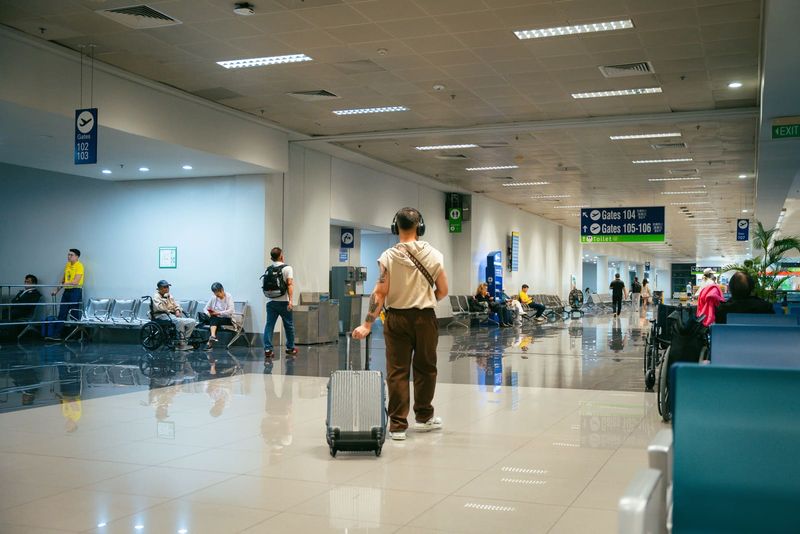
Visitors arriving in Istanbul this autumn have encountered a noticeably different environment than in previous years. Recent enforcement actions targeting LGBTQ+ establishments have introduced a layer of uncertainty to neighbourhoods that have historically served as social hubs for both locals and international travellers.
The shift has been particularly evident during events that typically draw visitors from across Europe and beyond. Where crowds once gathered without hesitation, there is now a more cautious energy, a recalibration of what feels safe and what does not.
For travellers who have returned to the city repeatedly over the years, the contrast is stark. The familiarity of certain streets and venues remains, but the ease with which people moved through them has shifted.
What Travellers Are Finding
Establishments that once operated with relative openness now face unpredictable conditions. Some venues have adjusted their visibility, whilst others continue to operate much as before, albeit with a heightened awareness of their surroundings.
The experience of visiting these spaces has become more layered. Conversations with staff and patrons reveal a community weighing risk against the desire to maintain the social fabric that has developed over decades. The question is not whether to continue, but how to do so in a climate that feels less predictable.
Travellers accustomed to Istanbul's reputation as a city where diverse communities coexist are finding that reputation tested. The enforcement actions have not eliminated these spaces, but they have changed the calculus for those who frequent them.
The Broader Context
Istanbul has long occupied a complicated position, both geographically and culturally. It sits at the intersection of continents and ideologies, a place where different ways of life have historically found room to exist, even if not always comfortably.
The recent actions are not occurring in isolation. They reflect broader tensions within Turkish society about visibility, public space, and who gets to occupy it. For visitors, this creates a more complex travel experience, one that requires greater awareness of local dynamics.
The city's LGBTQ+ community has navigated shifting political climates before. What distinguishes the current moment is the directness of the enforcement and the uncertainty it introduces into spaces that had achieved a degree of stability.
How the Community Responds
Resilience is not a new posture for Istanbul's LGBTQ+ community. The response to recent pressures has been characterised by adaptation rather than retreat. Social networks have become more important, with information shared through trusted channels about which venues are operating and under what conditions.
For international visitors, particularly those who have built relationships in the city over time, these networks provide a way to navigate the changed landscape. The experience is less spontaneous than it once was, requiring more planning and local knowledge.
The community's determination to maintain its presence is evident. Events continue, though sometimes in different formats or locations. The underlying message is one of persistence, a refusal to cede ground entirely.
Implications for Travellers
The situation raises practical questions for those considering a visit. The city remains open to tourists, and its cultural attractions continue to draw millions annually. However, travellers seeking out LGBTQ+ spaces should be prepared for an environment that feels less secure than in the past.
Local advice is more valuable than ever. Guidebooks and online resources may not reflect current realities, as the situation can shift quickly. Connecting with people on the ground, whether through social media or trusted contacts, provides a more accurate picture.
The experience also prompts broader reflection about travel choices. Visiting Istanbul now is an act that carries different weight than it did a few years ago. For some, it represents solidarity with a community under pressure. For others, it raises questions about personal safety and comfort.
What Lies Ahead
Predicting how the situation will develop is difficult. Enforcement patterns can shift based on political priorities, public attention, and international pressure. What seems clear is that the community itself is not disappearing, even if its visibility fluctuates.
For long-term visitors, the city they return to is recognisable but altered. The landmarks remain, the food is still extraordinary, and the energy of the streets persists. Yet there is an unmistakable sense that something has changed in the social fabric, a tightening that affects how people move and gather.
The question for travellers is how to engage with a destination in flux. Istanbul has always demanded a degree of cultural navigation, an ability to read complex social cues. That requirement has simply become more pronounced, the stakes higher for those whose presence in certain spaces can feel more precarious.
The city's LGBTQ+ venues have been part of its landscape for decades, woven into neighbourhoods and contributing to the urban texture. Whether they can maintain that presence under current conditions will depend on factors both local and international, political and social. For now, they continue, and so do the visitors who seek them out, even as the ground beneath them feels less certain.