A Network Years in the Making
Italy has opened a sprawling hiking network that traces the life and legacy of Saint Francis of Assisi across six regions. The Cammino di Francesco, or Way of Francis, stretches 1,546 kilometers through Abruzzo, Emilia-Romagna, Lazio, Marche, Tuscany, and Umbria, weaving together existing trails that pilgrims have walked for centuries.
The network was formally inaugurated in late July by tourism minister Gianmarco Mazzi, timed to coincide with the 800th anniversary of the saint's death. The Pope visited Assisi in early August as part of the commemorations. The project itself represents years of coordination by the Vie e Cammini di Francesco Association, which worked across regional boundaries to stitch together pathways that had long existed separately.
One of the key routes runs from Rimini to La Verna, a mountain sanctuary where Francis is believed to have received the stigmata, becoming the first person in Christian tradition to bear the wounds of Christ's crucifixion. Other trails pass through medieval villages and rural landscapes in Tuscany and Umbria, regions often called Italy's green heart for their rolling hills and relative lack of development.
What Walkers Can Expect
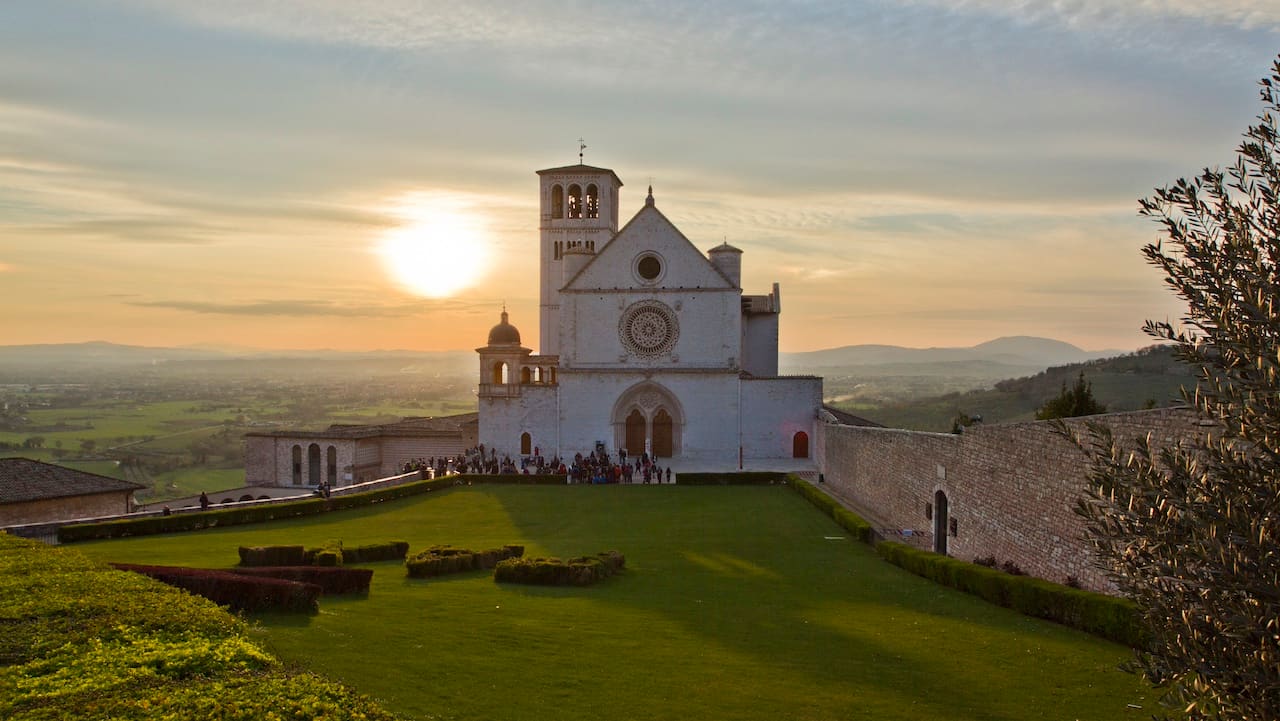
The network is designed to accommodate different levels of commitment. All routes eventually converge on Assisi, the town where Francis was born and buried. Walkers can apply for a pilgrim's passport online, which can be stamped at various points along the journey. The passport is available for both people and pets, a nod to Francis's well-documented affection for animals.
A completion certificate is awarded to those who walk the final 100 kilometers to the saint's tomb on foot, or the last 200 kilometers by bicycle. The routes have been mapped and approved by the national anniversary committee, and detailed itineraries are available on Italia.it, Italy's official tourism platform. The site includes planning tools and suggested stages for multi-day treks.
The terrain varies widely. Some sections cross mountainous areas, while others follow gentler paths through vineyard country and farmland. The routes are not newly built; they repurpose ancient trails that have been used for centuries, some by pilgrims, others by traders and travelers.
Culture as Infrastructure
At the inauguration, Pietro Cannella, Italy's Undersecretary of Culture, framed the network as more than a tourism project. He described Francis as embodying values central to Italian identity: care for creation, solidarity with the vulnerable, dialogue across difference, and a commitment to peace. The network, he said, was meant to unite places, institutions, and people around shared heritage, turning culture into a tool for national cohesion and international exchange.
The timing is strategic. Cultural attractions have become the leading reason tourists visit Italy over the past decade, overtaking food, beaches, and other draws. The government has been investing in making cultural sites more accessible and connected, recognizing that heritage can be both a draw for visitors and a source of domestic pride.
The emphasis on pilgrimage routes also taps into a broader trend. Long-distance walking has grown in popularity across Europe, driven in part by people seeking slower, more immersive travel experiences. Spain's Camino de Santiago has long been the continent's most famous pilgrimage route, but Italy has several of its own, including the Via Francigena, which runs from Canterbury to Rome.
A Different Kind of Journey
The Francis network differs from some other pilgrimage routes in its flexibility. Rather than a single path, it offers multiple options that branch and reconnect. This allows walkers to choose routes based on their interests, fitness level, or available time. Some may want to focus on the spiritual dimension, stopping at chapels and monasteries along the way. Others may be more interested in the landscape or the chance to see lesser-known towns.
The inclusion of pets in the pilgrim passport program is unusual but fitting. Francis is perhaps best known for his sermon to the birds and his belief that all creatures are part of God's creation. The passport system itself is borrowed from other pilgrimage routes, serving as both a keepsake and a way to track progress.
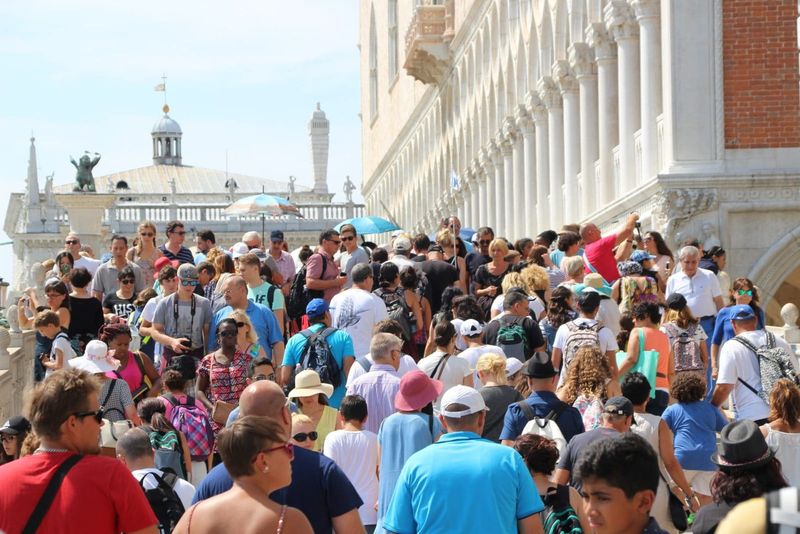
Italy's promotion of the network as the country's premier walking experience reflects a broader effort to diversify tourism. The country has long struggled with overtourism in cities like Venice, Florence, and Rome, while rural areas have seen populations decline. Projects like the Francis network aim to spread visitors more evenly, bringing economic activity to smaller towns and less-visited regions.
Whether the network will achieve that goal remains to be seen. Much depends on how well the routes are maintained, how clearly they are marked, and whether infrastructure like lodging and food services can keep pace with demand. But the opening of the network does offer something concrete: a way to walk through parts of Italy that many travelers overlook, following paths that have been worn smooth by centuries of footsteps.