A New Rhythm for Rome
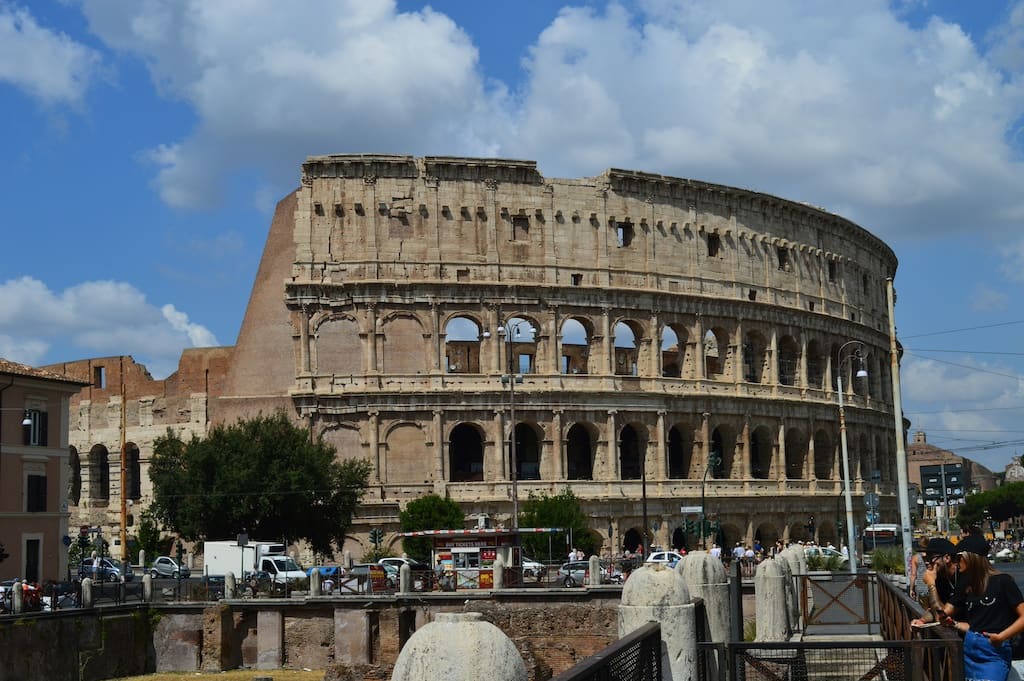
The Colosseum, which draws close to 15 million people each year, will now stay open until 11:30 pm on Friday and Saturday nights throughout August. That adds four hours to the usual schedule, letting visitors walk through the ancient arena after the sun goes down and temperatures drop. Across the city, the Pantheon follows a similar pattern, extending access until 11 pm every night except Thursday. Last entry is half an hour before closing.
In Milan, the Castello Sforzesco is opening two hours later each day, until 7:30 pm, with half-price admission during the extended window. Visitors can see the Museum of Ancient Art, the Michelangelo Pietà Rondanini Museum, and a free drawing exhibition without paying full fare.
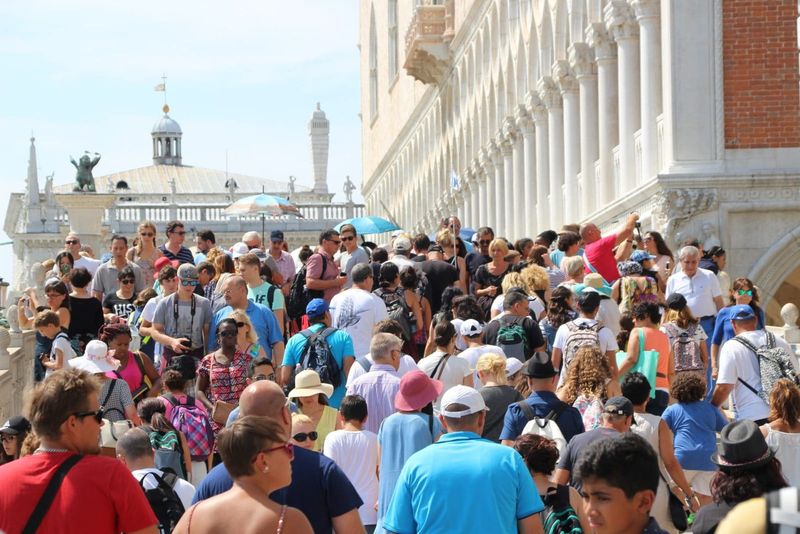
Italy's Ministry of Cultural Heritage and Activities and Tourism described the changes as a chance to experience iconic sites in a more atmospheric setting, when the heat has lifted and crowds have thinned.
Why This Matters Now
The extended hours arrive during a summer that has pushed temperatures across Italy to dangerous levels. Red alert health warnings have been issued for 27 major cities, including Rome, Milan, Naples, and Venice. These are not fringe destinations; they are the backbone of Italy's tourism infrastructure.
The decision also follows a tragedy. In August 2025, a 56-year-old tour guide died while working at the Colosseum. The incident prompted Italy's Certified Tour Guide Association to call for adjusted schedules, noting that guiding tours at the Roman Forum between 10 am and 4:30 pm had become unbearable. The new hours go beyond the 8:15 pm closing time the association proposed, though they stop short of earlier morning openings.
The Limits of Longer Days
Stretching the day offers more flexibility for tourists, but it does not solve every problem. Tour guides, many of whom work freelance with little financial cushion, may feel pressured to take on longer shifts to make ends meet. The extended hours could, in some cases, make their working conditions worse rather than better, especially if pension and wage structures remain unchanged.
Still, the move reflects a growing recognition that the old model, built around midday touring, is no longer viable in a warming climate. Cultural sites have to adapt or risk turning away visitors who cannot safely stand in open-air ruins during peak heat.
Culture Drives Travel to Italy
The timing of these changes aligns with a broader shift in why people visit Italy. According to the National Institute for Tourism Research, culture has moved from seventh to first place as the primary motivation for travel to the country over the past decade. That shift has not gone unnoticed by officials.
Tourism Minister Gianmarco Mazzi said the government is prioritizing cultural tourism and examining how to grow a sector that already generates €58 billion in visitor spending annually. He noted that the extended hours were developed in consultation with various stakeholders, though he did not specify which groups were involved or what compromises were made.
What This Means for Visitors
For travelers planning trips to Italy this summer, the late-night openings offer a practical workaround. Visiting the Colosseum at 10 pm on a Friday is not just a novelty; it is a safer, more comfortable way to see a site that would be sweltering at midday. The same logic applies to the Pantheon and the Castello Sforzesco.
But the changes also point to a larger question: how will cultural tourism adapt as extreme heat becomes more frequent? Italy is not alone in facing this challenge. Other southern European destinations are likely watching to see whether extended hours work, both for visitors and for the people who make tourism possible.
A Temporary Fix or a Permanent Shift?
For now, the late-night openings are framed as a summer experiment, a way to manage the immediate crisis of unbearable daytime heat. But if temperatures continue to rise, as climate projections suggest they will, these adjustments may become permanent features of the cultural tourism landscape.
That would require more than just changing the hours on a sign. It would mean rethinking staffing, security, lighting, and the entire infrastructure that supports mass tourism at historic sites. It would also mean grappling with the financial and social realities facing the people who work in this sector, many of whom are already stretched thin.
For visitors, the ability to explore Rome or Milan after dark is a welcome development. For the industry, it is a signal that the old ways of doing things are no longer enough.