The New Refund Process
Japan is changing how international visitors reclaim consumption tax on their shopping. Starting 1 November 2026, travelers will pay the full tax-inclusive price at the register, then claim refunds at the airport after customs confirms the goods are leaving the country.
The shift reverses the current arrangement, where eligible shoppers avoid paying Japan's consumption tax upfront at participating stores. Under the incoming system, the refund comes later, handled either by the shop itself or a designated refund provider once customs stamps the paperwork.
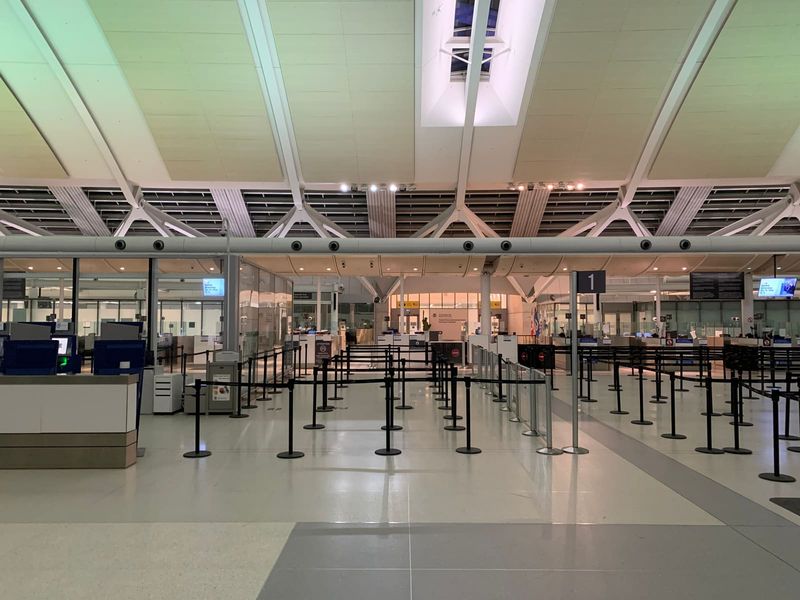
Japan's National Tax Agency announced the change earlier this year. Visitors will have up to 90 days from purchase to complete the customs procedure, up from the current 30-day window. But the practical implication is clear: travelers need their tax-free items in hand when they reach customs, before checking any luggage that contains those purchases.
That means cosmetics, electronics, fashion, and other goods bought under the tax-free scheme must remain accessible until the airport procedure is done. If customs cannot verify the goods are departing Japan, the refund will not be issued.
Why the Change Matters
Japan recorded 3.44 million international arrivals in July 2026, the highest July total on record, according to data from the Japan National Tourism Organization. Seventeen markets, including Malaysia, set their own July records. With visitor volumes at those levels, even small procedural changes ripple across millions of trips.
The new system is designed to tighten oversight. By requiring customs confirmation at departure rather than relying on shop-level checks, authorities gain a clearer view of what actually leaves the country. For travelers, the trade-off is administrative: more time needed at the airport, more documents to organize, and less certainty about refund timing until the final step is complete.
The change also removes the requirement for consumable goods such as food, drinks, and cosmetics to be sealed in special packaging. Travelers can now carry these items more easily, though they still cannot consume or use them in Japan if they want the refund.
Departure Fees Have Already Increased
Separately, Japan raised its International Tourist Tax on 1 July 2026. The fee climbed from 1,000 yen to 3,000 yen per departure, roughly $20 at current exchange rates. The tax applies to nearly all departures, regardless of nationality or travel purpose, and is typically bundled into ticket prices by airlines and ferry operators.
A transitional rule applies to transport contracts signed before 1 July, which remain subject to the old 1,000-yen rate. For most travelers booking trips now, the higher fee is already baked into airfare.
The two changes are unrelated in policy terms but converge in practice. Together, they mean the final hours of a Japan trip now involve both a higher fixed cost and a new administrative step for anyone who shopped tax-free.
What Travelers Should Do
Timing becomes more important. Travelers should plan to reach the airport earlier than usual if they have tax-free purchases to process. Customs queues may lengthen as the new system beds in, especially during peak travel periods.
Organization matters, too. Keep receipts, purchase records, and the goods themselves in a single, easy-to-access bag or carry-on. If items are buried in checked luggage, retrieving them for customs inspection becomes a logistical headache.
For consumables such as snacks, skincare, or beverages, the removal of sealed-packaging rules makes handling simpler, but the no-use rule still applies. Travelers who open a bottle of sake or a box of sweets before departure forfeit the refund.
The 90-day export window offers some flexibility for travelers making multiple stops or side trips within Japan, but the clock starts ticking at the register. Missing the customs step means losing the refund entirely, regardless of how much time remains.
A System Under Pressure
Japan's tourism infrastructure is adjusting to sustained high demand. The country has been a top-tier destination for years, but the pace of growth has accelerated. Monthly arrival records are now routine, and the volume is testing everything from public transport to hotel supply to, now, tax administration.
The shift to airport-based refunds reflects that pressure. It moves the compliance burden downstream, closer to departure, where authorities can verify claims more directly. For travelers, it adds friction to a process that used to be seamless at the point of sale.
Whether the new system proves smoother or more cumbersome will depend on how quickly customs operations scale and how clearly shops communicate the change. For now, the message is straightforward: if you are shopping tax-free in Japan after November, the refund is not final until you clear customs on the way out.