A New Model for Australian Skies
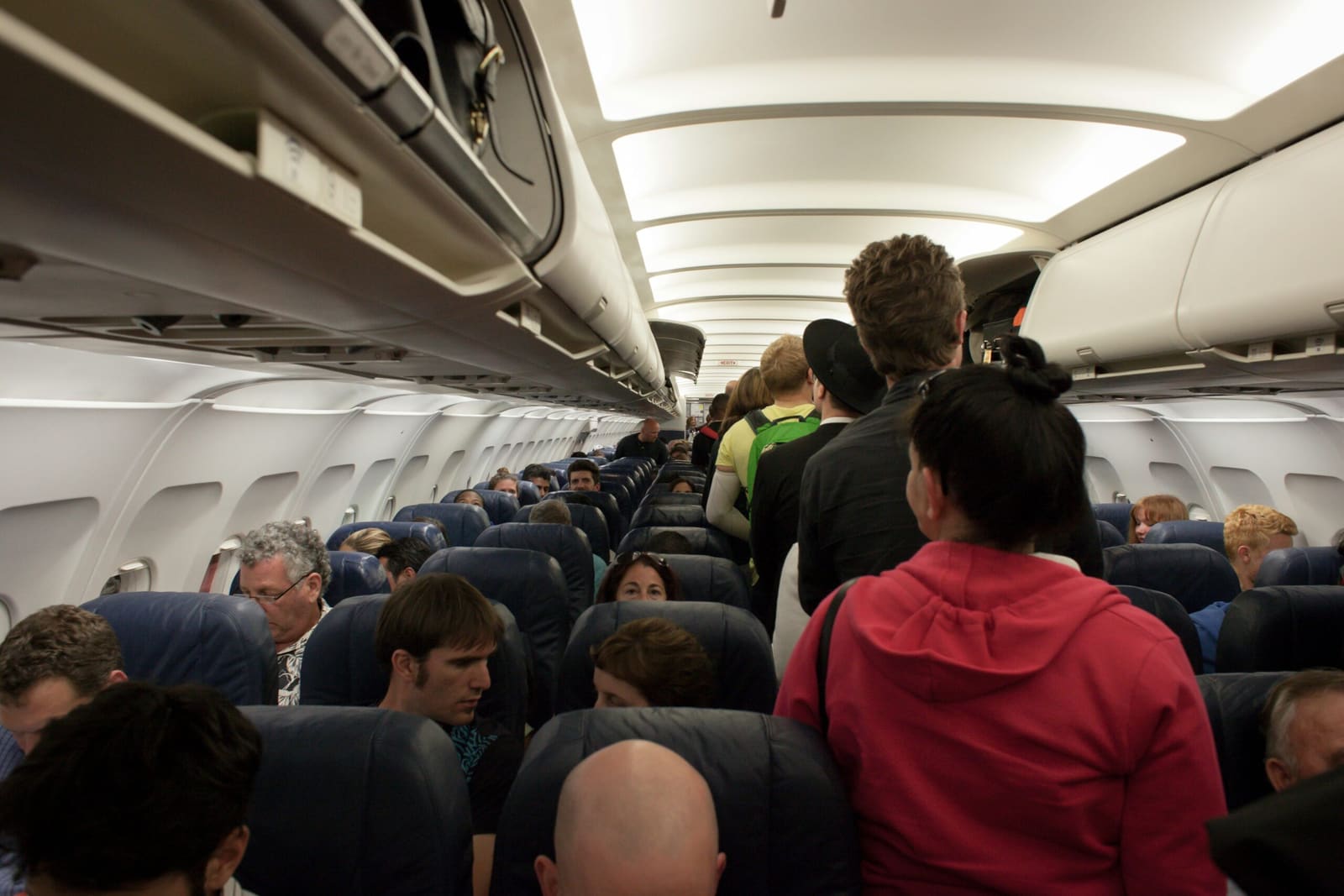
Starting in February 2027, Jetstar passengers will pay extra if they want to use overhead compartments for their luggage. The Australian budget carrier announced that only items small enough to fit under the seat, such as a handbag, laptop bag, or small backpack, will be included in the base fare. Anything destined for the overhead bin will cost at least AUD 25 (approximately €15) each way, with longer international routes like Cairns to Tokyo reaching AUD 52, according to Jetstar.
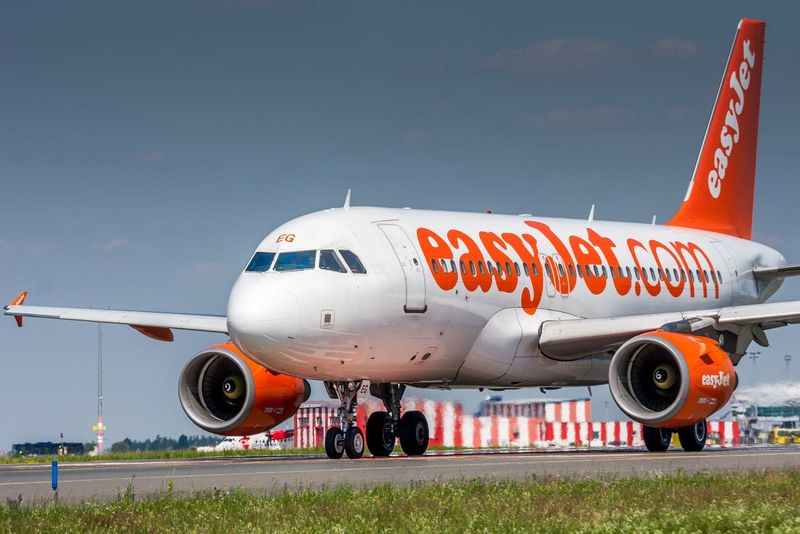
The change positions Jetstar as the first carrier in Australia or New Zealand to charge for overhead locker access, a practice already standard among ultra-low-cost airlines in Europe and the United States. While regional competitors have introduced fees for checked bags, seat selection, and onboard meals, none have yet made passengers pay for cabin luggage storage above their heads.
Higher Weight Limit, Higher Price
The overhead bin fee comes with a trade-off. Jetstar is raising its carry-on weight allowance from 7 kilograms to 10 kilograms, a 43 percent increase. Passengers who opt for what the airline calls "Priority Carry-on" will be able to bring heavier bags into the cabin than they can today, provided they pay the fee and meet size requirements.
Jetstar CEO Stephanie Tully framed the shift as an operational improvement. She said the new structure would reduce congestion at boarding gates by eliminating the need to weigh bags there, a common pain point when overhead space runs out. The airline expects smoother boarding and fewer delays as a result.
Pushback and Context
The announcement has drawn criticism. Senator Bridget McKenzie called the fee a cash grab, reflecting broader frustration among travelers unaccustomed to stripped-down pricing. Sharon Petersen, CEO of AirlineRatings.com, noted that Australian passengers have historically enjoyed full-service options and may resist the transition. "Australian travelers have got such high expectations," Petersen said. "For such a long time they lived in a bubble of full-service options only."
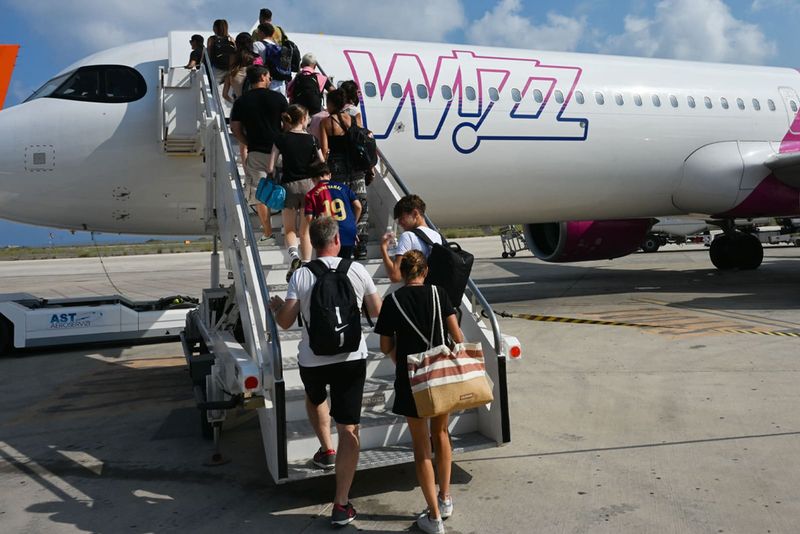
Petersen also raised questions about value. She pointed out that Jetstar's base fares tend to sit higher than those of European ultra-low-cost carriers like Ryanair or Wizz Air, partly because of Australia's higher wages, taxes, and operating costs. In that environment, adding a fee for something passengers have long taken for granted could test loyalty.
What It Means for Travelers
The change reflects a broader global trend toward unbundling. Airlines in competitive markets have spent the last two decades breaking down ticket prices into smaller components, allowing them to advertise lower base fares while monetizing nearly every aspect of the journey. Jetstar's move brings Australia closer to that model.
For passengers, the practical impact depends on packing habits. Those who travel with only a small personal item will see no change. Those who routinely use the overhead bin will face a new line item at checkout. The weight increase may appeal to travelers who previously struggled to stay under 7 kilograms, but it requires paying for the privilege.
The shift also raises questions about how competitors will respond. If Jetstar's experiment proves profitable without triggering a significant loss of market share, other regional carriers may follow. If passengers rebel or shift bookings elsewhere, the model may remain isolated.
Jetstar has made it clear that the new rules are designed to improve efficiency, not just revenue. Whether passengers see it that way will become evident once the policy takes effect early next year.