A Tale of Two Markets
Jordan's tourism sector is posting growth on paper, yet the reality on the ground reveals a country serving two entirely different visitor bases. Total tourism revenue climbed 4.9 per cent to $6.35 billion across the first nine months of this year, the Central Bank of Jordan reported. That headline figure, however, conceals a profound shift in who is travelling to the kingdom and where they are going once they arrive.
Arab visitors increased their spending by 18.8 per cent, whilst Asian travellers lifted their contribution by 12.3 per cent. At the same time, income from European tourists dropped 23.7 per cent and from United States visitors by 16.3 per cent. The numbers sketch a picture of substitution rather than expansion: one market is replacing another, not adding to it.
The divergence matters because these two groups behave differently. Arab travellers, many arriving from neighbouring Gulf states, tend to favour Amman for short city breaks, shopping, and dining. Western tourists, by contrast, have historically formed the backbone of demand for Jordan's archaeological sites and multi-day heritage tours. When one group swaps out for the other, the benefits do not spread evenly across the country.
Conflict Spillover and Travel Warnings
Jordan has found itself entangled in the wider U.S.-Iran conflict, both as a neighbour to the fighting and as a host to American military installations. Iranian forces have launched retaliatory strikes at bases inside Jordan following U.S. operations. The Jordanian army disclosed in April that 281 missiles and drones from Iran had been directed at targets within the country since the conflict began in late February.
Those strikes, even when they hit military rather than civilian infrastructure, have prompted Western governments to issue or maintain travel advisories. European and American foreign ministries typically counsel against non-essential travel to areas near conflict zones, and Jordan's proximity has been enough to trigger caution. The advisories do not ban travel outright, but they are sufficient to deter leisure bookings, particularly among families and older travellers who form a large share of the heritage tourism market.
Arab visitors, meanwhile, appear less swayed by the warnings. Geographical proximity, cultural familiarity, and a different risk calculus mean that travellers from Saudi Arabia, the United Arab Emirates, and other Gulf states continue to book trips to Amman. For many, the Jordanian capital lies within a short flight and represents a familiar urban environment rather than a distant adventure requiring weeks of planning.
Occupancy Rates Tell the Story
Hotel performance data from September illustrate the imbalance. Average occupancy across Jordan stood at 38 per cent, the Jordan Hotels Association reported. Amman recorded 59 per cent occupancy, a level that signals healthy demand and allows properties to maintain pricing power. The figure suggests that the capital's hotels are operating at levels close to what they might expect in a normal year, albeit with a different guest profile.
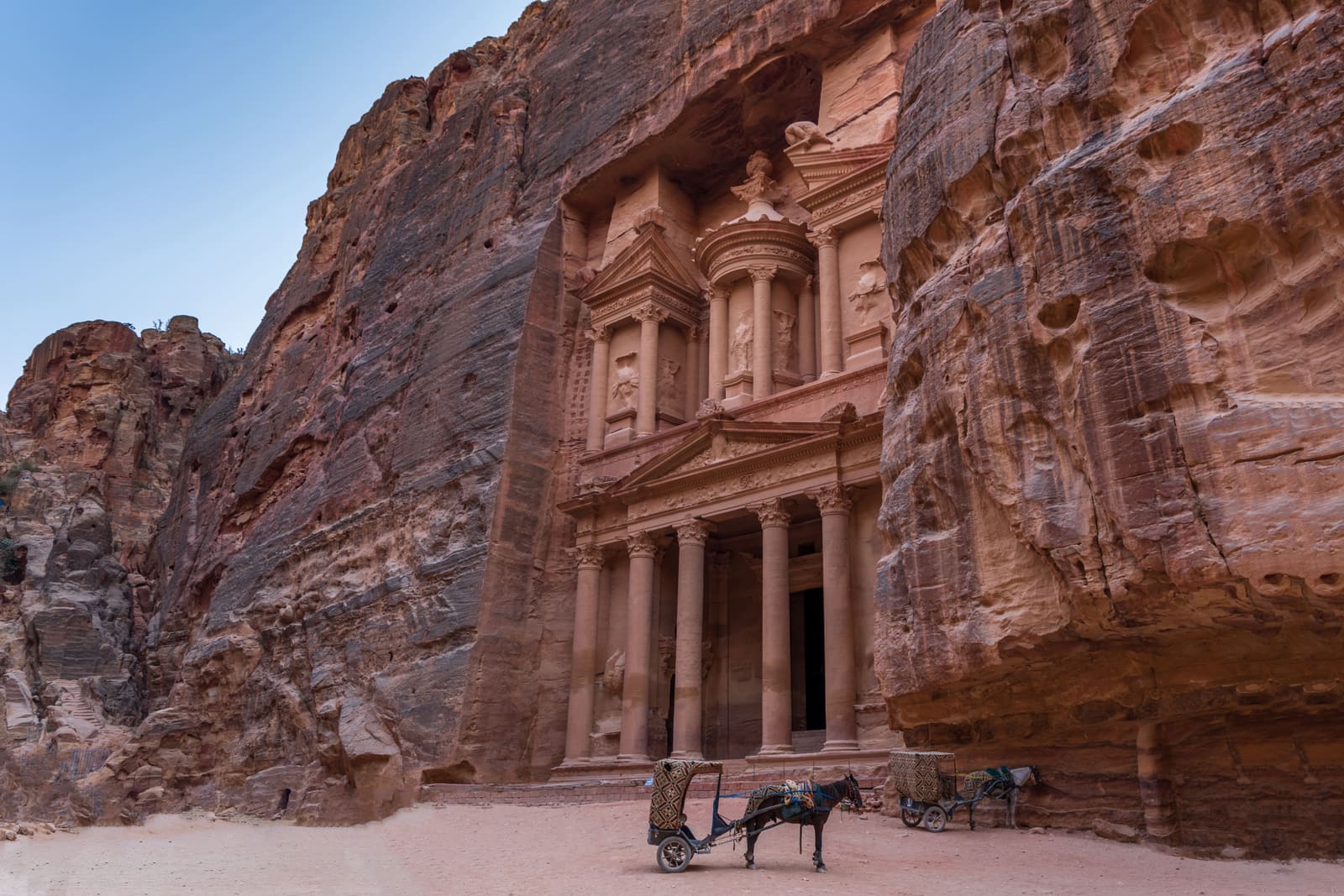
The contrast with other parts of the country is stark. Petra, the rose-red city carved into sandstone cliffs and arguably Jordan's most famous attraction, has long depended on Western tour groups and independent travellers from Europe and North America. Those visitors typically book multi-night packages that include guides, transport, and accommodation in nearby towns. When that segment disappears, the entire local economy feels the impact.
Other stops on the traditional tourist circuit face similar challenges. Wadi Rum, the desert valley popular with trekkers and film crews, and the Dead Sea resorts that cater to wellness tourists have all been built around the expectations and spending patterns of long-haul visitors. Arab tourists do visit these sites, but in smaller numbers and often as day trips from Amman rather than as the centrepiece of a longer itinerary.
What the Shift Means for Infrastructure and Employment
The uneven recovery creates practical problems for the sector. Hotels and tour operators in Petra and surrounding areas cannot easily pivot to serve a market that is not arriving. Staff are laid off or see their hours reduced, and investment in maintenance or upgrades stalls when revenue is uncertain. Amman's hotels, by contrast, may be hiring and refurbishing, creating a bifurcated labour market within a single industry.
The mismatch also affects how Jordan is perceived internationally. The country has spent decades marketing itself as a destination for history enthusiasts, adventure travellers, and cultural tourists. That brand was built on Petra, Jerash, and the desert landscapes, not on Amman's cafés and shopping districts. If the sites that underpin that brand remain quiet for an extended period, the risk is that Jordan slips down the consideration list for Western travellers even after security conditions improve.
There is also a revenue quality issue. Western tourists, particularly those booking heritage tours, tend to spend more per day and stay longer than short-break city visitors. A week-long guided tour through Petra, Wadi Rum, and the Dead Sea generates more income per visitor than a weekend in Amman. The shift in visitor origin, therefore, may require a higher volume of arrivals to achieve the same financial outcome, and volume growth has its own infrastructure and environmental costs.
Waiting for Advisories to Lift
The path forward depends heavily on factors outside Jordan's control. If the U.S.-Iran conflict de-escalates and Western governments begin to soften their travel advisories, European and American bookings could recover relatively quickly. Tour operators and airlines have the capacity; the question is whether travellers regain confidence.
Until that shift occurs, Jordan's tourism sector will continue to operate in two parallel modes: a bustling capital serving regional visitors and a quieter hinterland waiting for the long-haul market to return. The aggregate revenue figures may look stable, but the underlying geography of that income has changed in ways that matter for communities, employment, and the long-term health of the industry.
For now, Amman's hotels are doing the work of keeping national tourism numbers afloat, even as the ancient stones of Petra see far fewer footsteps than they were built to withstand.