A Historic Building Meets Music Culture
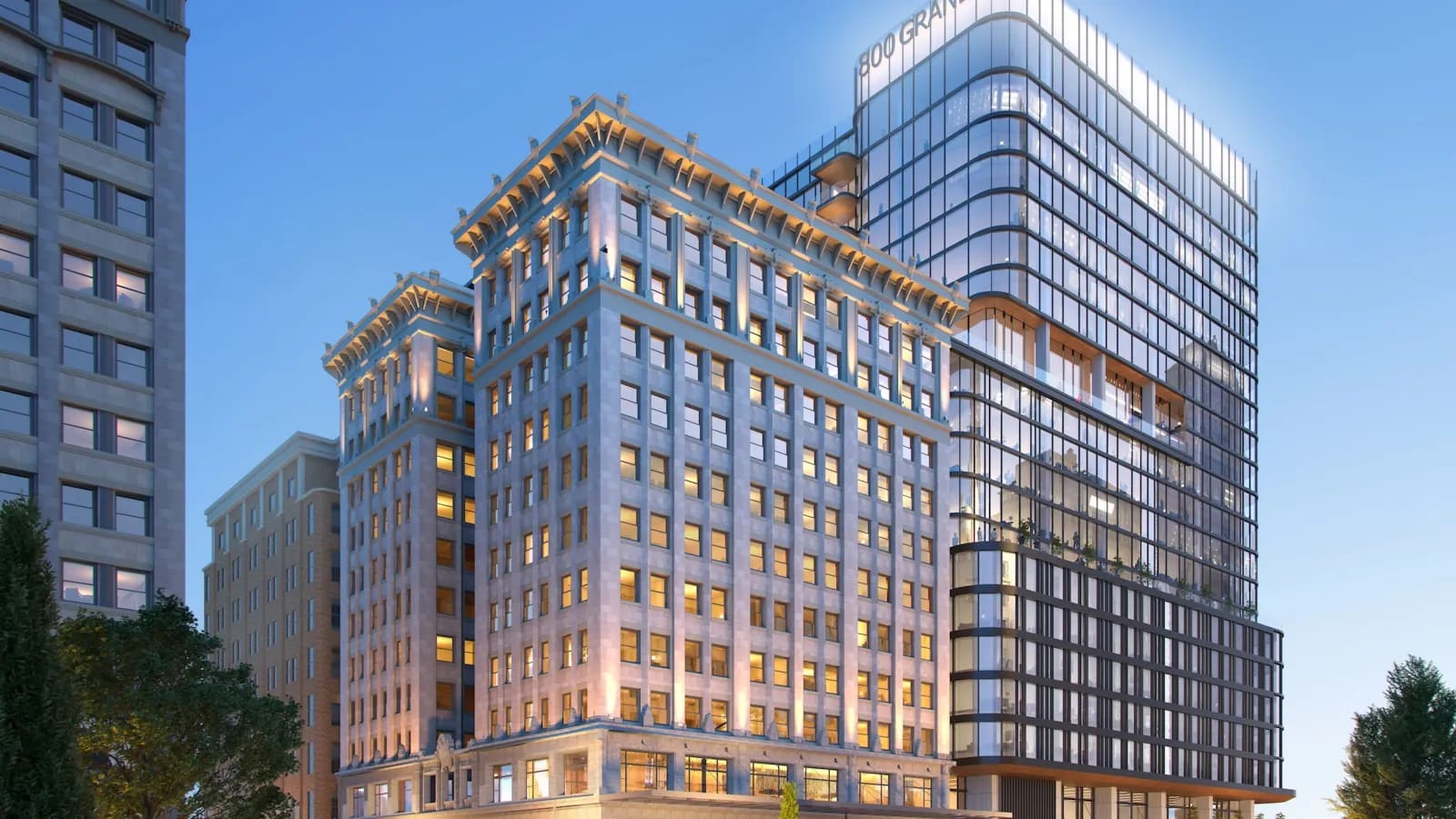
The Scarritt Building, a downtown Kansas City landmark that dates back more than a century, is being reimagined as a 169-room hotel centered on the city's deep musical identity. UMusic Hospitality & Lifestyle and UMH Development announced the adaptive reuse project, with construction slated to begin in the fourth quarter of this year.
The conversion is designed around Kansas City's jazz heritage, which has shaped American music for generations. The hotel will sit near the Power & Light District and T-Mobile Center, positioning it within the city's entertainment corridor.
Beyond guest rooms, the project will include a 309-unit branded residential tower, a music venue, a professional recording studio, and a retail store. Amenities will span a luxury spa, fitness center, rooftop restaurant, lounge, and pool. The mix reflects a broader ambition: to blend lodging with live performance and local storytelling rather than simply theme a hotel around music.
Why Kansas City
Kansas City's contributions to jazz are well documented. The city became a crucible for the genre during the early 20th century, producing artists and a distinct sound that influenced musicians worldwide. For a brand built around music, the location offers both narrative and audience.
"UMusic Hotel Kansas City represents everything we stand for as a brand, transforming historic landmarks into immersive destinations that celebrate music, culture, and community," Robert Lavia, CEO of UMusic Hospitality & Lifestyle, said in a statement.
The company launched its first property in Madrid in 2022, a 130-room hotel inside a historic theater. The Kansas City project marks its entry into the U.S. market, alongside plans for an Austin property with 150 rooms, 600 residences, and an amphitheater.
UMusic Hospitality & Lifestyle is partnered with Universal Music Group, positioning the brand at the intersection of hospitality and entertainment rather than traditional hotel development.
A Wider Trend
The Kansas City project reflects growing traveler interest in stays that offer cultural context rather than generic comfort. Music-themed hotels have expanded in recent years, often anchored by local heritage or live programming.
Palm Tree Crew opened a 118-suite music-focused hotel in Miami in December 2024. Hard Rock International is developing its Reverb lifestyle brand in Florence, Alabama, with a 155-room property set to open in 2028. These projects share a common approach: embedding the property within a specific cultural scene rather than applying a generic music aesthetic.
The challenge for operators is delivering authenticity. A hotel can install vinyl records and posters, but programming, partnerships, and local engagement determine whether the concept feels genuine or cosmetic. Recording studios, performance spaces, and artist residencies offer more substance than decor alone.
What Comes Next
UMusic Hotel Kansas City is being developed by UMH Development and BR Companies. No opening timeline has been released, though construction is expected to begin later this year.
The project's success will depend on execution. Adaptive reuse of historic buildings carries complexity, and integrating residential units, performance venues, and hospitality under one roof requires coordination across multiple stakeholders. If the concept works, Kansas City gains a hotel that connects visitors to the city's cultural lineage. If it falters, it becomes another mixed-use property with a music motif.
For now, the project signals confidence that travelers will pay for cultural immersion, and that Kansas City's jazz legacy remains a draw.