The Spaces Between Home and Work
There is a version of travel that involves ticking off landmarks, snapping photos in front of towers, and moving to the next stop. Then there is another way: sitting in a neighborhood cafe and watching how a Tuesday morning unfolds.
Third spaces are the informal spots where people spend time outside their homes and offices. They are parks, libraries, corner bakeries, public squares, weekend markets. These are not places designed to impress visitors. They exist because locals need them. And that is exactly why they matter.
When smartphones made it easy to stay home and online shopping eliminated the need to leave the house, these gathering spots became even more precious. The pandemic underscored their value. Now, as cities reopen and people return to public life, third spaces are thriving again. Neighborhood cafes are multiplying. Old buildings are being turned into community hubs. Craft markets fill public plazas on weekends.
For travelers, these spaces offer something guidebooks cannot. They show you how a city breathes when it is not performing for tourists.
Parks Show You the Rhythm
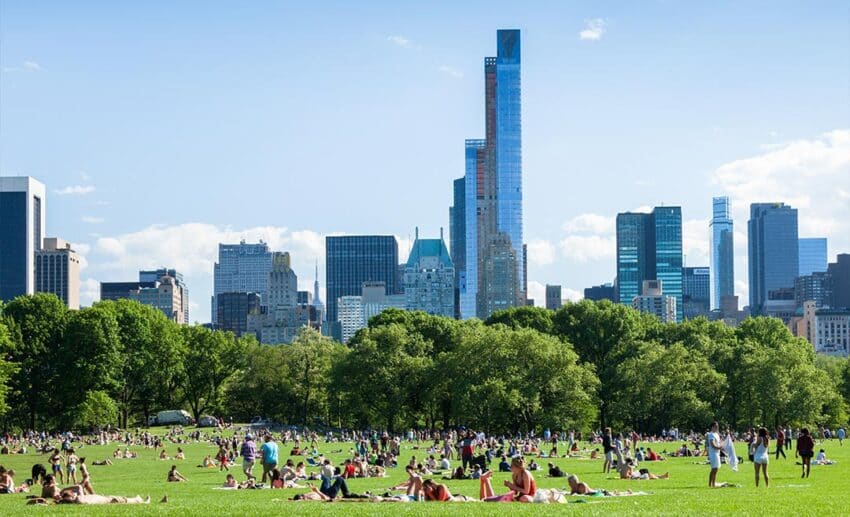
A public park at mid-morning is a snapshot of local life in motion. Joggers loop the paths. Dog walkers pause to chat. Kids swing on playground equipment while parents scroll on benches nearby. A group of young people spreads out a picnic under a tree.
You will never know the full stories behind what you see. But the details add up. The jogger might be squeezing in exercise before a shift. The picnic could have been planned weeks in advance. The park itself, bustling despite chilly weather, might signal that this is one of the warmer days locals have seen in weeks.
Parks give you context. They show you who uses public space, how they use it, and what leisure looks like in that particular place. Against the backdrop of buildings and streets, they let you see the city with its people in it.
Cafes Reveal the Daily Routine
A neighborhood cafe is not trying to give you an experience. It is just there, serving coffee and toast to people who need both before getting on with their day.
Sit down with your order and take a moment to listen. Notice what people are drinking. Are they lingering over breakfast or grabbing something to go? Are they working alone with laptops open, or meeting friends for a long chat?
These small observations sketch out the rhythm of the neighborhood. A steady stream of takeaway orders suggests a place where people are always moving. Tables filled with people reading or typing hint at a slower pace, or at least a culture that values carving out time in public.
If you have ever fantasized about living in the city you are visiting, a cafe is a good place to test the idea. Does the pace here match your own? Could you picture yourself as one of the regulars?
Different neighborhoods within the same city can have entirely different tempos. A cafe in one district might hum with chatter and quick turnover. In another, people settle in for hours. Both are valid. One might suit you better.
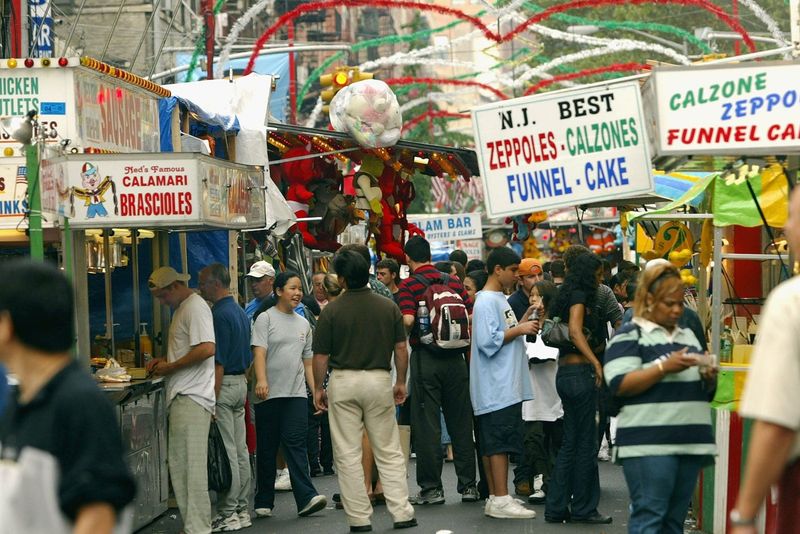
Markets Reflect What Matters Now
Museums tell you what a city used to be. Markets show you what it is today.
Walk through a local market and you see what people are actually eating and buying. The produce stands tell you which vegetables are in season, which greens are staples, which items are everyday and which are special. The seafood stalls reveal what is local versus what is imported. The spice vendors hint at flavor preferences.
Food is culture in real time. A market visit gives you direct access to that, without the curation of a museum exhibit or the gloss of a restaurant menu aimed at tourists.
Beyond the stalls themselves, watch the interactions. How do vendors and customers talk to each other? Is haggling expected, or are prices fixed? Do people greet each other by name? Is the atmosphere rushed or relaxed?
If you plan to buy something yourself, observing first helps. You can learn the local etiquette, figure out how transactions work, and maybe even blend in a little better when your turn comes.
Bookshops and Libraries Hint at Curiosity
While parks and markets show collective behavior, bookshops and libraries reveal individual interests.
Walk into a local bookshop and scan the shelves. Which sections are largest? Is the thriller aisle twice the size of the fantasy section? Are there entire tables devoted to local authors or regional history? Do they stock translated editions you have never seen at home?
These details offer clues about what the community reads, values, and wants to understand. A big section on architecture might reflect local pride in the built environment. A robust selection of political memoirs could signal active civic engagement. A wall of cookbooks might point to a culture that takes food seriously.
Local editions of familiar books make great souvenirs. Picking up a novel you love in a format unique to that city gives you a tangible memory. Every time you reach for it at home, you are back in that place for a moment.
Beyond shopping, libraries and bookshops are quiet spaces where you can simply be. Sitting in a reading room or browsing shelves puts you in proximity to locals doing the same. No conversation required. Just shared space and quiet presence.
Other Spaces Hold Their Own Stories
Third spaces are everywhere once you start looking. A neighborhood bakery in the morning reveals the city's favorite breakfast pastry. A public square at dusk shows how people gather after work. Community centers, sports fields, shopping streets, hawker stalls - all of them offer glimpses into how daily life is organized.
The point is not to visit every type of space on a checklist. The point is to notice. Who is using these places? What are they doing? How do they move through the space? What does that tell you about the city's rhythm?
You do not have to skip the famous landmarks to travel this way. But leaving room in your itinerary for wandering into ordinary places changes the texture of a trip. It adds depth. It gives you stories that are not in the guidebook.
Slow Down to See More
The best travel moments often happen when you stop trying to see everything and start paying attention to what is in front of you.
Third spaces invite that kind of attention. They are not designed to wow you. They are just there, doing their job, serving the people who need them. But if you take the time to sit, watch, and listen, they reveal more about a place than any monument can.
Next time you travel, find a park bench. Spend an hour in a cafe that is not on Instagram. Walk through a market where no one is selling souvenirs. Notice how the city lives when it is not performing.
Sometimes the most memorable part of a trip is the moment you stop sightseeing and simply see.