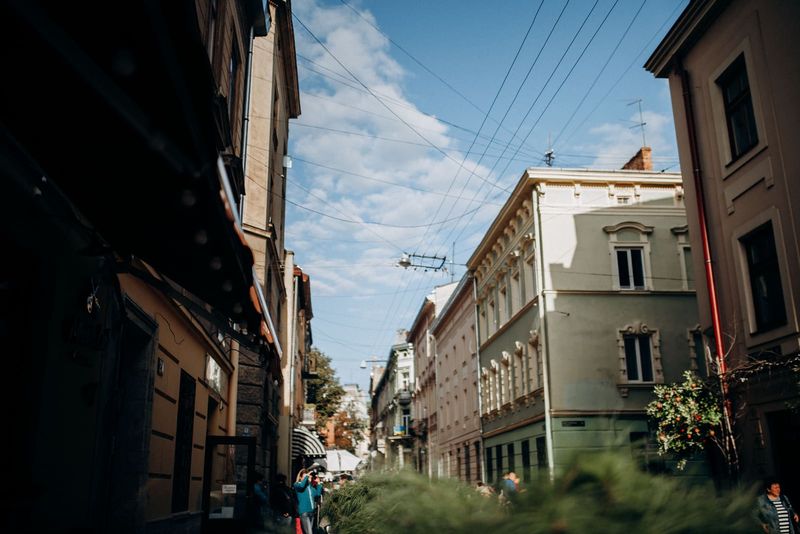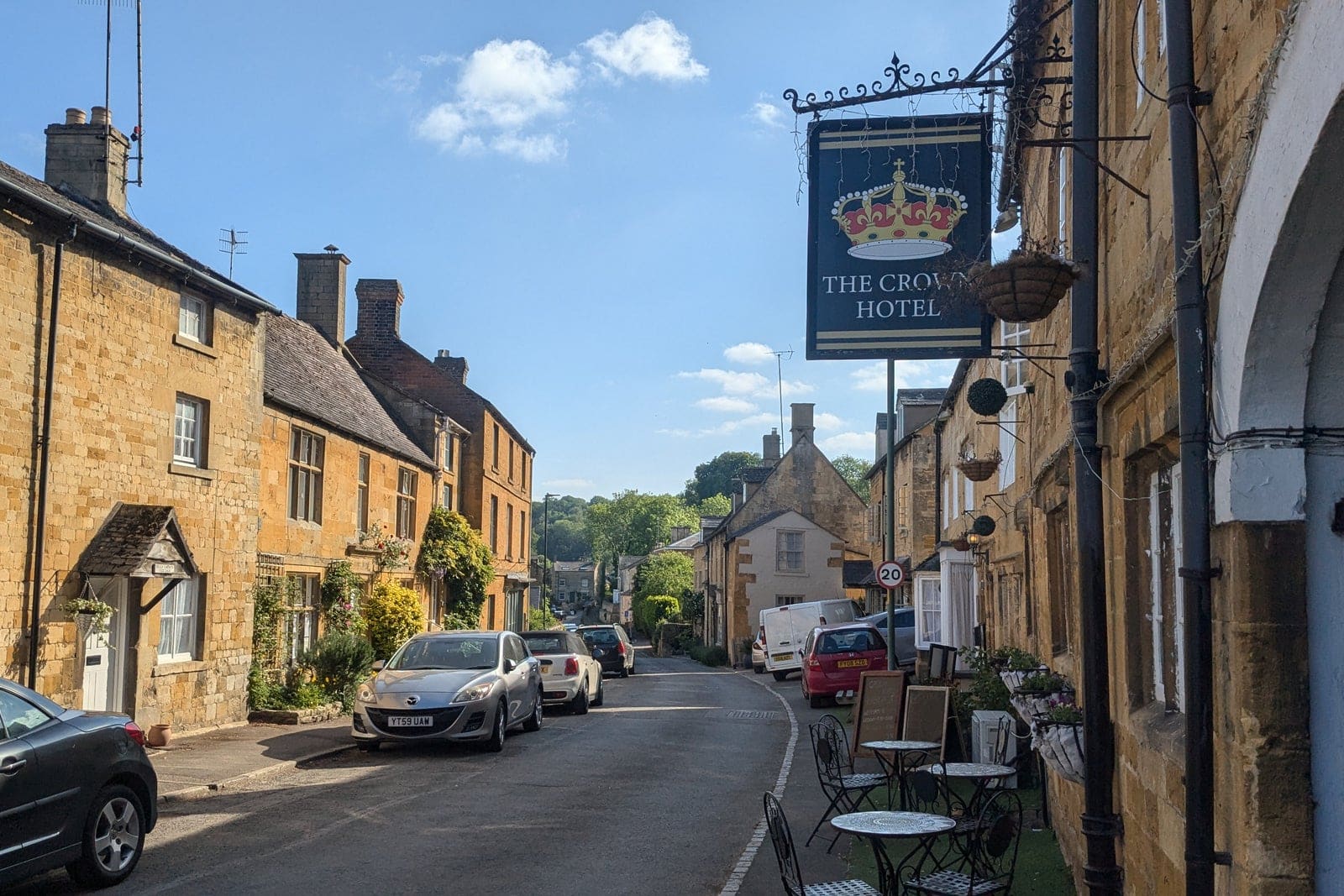
The Experiment
Four days to reach the Cotswolds from London. A train would have done it in under two hours, but Gabriel Stewart set himself a different challenge: travel using only local buses. No trains, no coaches, no cars. Just the same public transport that millions across the UK depend on daily.
The first stretch alone took five hours and four buses just to clear the M25. Sticky seats on the SL8 Superloop under a beating sun offered an early taste of what this kind of travel demands. But somewhere between the discomfort and the forced waiting, something shifted. Without a rigid schedule, the journey itself became the point.
What Happens When You Can't Rush
Local bus travel strips away the illusion of control. You move at the network's pace, not your own. In Little Compton, Warwickshire, Stewart found himself the only passenger. The driver offered to drop him anywhere safe along the route, turning a public bus into an impromptu taxi. It was a small kindness, but one that would be impossible on a packed intercity train.
The ability to hop off wherever you want opens up a different kind of itinerary. Moreton-in-Marsh, Bourton-on-the-Water, Stow-on-the-Wold, places that have wrestled with overtourism in recent years, became stops rather than destinations. Residents seemed curious about someone traveling this way, treating it as a novelty rather than an inconvenience.
Pubs as the Center of Everything
In West Wycombe, Buckinghamshire, Stewart stumbled into The Swan Inn, a pub with no pumps. Every ale was gravity-fed straight from barrels and served at room temperature. The interior looked more like a living room than a bar: two armchairs, a sofa facing a television, tables scattered without much thought to aesthetics or arrangement.
Landlady Christine and her friend Sue sat in the armchairs, watching EastEnders and Race Across The World. When customers in the back room ordered drinks, it was treated as an interruption. Locals drifted in and out, catching up on village gossip, never ordering anything. Stewart had accidentally landed at the heart of West Wycombe social life.
That pattern repeated throughout the trip. In Eynsham, Oxfordshire, a village with six pubs, word of the traveling writer spread quickly. By the fourth pub of the night, someone greeted him with a knowing grin: "Are you the writer we've been hearing about?"
Eynsham felt different from the anonymous sprawl of London. Age barriers seemed to dissolve. Pensioners and twenty-somethings moved freely between tables, pulled into the same conversations. For someone used to city anonymity, the ease of belonging was almost disorienting.
When the Bus Doesn't Come
The Cotswolds delivered the postcard version of the English countryside: green pastures, rolling hills, gold limestone buildings dotting the landscape. The ride from Witney to Chipping Norton cost just three pounds, thanks to the national cap on single fares. For that price, the view felt almost absurd.
But rural bus travel has its limits. In Blockley, a planned one-night stay turned into two when a Sunday bus simply never showed. A local resident named Joe offered a shrug and some advice: "Sometimes the buses don't come, and that's okay. You just change your plans."
That philosophy cuts against everything modern travel promises. We expect precision, efficiency, seamless connections. But when those expectations fall away, something else takes their place. The forced slowdown becomes less frustrating and more like permission to stop optimizing every hour.
The Case for Going Slower
Stewart's eight-day journey cost less than forty pounds in total transport. The route required patience, flexibility, and a willingness to let the network dictate the rhythm. But it also delivered interactions that faster travel erases: conversations with bus drivers, evenings spent in village pubs, unexpected detours that became highlights.
Slow travel is often framed as a luxury, something only people with abundant time can afford. But in this case, it was also cheaper, more spontaneous, and more connected to the places being passed through. The trade-off was control. You don't choose when the bus arrives or whether it runs on Sunday. You adapt.
For travelers used to curating every detail, that loss of control might feel uncomfortable. But it also removes the pressure to extract maximum value from every moment. When you can't rush, you stop trying to. The journey stops being something to endure on the way to the destination and becomes worth paying attention to.
What Gets Lost at High Speed
High-speed travel compresses geography into a blur. You board in one place, scroll through your phone, and emerge somewhere else. The space between becomes irrelevant, something to skip over as quickly as possible.
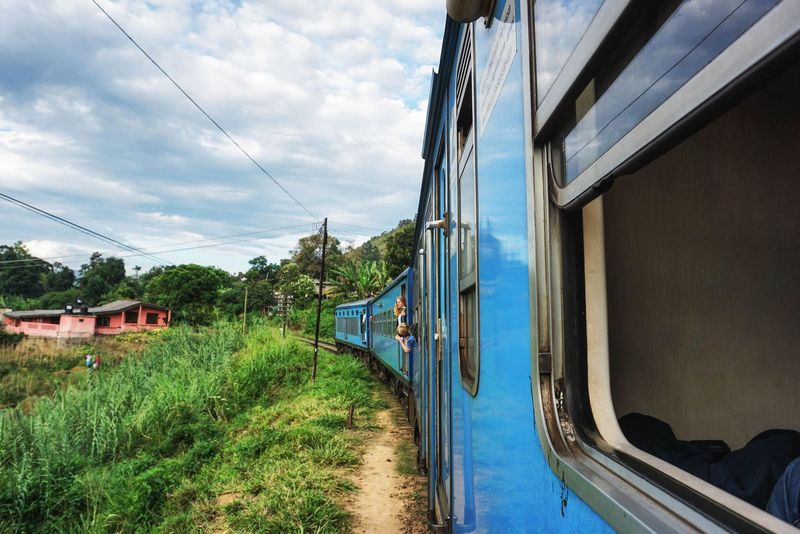
Local buses do the opposite. They stop frequently, move slowly, and force you to notice what's outside the window. Stewart's route passed through market towns, farmland, and villages that don't appear in most travel guides. These weren't hidden gems waiting to be discovered, just ordinary places where people live and work. But seeing them at ground level, at fifteen miles per hour, offered a snapshot of daily life that faster transport bypasses entirely.
The UK's rural bus network is often criticized for being unreliable, underfunded, and inconvenient. All of that is true. But it's also a lifeline for people without cars, and a way of moving through the country that reveals textures high-speed rail erases. The crows in the Bradenham church, the gravity-fed ales in West Wycombe, the casual generosity of a bus driver in Warwickshire, none of that shows up on a two-hour train journey.
Rethinking the Point of Travel
Stewart's experiment wasn't about proving that buses are better than trains. It was about testing what happens when you remove speed as the primary goal. The answer, it turns out, is that travel becomes less about arrival and more about attention.
That shift has implications beyond bus routes. Much of modern tourism is built around efficiency: see more, do more, maximize every day. But that approach often leaves travelers exhausted, overstimulated, and disconnected from the places they're rushing through. Slowing down, even when it's inconvenient, creates space for the accidental encounters and unplanned detours that make trips memorable.
It also challenges the idea that time is something to be conquered. When the bus doesn't come and your plans fall apart, you can treat it as a failure or as an opening. Joe's advice in Blockley, that sometimes buses don't come and that's okay, applies to more than rural transport. It's a reminder that not everything needs to be optimized, that uncertainty can be tolerated, and that changing your plans isn't the same as failing.
The Luxury of Time
Stewart described having "the luxury of time" at the start of his journey. That framing is revealing. Time has become a luxury, something scarce and valuable that most people feel they don't have enough of. But treating time as a resource to be spent efficiently also turns travel into a checklist, another thing to get through.
Slow travel inverts that logic. It treats time as abundant rather than scarce, and asks what becomes possible when you stop rushing. The answer, in this case, was a deeper sense of place, more meaningful interactions, and a journey that felt less like work and more like discovery.
That doesn't mean everyone should start taking local buses across the country. But it does suggest that the relentless push for speed and efficiency comes with costs. What gets lost is the texture of the in-between, the unplanned conversations, the sense of moving through a place rather than over it.
Stewart's journey ended in Moreton-in-Marsh after eight days and nearly forty pounds in bus fares. He could have done it in two hours and spent more money. Instead, he spent a week noticing things: village churches, rural pubs, rolling hills framed by bus windows. It wasn't faster or more convenient, but it was travel in the fullest sense, the kind that leaves you changed rather than just relocated.