The Problem on the Water
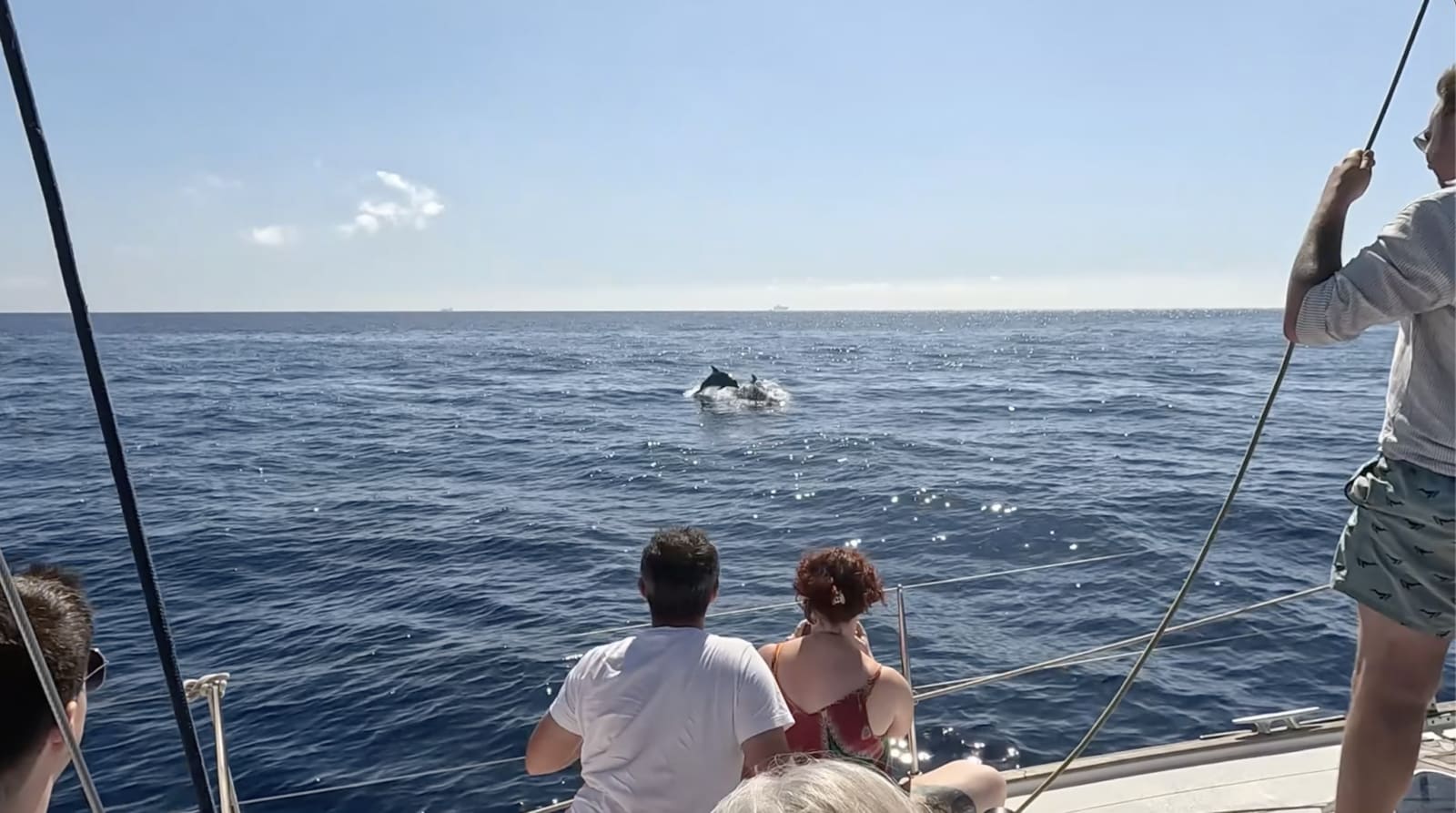
Malta sits in a narrow stretch of the Mediterranean where visible wildlife is scarce. When dolphins surface, boats tend to converge. Marine biologist Patrizia Patti, who founded EcoMarine Malta after years studying the island's cetaceans, frames the issue not as malice but as enthusiasm without information. People rush in, engines revving, unaware that their approach can trigger the same stress response dolphins show around predators.
The island already has guidelines. ACCOBAMS, a regional conservation agreement covering the Mediterranean and Black Sea, published voluntary rules for approaching cetaceans years ago. Malta's Environment and Resources Authority and Transport Malta have since run awareness campaigns echoing those standards. But voluntary codes lack teeth, and the campaigns have yet to translate into consistent behaviour change across the hundreds of recreational and commercial vessels that ply the coast each summer.
What the Data Revealed
Between late 2023 and 2025, EcoMarine Malta deployed an underwater acoustic recorder off the Maltese coast, capturing 1,200 hours of dolphin vocalisations. The recordings ran continuously, independent of boat schedules or weather, and revealed something striking: dolphins were present in the same zone day and night, in calm conditions and rough seas. Combined with nine years of photo-identification data collected during the organisation's tours, the evidence pointed to a scientific hotspot, not a transient feeding ground.
That distinction matters. If dolphins use an area consistently, noise and vessel traffic become chronic stressors rather than occasional disturbances. Underwater noise interferes with echolocation and communication, and Patti notes it can provoke the same anti-predatory response dolphins exhibit around sharks. For mothers with newborn calves, that stress carries real physiological cost.
The acoustic data became the backbone of a joint statement released earlier this year, co-signed by 29 organisations spanning environmental NGOs, dive operators, ranger units and marine businesses. The statement calls for a mandatory speed limit in the identified zone, a formal public reporting system for violations, and wider adoption of the approach protocols already outlined in the ACCOBAMS guidelines.
How Approach Matters
The guidelines are specific. Vessels should slow down roughly 300 metres from dolphins and approach from the side, not head-on or from behind. Coming from the rear can trigger flight; head-on approaches register as aggression. A lateral approach allows the animals to assess the vessel calmly, and if they perceive no threat, they may choose to come closer on their own terms.
Patti describes the shift in passenger behaviour when the protocol is followed. Rather than urging the skipper to get closer, people watch dolphins behaving naturally: hunting, socialising, nursing calves. The encounter becomes observational rather than transactional. Dolphins often reward that patience by approaching the boat themselves, curious rather than cornered.
EcoMarine Malta frames this as part of its responsibility as a tourism operator. The organisation positions itself not as a gatekeeper but as an ambassador, teaching visitors to enjoy wildlife without imposing on it. That educational role, Patti argues, is inseparable from the business of running boat tours.
A Coalition Without a Leader
The joint statement drew endorsements from a diverse set of stakeholders, but EcoMarine Malta deliberately avoided claiming leadership. Patti is emphatic on this point: the result matters more than credit. What united the coalition was shared concern for marine life and a recognition that enforcement, education and infrastructure all need to improve in tandem.
Since the statement's release, EcoMarine Malta and other operators have held renewed meetings with the Environment and Resources Authority. In the absence of formal monitoring, tour operators act informally as eyes on the water, reporting both compliant and problematic behaviour. The proposed public reporting system would formalise that role and broaden it to anyone using the sea.
Under the proposed model, reports would trigger escalating warnings before any fine, with penalties reserved for repeat or severe offenders. The aim, Patti says, is not punishment but data collection and behaviour change. A reporting system creates visibility, and visibility creates accountability.
What Responsible Encounters Look Like
The campaign offers a working definition of responsible wildlife tourism. It requires restraint, patience and the willingness to let animals dictate the terms of the encounter. It also requires infrastructure: speed limits, designated zones, monitoring systems and consequences for violations. Voluntary guidelines alone have not been enough.
Malta's dolphins are a test case partly because the island is small, its waters heavily trafficked, and its wildlife limited enough that every sighting draws attention. But the tension Patti describes, between enthusiasm and impact, plays out in coastal destinations worldwide. The coalition's approach, grounded in long-term data and cross-sector collaboration, offers a model that could translate beyond one hotspot in the Mediterranean.
Patti frames her work as advocacy for the animals, not opposition to people. The distinction is subtle but important. Protecting dolphins does not require excluding tourists. It requires changing how tourism happens, and that change depends on operators, regulators and visitors all understanding what is at stake beneath the surface.