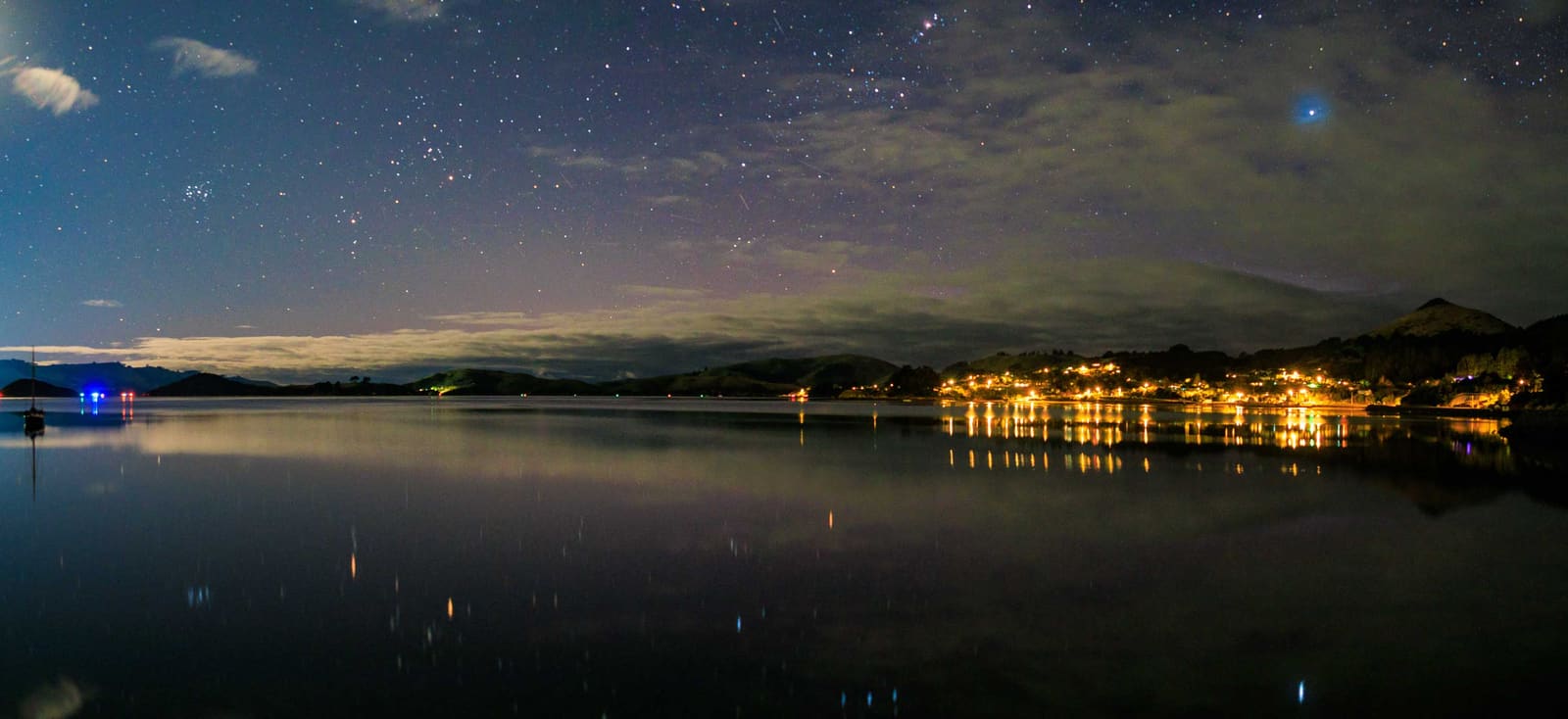
A Holiday Built on Starlight
In the depths of the southern winter, when the Pleiades star cluster rises above the horizon before dawn, New Zealand pauses. The appearance of these stars - called Matariki in te reo Māori - has guided planting cycles, fishing seasons, and communal reflection for centuries. Now it triggers something more modern: a public holiday.
The recognition is unusual. Few countries grant official time off for Indigenous cultural observances, particularly those tied to celestial events rather than fixed calendar dates. Matariki shifts each year, falling between late June and mid-July depending on the lunar calendar and the stars' visibility in the Southern Hemisphere. In 2022, the New Zealand government formalized what many Māori communities had long practiced, creating a floating public holiday that moves with the cosmos.
The decision places Aotearoa - the Māori name for New Zealand - alongside a short list of nations that have elevated First Nations traditions to the level of national pause. It's a gesture with weight, though the substance depends on how broadly the occasion is understood beyond its official designation.
What the Stars Have Always Meant
Matariki refers both to the star cluster itself and to the season it heralds. Traditionally, its first sighting marked the Māori New Year, a time to honor those who had died, celebrate harvests, and prepare for the planting season ahead. Different iwi (tribes) interpreted the stars in distinct ways. Some counted seven stars, others nine. Each star held significance: one for the dead, one for food from the sky, one for food from the earth, and so on.
The practice was never static. Tohunga (experts in traditional knowledge) would study the brightness and arrangement of the stars to forecast the coming year. A clear, bright cluster suggested abundance; a hazy or dim appearance hinted at hardship. These readings informed practical decisions - when to plant kumara, when to set nets, when to gather resources.
Colonial disruption nearly erased the tradition from public life. Christian calendars and European agricultural rhythms replaced Māori seasonal markers. But iwi kept the knowledge alive, passing it through whakapapa (genealogy) and oral tradition. By the late twentieth century, urban Māori communities began reviving Matariki celebrations, often blending customary practices with contemporary formats: festivals, art installations, educational programs.
A Day Off, But for What?
The public holiday formalizes something already in motion. Cities across the country now host Matariki events - concerts, dawn ceremonies, storytelling sessions, kite-flying gatherings. Ōtepoti (Dunedin), on the South Island's southeastern coast, has become a focal point. The city's geographic position offers clear views of the pre-dawn sky, and its strong Māori community has built a calendar of activities around the season.
Attendance at these events varies. Some families treat Matariki as a day of cultural engagement, attending ceremonies that begin in darkness and end with shared kai (food). Others use the long weekend for winter breaks unrelated to the holiday's origins. That's typical of any public holiday - the gap between intent and practice is wide.
What matters more is the shift in visibility. Schools now teach Matariki as part of the curriculum. Retailers stock Matariki-themed goods. Media outlets run explainers on the stars and their meanings. The holiday has become a prompt, even for those who don't observe it, to acknowledge that New Zealand's calendar was not always shaped by British tradition.
The Limits of Recognition
A public holiday is symbolic, not transformative. It doesn't reverse the effects of land loss, language suppression, or economic marginalization. It doesn't guarantee that Māori perspectives shape policy or resource allocation. What it does is create space - literally, in the form of a day - for a different way of marking time.
Some critics argue the holiday risks commodifying Matariki, turning a sacred practice into a marketing opportunity. Others see it as overdue acknowledgment, a small correction in a long history of erasure. Both can be true. The holiday exists in a tension between authenticity and accessibility, between preservation and adaptation.
For travelers, Matariki offers a window into how a country negotiates its dual identity. New Zealand markets itself as bicultural, a place where Māori and Pākehā (European) histories coexist. The reality is messier, marked by unresolved grievances and uneven power. But the holiday is one place where that coexistence is practiced, however imperfectly.
Watching the Sky with Others
Attending a Matariki event means participating in something that predates the nation-state by centuries. It also means joining a crowd that might include tourists, schoolchildren, and elders who remember when such gatherings were rare. The mix is part of the point. Matariki was never meant to be exclusive; it was communal, a shared reading of what the stars foretold.
The challenge is maintaining that communal spirit as the holiday grows. Festivals can become spectacles. Traditions can flatten into performance. But the stars themselves remain indifferent to those risks. They rise each winter, whether anyone is watching or not. The question is who chooses to look up, and what they see when they do.