A Policy Turn Six Decades in the Making
The Yucatán Peninsula has long been defined by one dominant vision of tourism: all-inclusive resorts, beach clubs, and nightlife concentrated in purpose-built hubs. That model took shape in the 1960s, when the Mexican government identified tourism as an economic engine and poured resources into developing Cancún from a fishing village into a beach resort destination. The strategy worked, drawing millions of visitors annually and generating billions in revenue.
But in 2026, President Claudia Sheinbaum introduced a directive that marks a different approach. The new policy framework emphasizes regenerative tourism, a model that prioritizes environmental restoration, community benefit, and smaller-scale experiences over volume and infrastructure expansion. The directive does not shut down existing resorts, but it does signal a shift in government support and investment priorities.
What Regenerative Tourism Means in Practice
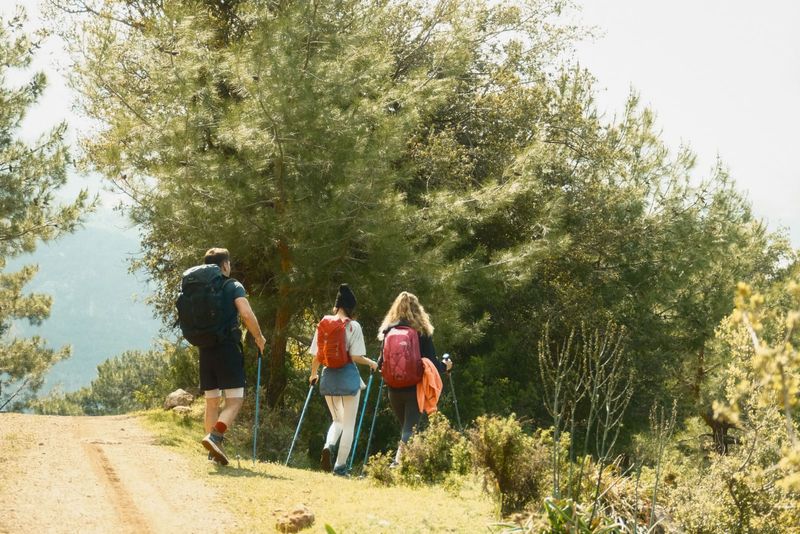
Regenerative tourism goes beyond minimizing harm. The idea is that travel should leave a destination better than it found it, whether through habitat restoration, cultural preservation, or economic structures that keep revenue local. In the Yucatán context, that translates to hiking routes through biosphere reserves, stays in family-run guesthouses, and conservation projects that involve travelers directly.
The policy does not define regenerative tourism with a rigid checklist. Instead, it sets broad goals: reduce environmental degradation, increase the share of tourism income that stays in local communities, and diversify the types of experiences available to visitors. The implementation details are still being worked out at the state and municipal levels, but early signals suggest a focus on infrastructure for ecotourism, training programs for community-based hosts, and stricter environmental reviews for new hotel developments.
The Cancún Model and Its Limits
Cancún's growth has been staggering. The city went from a population of a few hundred in 1970 to over 900,000 today, with hotel zones stretching along the coast and into the interior. The economic benefits are undeniable, but so are the costs. Water scarcity is a recurring issue, as resorts draw heavily from underground aquifers. Coral reefs near the coast have suffered from pollution and physical damage. And much of the money spent by tourists flows to international hotel chains and tour operators rather than local businesses.
The all-inclusive model, in particular, tends to keep visitors inside resort boundaries, limiting their interaction with nearby towns and reducing the economic spillover. For travelers seeking nightlife, pools, and convenience, the model works. For those interested in the region's cenotes, Maya archaeological sites, and jungle ecosystems, the resort zone often feels like a starting point rather than the destination itself.
What the Shift Could Look Like
The directive does not propose dismantling Cancún's hotel infrastructure. Instead, it aims to build up alternatives in other parts of the peninsula. That could mean more support for community-run lodges in the Sian Ka'an Biosphere Reserve, expanded trail networks in the Calakmul region, and funding for cooperatives that offer guided bird-watching, snorkeling in cenotes, or workshops on traditional crafts.
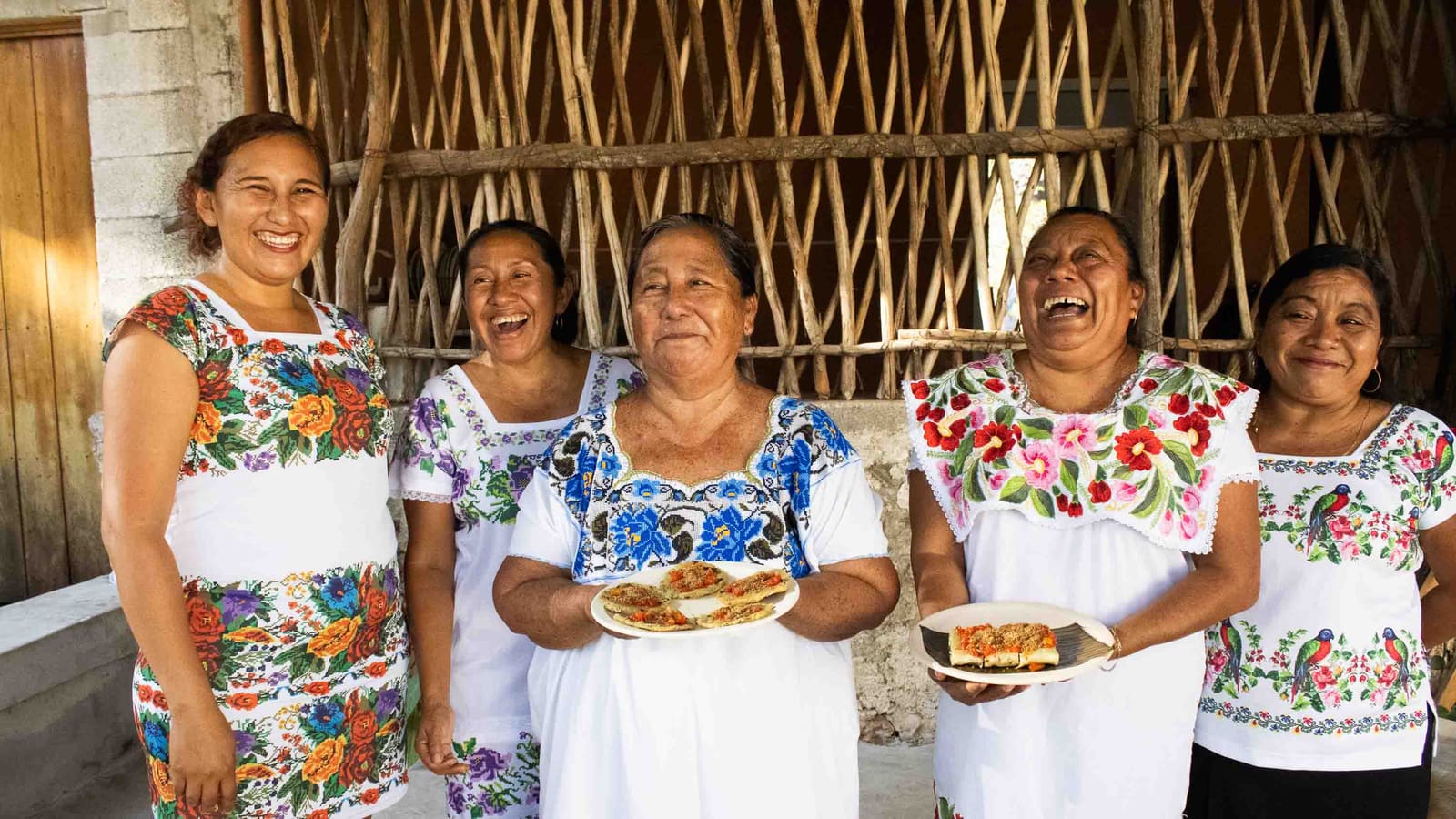
Some of these initiatives already exist. Indigenous-led tourism cooperatives have been operating in Quintana Roo and Campeche for years, often with limited resources and little visibility. The policy change could bring them into the mainstream, with government backing for marketing, infrastructure, and training. It could also attract a different type of traveler, one less interested in beach clubs and more focused on nature, culture, and hands-on experiences.
The Challenges Ahead
Shifting a tourism economy is not straightforward. Cancún's infrastructure represents decades of investment and employs hundreds of thousands of people. Any policy that redirects resources or changes development priorities will face resistance from stakeholders who depend on the current model. There is also the question of scale. Regenerative tourism, by its nature, tends to involve smaller groups and longer stays, which means it may never match the volume or revenue of mass tourism.
Training is another hurdle. Running a homestay or leading a conservation hike requires skills that are different from those needed in a resort kitchen or a nightclub. Community members will need access to training programs, business support, and reliable infrastructure, from roads to internet connectivity. Without that foundation, the policy risks being aspirational rather than actionable.
Then there is the issue of demand. Not every traveler who flies into Cancún is looking for a jungle trek or a village homestay. The resort model exists because it serves a real market. The success of the regenerative approach will depend on whether it can attract enough visitors, and whether those visitors are willing to pay prices that make the model economically viable for local hosts.
A Test Case for Regional Tourism
Mexico is not alone in rethinking its tourism strategy. Destinations around the world are grappling with overtourism, environmental degradation, and the uneven distribution of tourism income. The Yucatán Peninsula, with its mix of mass-market resorts and untapped natural and cultural assets, offers a test case for whether a government can deliberately steer tourism in a new direction.
The outcome will depend on execution. Policy directives are one thing; implementation is another. If the government follows through with funding, training, and regulatory support, the region could develop a more balanced tourism economy. If not, the directive may end up as a statement of intent without much practical impact.
For now, the resorts of Cancún remain as busy as ever. But the conversation about what tourism could look like in the Yucatán has shifted. Whether that conversation leads to real change will become clear in the years ahead.