Pressure on the Path
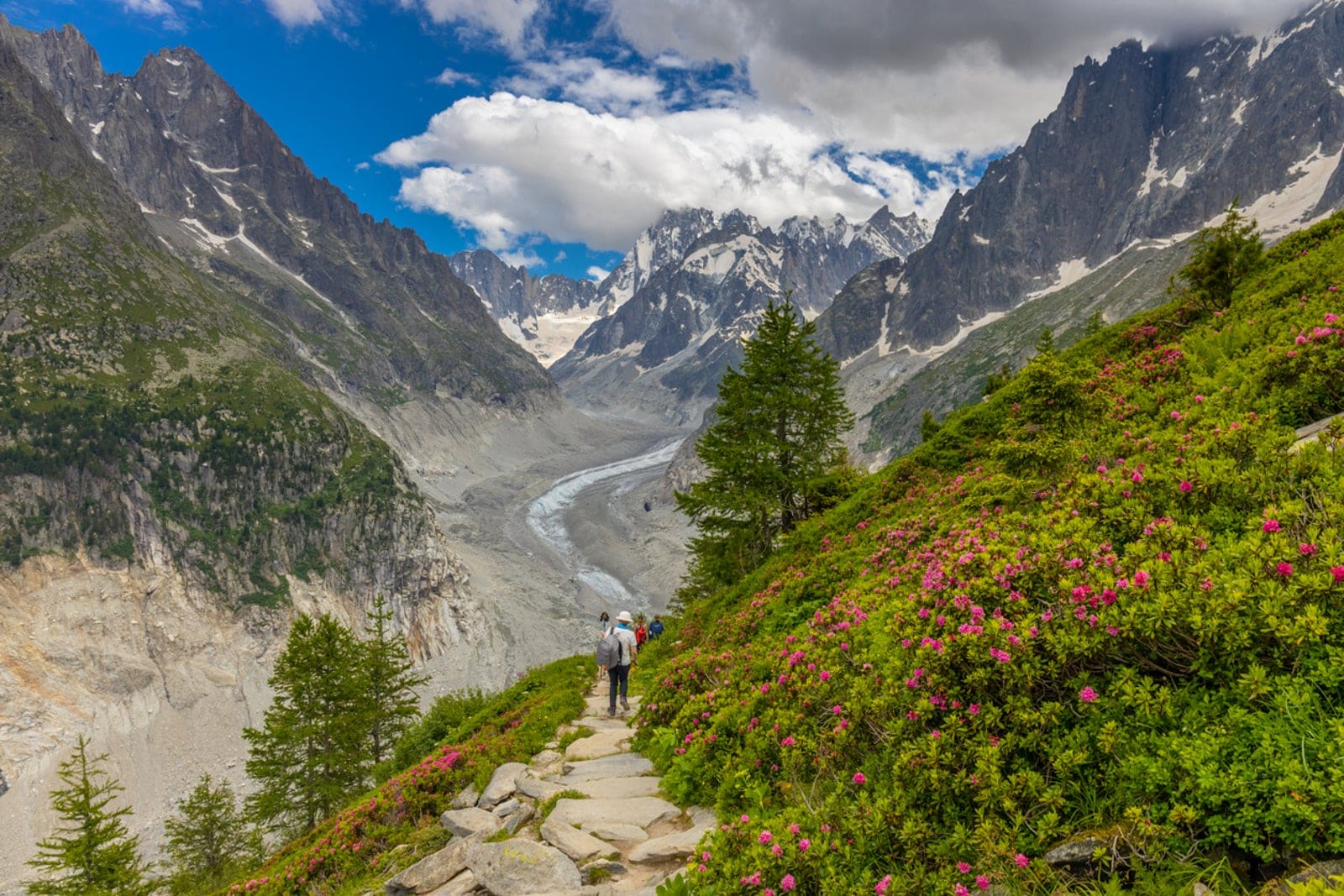
The Tour du Mont-Blanc has long been a rite of passage for serious hikers. The 170-kilometre loop weaves through three countries, tracing the base of Western Europe's highest peak, and typically takes between seven and eleven days to complete. But the trail's popularity has begun to undercut the experience it promises. Around 80,000 people now walk it each year, and local officials say the numbers are creating bottlenecks, waste problems, and tension on narrow alpine sections.
Jean-Marc Peillex, mayor of Saint-Gervais-les-Bains, a key French town along the route, has proposed a reservation system that could take effect as early as spring 2027. Under the plan, hikers passing through certain French municipalities would need to book a spot in a mountain hut or an authorized bivouac zone before setting out. The goal is straightforward: fewer people on the trail at any given time, and better control over where they sleep.
"Today we're moving along in single file," Peillex told Swiss broadcaster SRF. "People can only see the backsides of those in front of them."
Why Reservations
The proposal targets two problems at once. The first is physical capacity. Saint-Gervais-les-Bains sits at the foot of the Mont Blanc massif, about an hour southeast of Geneva, and serves as one of the largest waypoints on the circuit. It is also a major rail hub for hikers heading to the trail and the Tramway du Mont-Blanc. When accommodation fills up, hikers have traditionally camped informally or pushed on to the next village. That overflow has strained fragile alpine ecosystems and created friction with local residents.
The second issue is behavior. Peillex has cited littering and what he describes as disrespectful conduct, though he has not detailed specific incidents. The implication is that a reservation system would make hikers more accountable and give municipalities a clearer picture of who is on the trail and when.
If accommodation is fully booked, hikers would be expected to delay their trip rather than show up and improvise. That approach mirrors systems already in place on other high-traffic trails around the world, from the Inca Trail in Peru to certain routes in Japan's Northern Alps.
Cross-Border Coordination
The Tour du Mont-Blanc is unusual in that it crosses three national borders. Hikers typically start in France, dip into Italy, cross into Switzerland, and loop back into France. That geography complicates any regulatory effort. A reservation system imposed only by French municipalities would cover just part of the route, and hikers could still crowd Italian and Swiss sections without restriction.
Joachim Rausis, mayor of Orsières in Switzerland, has called for better coordination among the three countries. "There are warning signs, and we need to regulate things," he said. "But above all we need coordination between Switzerland, Italy and France."
No formal trilateral framework has been announced, and it remains unclear whether Italy and Switzerland will adopt similar measures. If they do not, the French reservation system could simply shift pressure to neighboring sections of the trail.
What It Means for Hikers
For now, the 2027 timeline is a target, not a guarantee. The proposal still requires approval from multiple French municipalities and would need to be implemented in coordination with hut operators, park authorities, and transportation providers. But the direction of travel is clear: open access to the Tour du Mont-Blanc is increasingly seen as unsustainable.
If the system goes ahead, hikers will need to plan further in advance and accept that peak summer weekends may be off-limits. That could make the trail less spontaneous but also less crowded. Whether it preserves the experience or simply rations it will depend on how the system is designed and whether neighboring countries follow suit.
For the 80,000 people who walk the circuit each year, the message is to book early or risk being turned away. The era of simply showing up may be coming to an end.