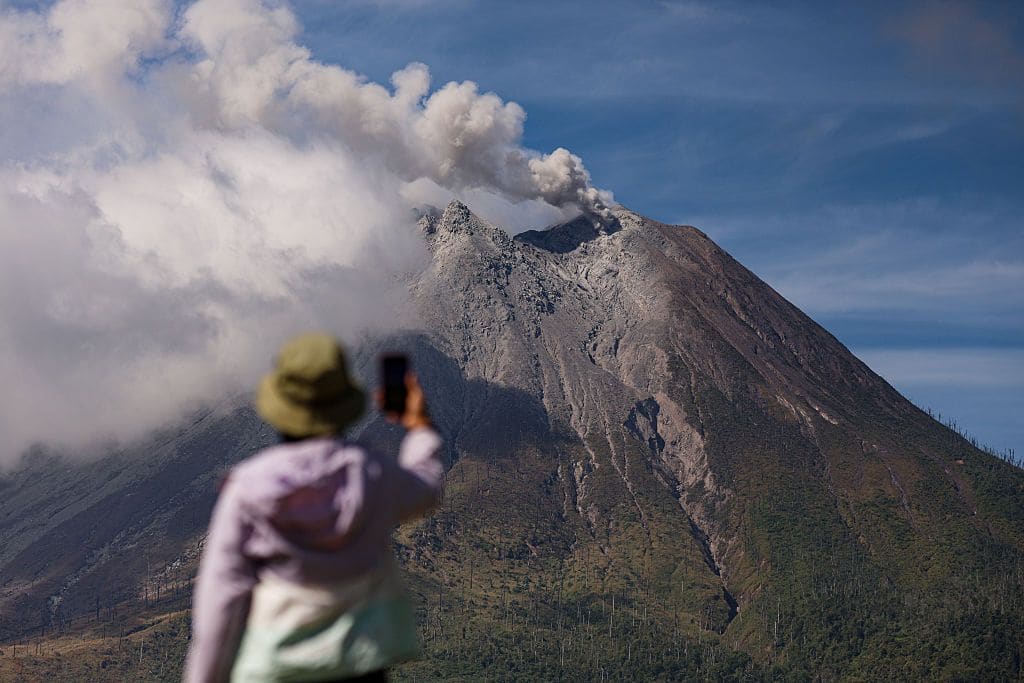
A Weekend of Fire and Ash
Mount Anak Krakatau began erupting late Friday evening and didn't stop for an entire day. The volcano, sitting in the Sunda Strait about 150 kilometers from Jakarta, sent lava fountains into the sky and produced booming sounds that carried across hundreds of kilometers. According to Indonesia's Geological Agency, the eruption started at 11:07 p.m. local time on Friday and continued without pause until just after midnight on Sunday, lasting 25 hours in total.
The volcano hasn't gone quiet since. Lighter eruptions continue intermittently, enough to keep schools closed in affected areas and maintain the Level III alert status. Lana Saria, head of the Geological Agency, noted that the likelihood of more eruptions in the coming days remains high. The agency is tracking the situation through continuous monitoring data rather than relying solely on eruption counts or ash column height.
Why This Volcano Matters
Anak Krakatau, which translates to "Child of Krakatoa," emerged from the sea roughly a century ago in the caldera left by the catastrophic 1883 eruption of Mount Krakatoa. The younger volcano has been active on and off ever since. In 2018, a collapse at Anak Krakatau triggered a tsunami that killed at least 430 people across Sumatra and Java, a tragedy still fresh in regional memory.
Saria emphasized that the current eruption series does not carry tsunami risk. The immediate dangers are volcanic ash, elevated gas concentrations, and the ejection of hot rocks, lava, and debris around the crater. For anyone near the volcano or downwind, these hazards are real and present.
Indonesia sits on the Pacific Ring of Fire, a belt of seismic activity that encircles the Pacific Ocean and contains roughly 75 percent of the world's active volcanoes. The country itself has more than 120 active volcanoes, making eruptions a recurring part of life. This particular eruption, however, has hit at a scale that affects millions of travelers and residents across two major islands.
Eight Airports Shut Down
Volcanic ash in the airspace prompted Indonesian authorities to close eight airports until 6 p.m. Monday local time. The list includes Jakarta's two international airports, Soekarno-Hatta and Halim Perdanakusuma, as well as Radin Inten in Lampung on Sumatra and Husein Sastranegara in West Java. Smaller airports in Curug, South Tangerang, Pesisir Barat, and South Sumatra are also closed.
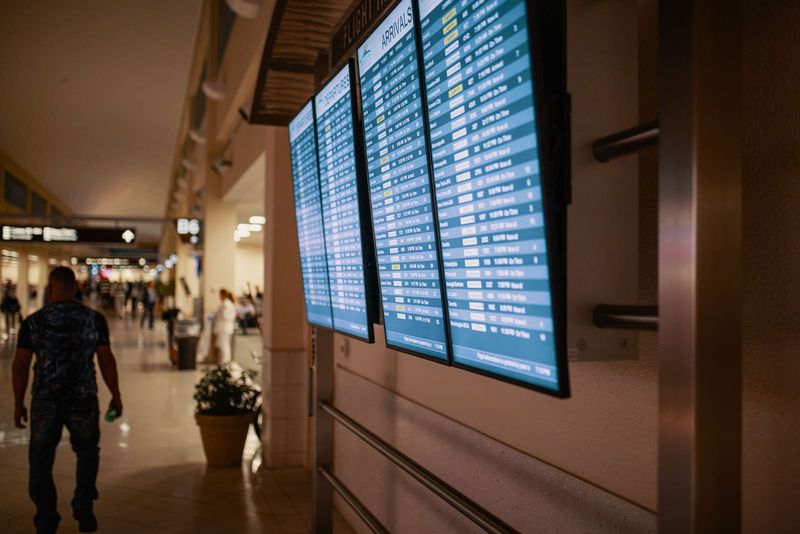
Transport Minister Dudy Purwagandhi acknowledged that the situation remains fluid. The closures could extend beyond Monday depending on how the volcano behaves and how weather conditions shift ash patterns. So far, the eruption has disrupted around 2,300 flights and affected roughly 270,000 passengers, many of whom are now stuck waiting for the skies to clear.
For travelers trying to get in or out of Jakarta, the disruption is significant. Soekarno-Hatta is one of Southeast Asia's busiest airports, serving as a hub for domestic and international routes. The closure ripples outward, affecting connections across the region and beyond.
What Travelers Should Know
Air travel across Java and Sumatra has been hit hard, with flights cancelled, delayed, or rerouted. Anyone with plans to fly through the affected areas should check their flight status directly with their airline before heading to the airport. Conditions are changing by the hour, and what was scheduled this morning may not hold by afternoon.
The UK's Foreign, Commonwealth and Development Office advises against travel to certain specific areas in Indonesia but not the country as a whole. Travelers should review those guidelines and consider whether their plans take them near affected zones. Just as important is checking with travel insurers to confirm that coverage remains valid given the current circumstances. Some policies have exclusions for travel during natural disasters or government advisories.
Indonesia's volcanic activity is part of living in a tectonically active region, and the country has developed systems to monitor and respond. Still, eruptions like this one remind travelers that nature sets the schedule. The airports will reopen when it's safe, and flights will resume when the ash clears. Until then, patience and flexibility are the only options.