A State Built for the Camera
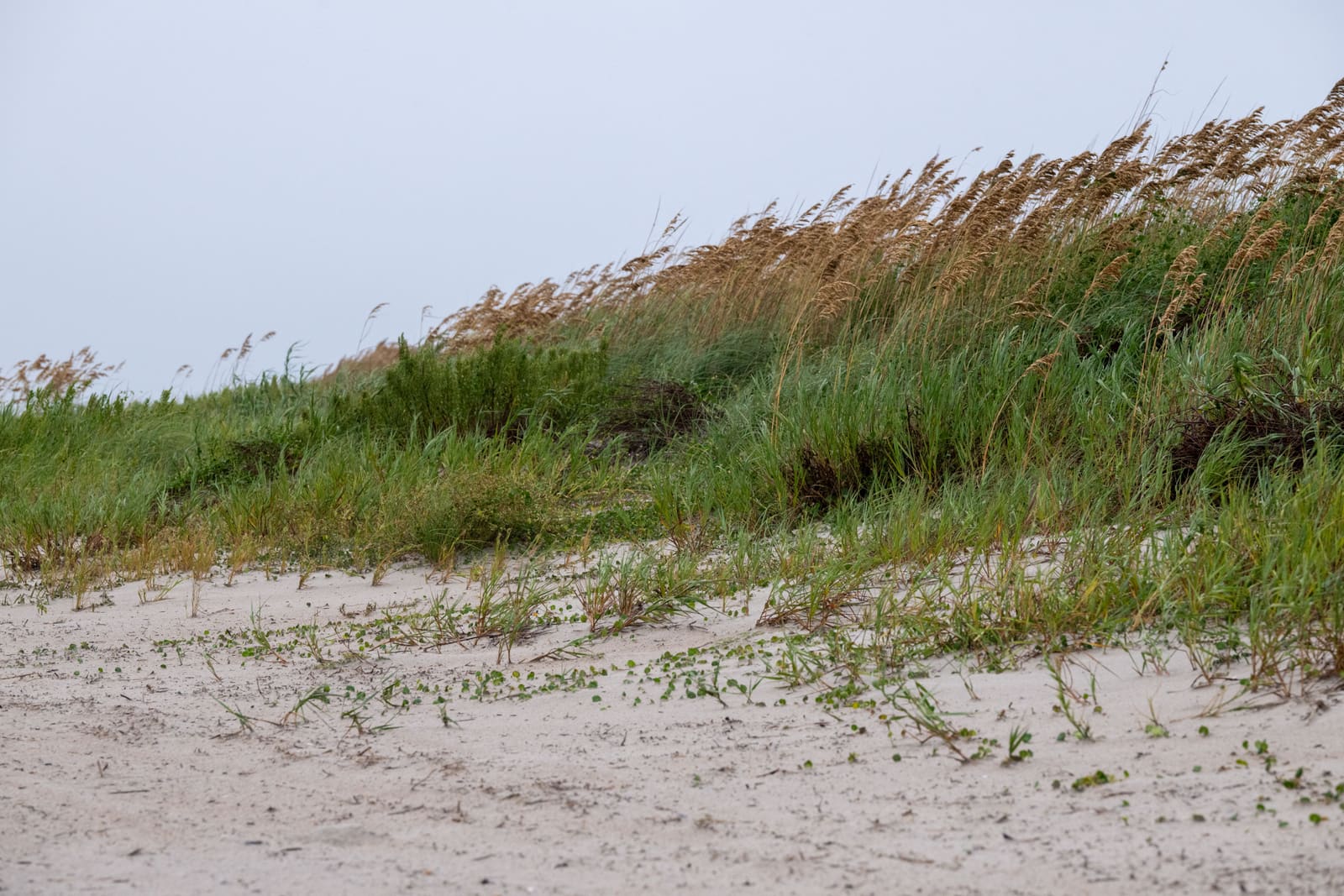
North Carolina has spent decades quietly accumulating screen credits. The state's geography delivers what location scouts need: barrier islands that catch Atlantic light, college campuses shaded by old trees, mountain roads that curve through mist. Wilmington earned the nickname "Wilmywood" not through marketing but through the volume of productions that have used the town and its surroundings as a backdrop.
That screen presence now shapes how people travel through the state. Visitors arrive with itineraries built around scenes rather than landmarks, looking for the university steps where a character graduated or the beach where a pivotal conversation took place. The phenomenon, sometimes called set-jetting, has given the state's tourism a second narrative alongside its natural appeal.
Where Teen Dramas Found Their Settings
Amazon Prime Video's The Summer I Turned Pretty filmed in Wilmington and nearby beach towns along the southern coast, using Carolina Beach, Kure Beach and Wrightsville Beach to stand in for the fictional Cousins Beach. Several businesses that appear in the series remain open: Benny's Big Time Pizzeria, Oceanic restaurant, Bespoke Coffee. The college scenes used the University of North Carolina campus in Chapel Hill, a town that has long provided a photogenic academic setting for productions.
One Tree Hill spent nine seasons in Wilmington, drawing on locations across the town. A number of sites remain accessible: Thalian Hall, which doubled as the town hall steps; the New Hanover County Courthouse; Harry Forden Bridge, known to fans as the One Tree Hill Bridge. Food establishments that featured in the series, including the Dixie Grill and Dough House Pizza Co., continue to operate.
Dawson's Creek, set in a fictional Massachusetts town, filmed primarily in Wilmington. Hell's Kitchen, which served as Mollye's Market in the series, sits near Wilmington Riverwalk. Airlie Gardens' Bradley Creek Lawn and New Hanover County Arboretum are both within a short drive. The show's 1990s run predates the current wave of screen tourism, but the locations have retained their connection to the series.
Hollywood's Footprint in the Mountains and Beyond
Forrest Gump shot most of its scenes in South Carolina, but a brief sequence of Forrest's cross-country run was filmed on Grandfather Mountain near Linville in the Blue Ridge Mountains. The curve where the scene was captured is now a photo stop, marked informally by visitors who recognise the bend in the road.
The Green Mile used Moses Cone Manor in Blowing Rock as the Georgia Pines nursing home, where the elderly Paul Edgecomb recounts his story. The manor sits within 3,600 acres of grounds managed by the National Park Service, which offers free tours by arrangement. The building's appearance in the 1999 film gave it a second identity beyond its history as a private estate.
Dirty Dancing, set in upstate New York, filmed at Lake Lure. The stairs where Baby carried a watermelon, the golf course, and the gymnasium floor where the final dance took place are all tied to the location. When the gym was demolished, the floor was salvaged and moved to the Esmeralda Inn, Restaurant & Spa. The 1927 Lake Lure Inn & Spa, where cast members stayed during production, now offers themed rooms named after the characters.
The Outer Banks Question
Netflix's Outer Banks primarily filmed in South Carolina, but a few sequences used North Carolina locations: the Enduro beach race at Fort Fisher State Recreation Area at Kure Beach, and the woods race at Copperhead Ranch in Rocky Point. The show's title references the real barrier islands off North Carolina's coast, a stretch of shoreline that has drawn holidaymakers for decades independent of the series. The programme has amplified interest in the region, though the islands were already established as a travel destination.
What the Screen Leaves Behind
The relationship between filming and tourism is not always straightforward. A location gains visibility, but that visibility depends on the production's reach and the specificity of its scenes. Generic interiors or digitally altered landscapes do little for a place; recognisable exteriors and businesses that remain unchanged create the pull.
North Carolina benefits from productions that used real streets, real buildings, real coastline. The state's tourism office now promotes set-jetting itineraries, a recognition that some visitors arrive with a screen memory they want to verify in person. The locations themselves have not changed to accommodate this; they were simply there when the cameras arrived, and they remain there now that the cameras have moved on.
For travellers, the appeal is partly nostalgia and partly curiosity: the chance to stand where a fictional character stood, to see whether the place matches the screen version. North Carolina offers that match more often than not, because the productions chose to film the state as it is rather than transform it into something else.