A Bigger Canvas for Flexibility
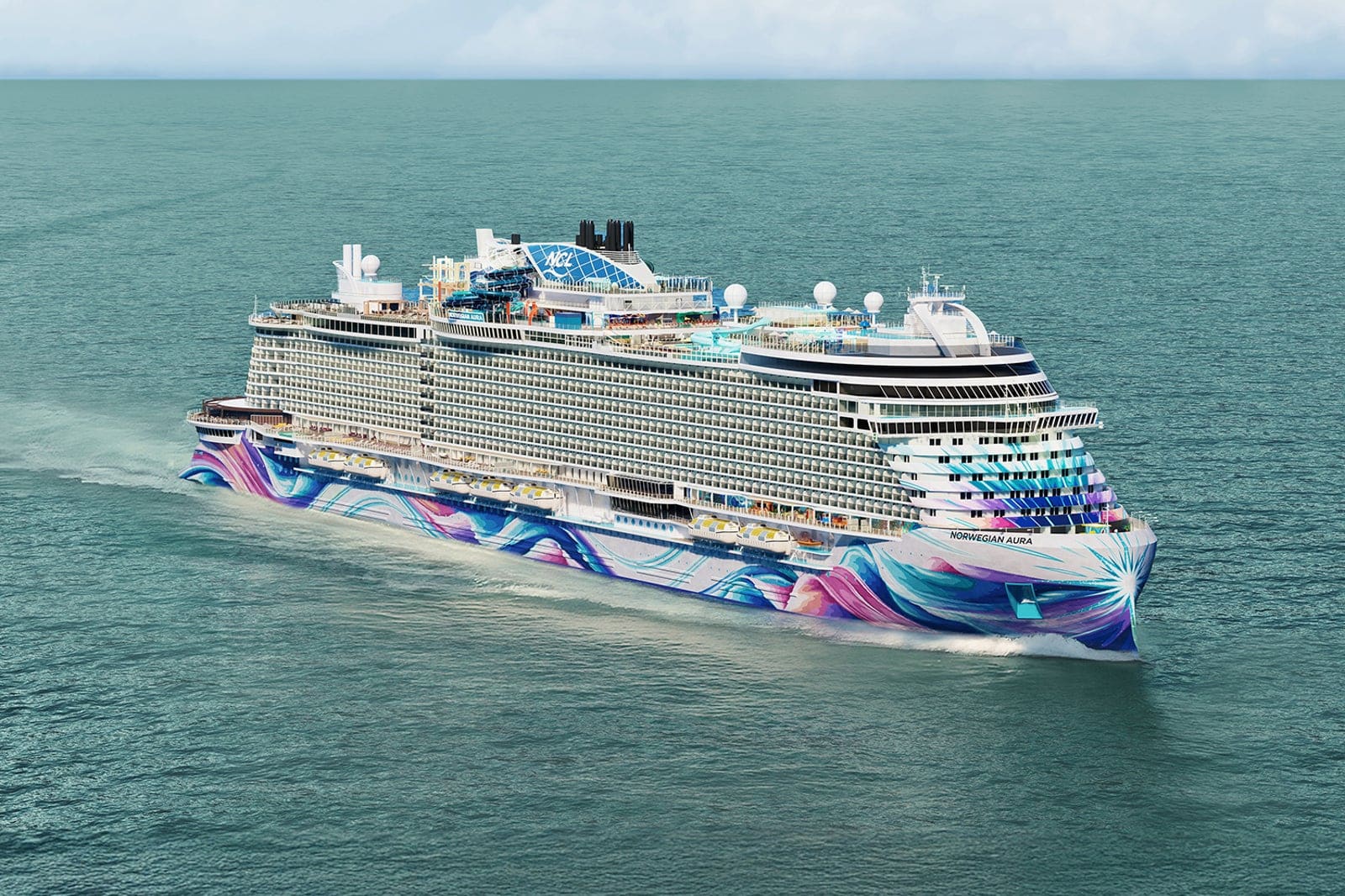
Norwegian Cruise Line's next ship is taking shape in Fincantieri's Italian yards, and the carrier is using the extra space to double down on what it does best: giving passengers choices. The Norwegian Aura, slated for a May 2027 debut, will carry 3,840 guests across 168,000 gross tonnes, making it the largest vessel in the NCL fleet and the third in the Prima Plus class, after Aqua and Luna.
That size translates into more square footage for dining, wellness, and deck activities. The ship will host 22 food and beverage outlets, up from 17 on its sister ships, and a two-deck spa with 15 thermal amenities. A three-deck activity zone called Ocean Heights will anchor the upper decks, complete with dueling mat-racer waterslides stretching over 400 feet.
Indian Cuisine Gets Its Own Room
The headline culinary addition is Tamara, a specialty restaurant devoted entirely to Indian cuisine. The concept grew out of guest response to Indian options introduced at the Indulge Food Halls on Aqua and Luna, where demand proved strong enough to warrant a standalone venue.
Tamara's interior draws on North Indian temple architecture and courtyard design, aiming to create a sense of place alongside the menu. Pricing has not yet been announced, though specialty dining on NCL typically carries a surcharge. The move reflects a broader industry shift toward diversifying cruise dining beyond European and American menus, particularly as South Asian travelers become a more visible demographic in the cruise market.
Also new is the Panorama Room, a complimentary dining space built around immersive visuals. LED walls, multi-channel audio, and synchronized lighting shift throughout the day to simulate changing landscapes and environments. The idea is to layer sensory context onto the meal itself, turning breakfast or dinner into a kind of soft theater. Whether passengers will find that engaging or distracting remains to be seen, but it signals NCL's interest in experiential dining beyond menu engineering.
The Indulge Food Hall, a tablet-ordering venue that debuted on earlier ships, returns with nine cuisines. The Surfside Cafe, a buffet staple, will span both sides of the ship for the first time, addressing one of the perennial pain points on large ships: crowding at peak meal times.
Wellness as Theater
The Mandara Spa on Norwegian Aura will occupy two decks and offer day passes for guests who want access without booking individual treatments. The centerpiece is a 15-feature thermal suite, anchored by a sensory rain pool that cycles through calm water, tropical rainfall, and a simulated thunderstorm, complete with lightning effects and recorded thunder.
Other amenities include saunas, hot and cold plunge pools, a foot spa, and a snow cave filled with ice. The design, handled by Rockwell Group, leans into the idea of wellness as experience rather than simply relaxation. That approach has gained traction across the cruise industry, where spas are increasingly positioned as destinations in their own right rather than ancillary services.
Thermal suites have become a common upsell on newer ships, appealing to passengers willing to pay for quieter, adult-only spaces. The multi-sensory rain pool is a more theatrical touch, and it will be worth watching whether it becomes a draw or a novelty that wears thin over repeat visits.
More Space, More Guests, Same Model
Marc Kazlauskas, president of Norwegian Cruise Line, framed the additions as an extension of the line's longstanding pitch: flexibility and choice. The brand has built its identity around open dining, where passengers can eat when and where they want rather than adhering to set seatings or assigned tables. Adding five more venues reinforces that model, though it also raises operational questions about staffing, wait times, and how well the ship can absorb 3,840 guests at peak hours.
The Prima Plus class represents NCL's bet that bigger ships can still feel personal if the layout and amenities are sufficiently varied. Whether that holds true will depend on how well the design manages passenger flow, particularly in high-traffic areas like the expanded cafe and the thermal suite.
What It Signals
The Norwegian Aura's feature set reflects where the cruise industry is placing its chips: on diversifying food offerings, layering in technology-driven experiences, and expanding wellness facilities beyond massage rooms. The addition of a dedicated Indian restaurant is a notable shift for a U.S.-based cruise line, and it suggests that operators are paying closer attention to changing passenger demographics and tastes.
At the same time, the ship stays firmly within the contemporary cruise template: bigger pools, more slides, immersive dining, premium wellness. It is an incremental evolution rather than a rethinking of what a large cruise ship can be. For passengers who value variety and the freedom to structure their own days, the Norwegian Aura will offer more of what NCL has been refining for years. For those hoping the industry might move in a different direction, this is more of the same, scaled up.