A Quiet Season in the Mountains
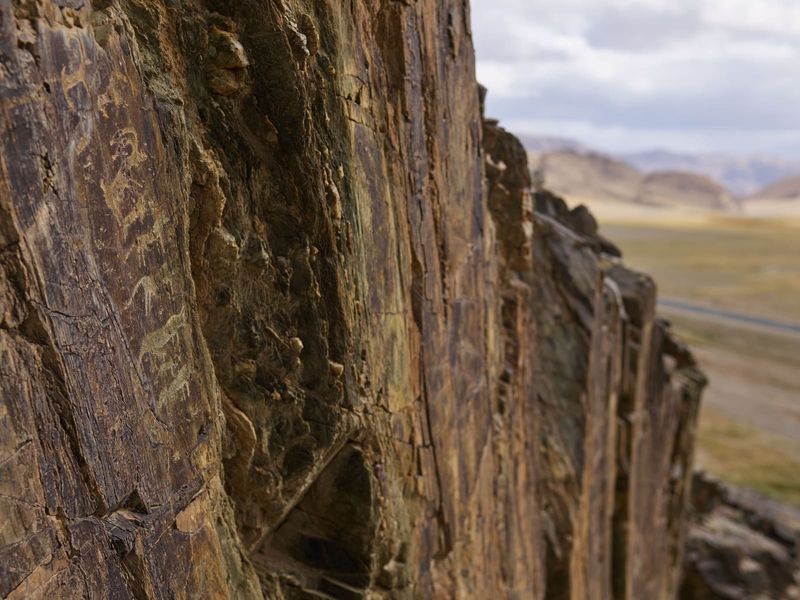
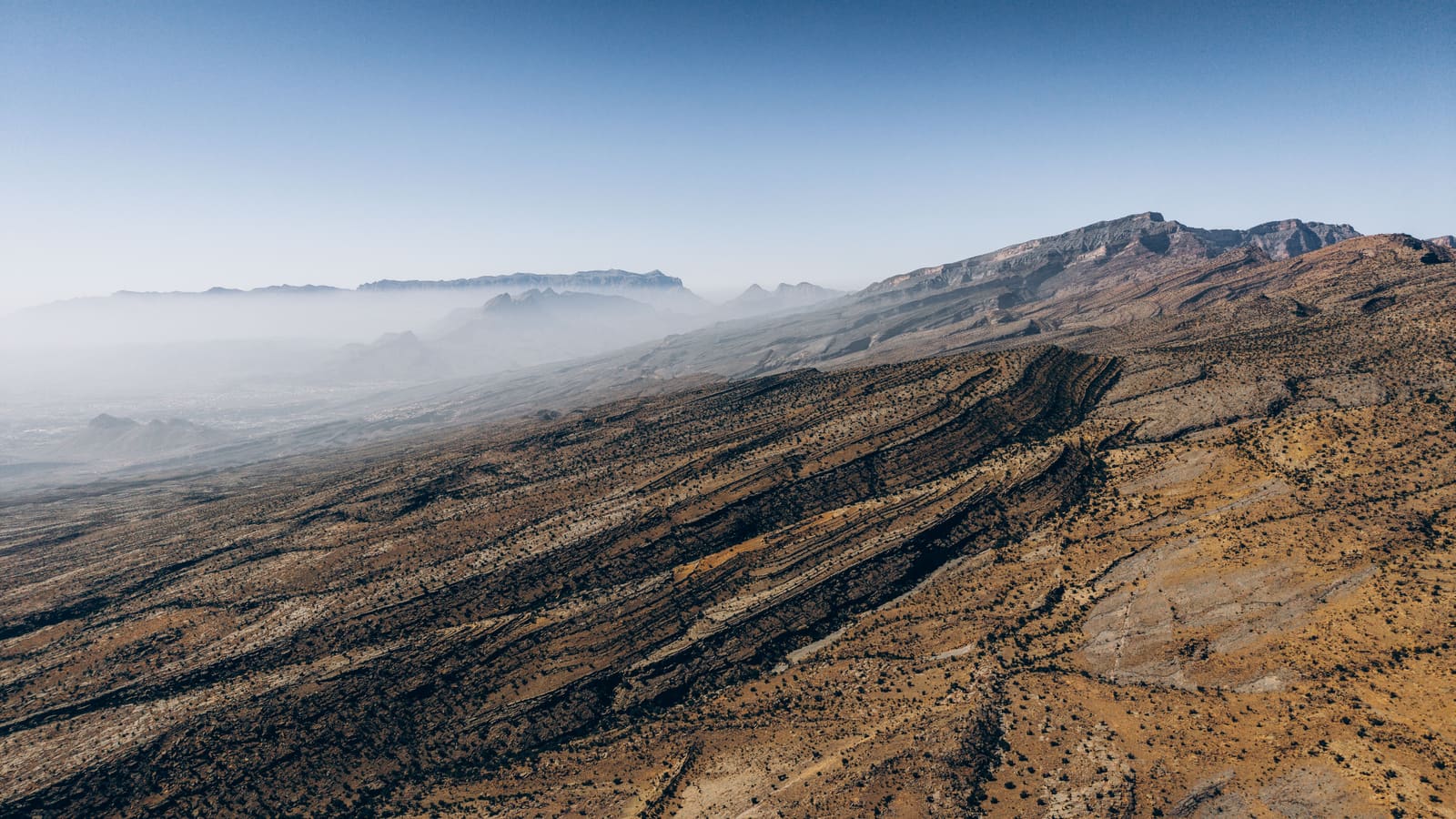
Mountain guide Hassan AlDaghari drives a 4x4 through Jebel Akhdar, a high plateau where summer temperatures hover around 27 degrees and juniper trees line the roads. The name means "green mountain", and the area draws climbers and hikers when bookings are strong. This year, though, the trails are emptier than usual.
Hassan says the lack of visitors reflects worries about air travel to the Gulf, even though Oman itself has stayed out of nearby conflicts. Hotel occupancy across the country fell 13 per cent compared to the previous year, according to Hotelier, and tour operators report hesitant enquiries.
The drop comes despite Oman's position as a coastal nation with access to desert, mountain and ocean terrain within a day's drive. Home to 5.5 million people, the sultanate shares borders with the United Arab Emirates, Saudi Arabia and Yemen, and its cultural influences stretch across the Indian Ocean. English, Arabic, Urdu and Swahili are all spoken here.
What Guides Are Hearing
Yesser Marhoon Al Mamaari runs Al Maamari Tours, a private tour company based in Muscat. He has international bookings lined up but notes a pattern of cancellations tied not to Oman's own situation but to disruptions affecting airlines and neighbouring countries.
Flight routes often pass through major hubs in the UAE and Saudi Arabia, both of which saw interruptions earlier in the year. Muscat Airport, by contrast, remained open throughout, with daily and sometimes double-daily direct flights from London Heathrow operated by Oman Air. Return fares start around £400, and the journey takes about seven hours.
Yesser describes Oman as safe, clean and easy to navigate, with locals who welcome conversation. He believes the country's neutrality sets it apart from other Gulf states, though he acknowledges that many potential visitors still view the region as a single bloc.
Desert Camps and Slow Recoveries
Mike Jiwan works as assistant manager at Desert Nights, a five-star camp in the Sharqiyah Sands. The property has 88 tented rooms, some with private pools overlooking red dunes. Guests come for dune bashing, sandboarding or simply the silence.
Mike says couples and families book the camp to disconnect, and he expects reservations to pick up as the high season begins in October. So far, though, the pace has been slow. He points out that many travellers assume the entire Gulf is affected by conflict, unaware that Oman maintains a neutral stance.
Tour groups can reach the desert from Jebel Akhdar by descending into the lowlands, where temperatures climb back into the high 30s. Guides release air from tyre valves before crossing the sand, a standard technique for driving on dunes.
Coastal Activities and Infrastructure Investment
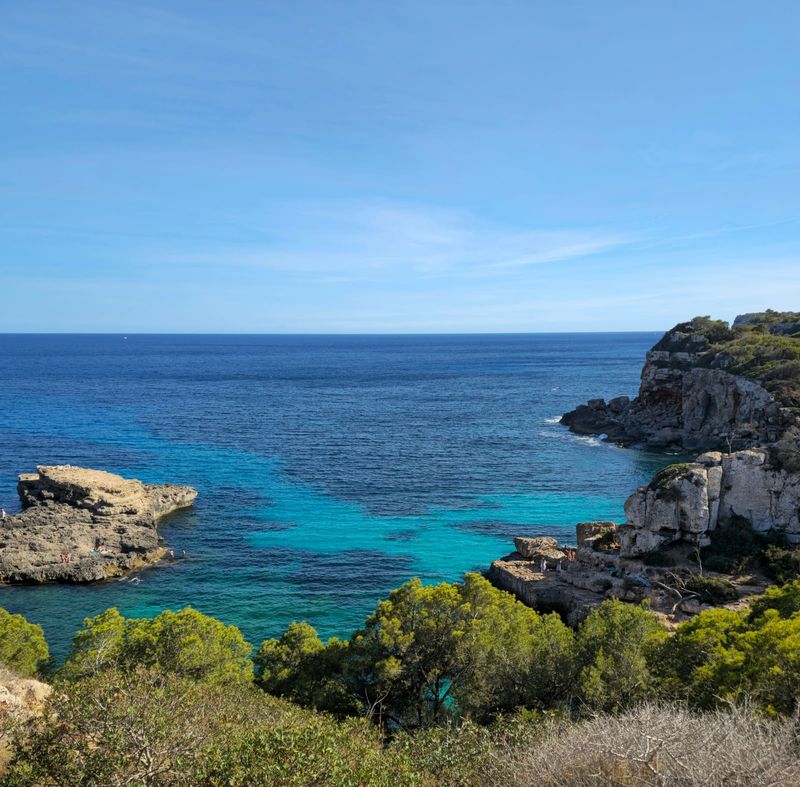
Along Oman's coastline, Al Mouj Marina serves as a departure point for boat trips. Abdallah AlMugheiry, a guide with Oman Sea Tour, takes visitors to the Dimaniyat Islands, where snorkelling routes pass wild turtles and occasional whale sharks. He reports that customers are returning, with trips booked most days.
The marina is part of a broader push to develop Oman's tourism infrastructure. New hotels have opened in Muscat, including the TiVoli LA VIE, and a new mountain road is under construction to improve access for regional travel.
In the Jebel Akhdar range, the Anantara resort overlooks a canyon dotted with villages. A Via Ferrata climbing route runs along the cliffside, and one viewpoint is known as Diana's Point, named after a visit by Princess Diana.
Visitors Who Came Anyway
Anna and Alex, two guests from Switzerland staying at the Anantara, said they booked their trip before regional tensions escalated. They considered cancelling but decided the news coverage might have overstated the risks. They found Oman safe and unhurried, a contrast to the pace of Dubai.
The couple noted that the resort and surrounding area felt quiet, with few other tourists around. They appreciated the lack of crowds but acknowledged that the emptiness also reflected the broader hesitation among travellers.
Recovery and Caution
Gulf tourism is beginning to recover, but geopolitical factors continue to influence decisions. Recent escalations involving Yemen's Houthis and Saudi Arabia, along with US State Department warnings, mean that travellers should check current FCDO advice before booking.
Tour operators and hotel managers stress that Oman's situation differs from that of its neighbours. Mike Jiwan argues that visitors need to see the country for themselves to understand the distinction. Hassan AlDaghari and Yesser Marhoon Al Mamaari both hope that word will spread, but for now, they wait for reservations to return to pre-disruption levels.
Cities like Muscat and Nizwa still see frankincense smoke drifting through souks and pale pink streets, and the mountains, deserts and coastline remain accessible. The infrastructure is in place, and the guides are ready. What's missing, for the moment, are the travellers.