The Price of the Last Summer Hurrah
Accommodations across the United States will carry steeper price tags this Labor Day weekend, but travelers show no signs of changing their plans. According to AAA, domestic lodging will cost 9% more than last year for the Sept. 3-7 holiday period, while international stays will jump 12%. The increases cap a summer marked by persistent upward pressure on travel spending, yet demand for one final warm-weather escape remains strong.
The pattern mirrors what unfolded earlier this year. Memorial Day weekend drew an estimated 45 million Americans, and Fourth of July celebrations pushed hotel revenue per available room higher in many markets, according to CoStar data. Now, as the season closes, travelers are again willing to absorb higher costs in exchange for time away, particularly when natural landscapes and outdoor activities sit at the center of the itinerary.
Gateway Cities to Parks and Ports
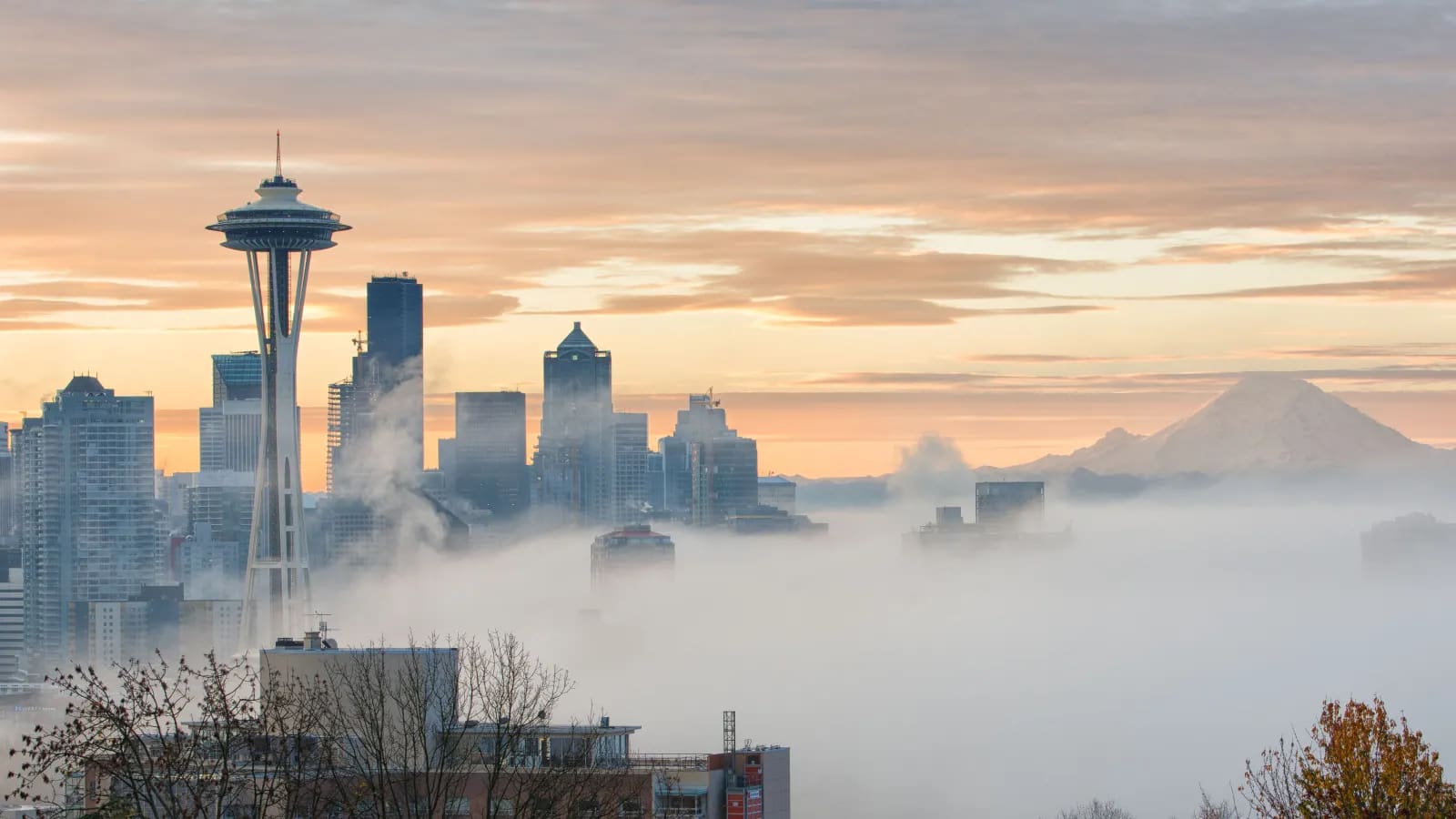
Seattle tops AAA's list of domestic Labor Day destinations, driven largely by cruise departures to Alaska. Anchorage also ranks high, reflecting the same pull. Both cities serve as embarkation points for voyages along the Inside Passage, and travelers often extend their stays to explore surrounding wilderness before or after their cruise.
Denver and Las Vegas occupy a different niche. These cities function as access points for visitors heading to Rocky Mountain, Arches, Zion, and Grand Canyon national parks. The convenience of flying into a major hub and driving a few hours to trailheads and canyon overlooks makes these gateways attractive, even when airfare and lodging both trend upward. Domestic flights will also cost more this Labor Day compared to last year, though international airfare and cruise pricing are moving in the opposite direction, offering some relief to travelers looking beyond U.S. borders.
Orlando and Boston round out the top destinations, appealing to different traveler types. Orlando continues to draw families with theme park itineraries, while Boston attracts those seeking urban culture mixed with coastal access. The range reflects a broad appetite for travel, but the consistent thread is experiential: people want to do something, see something, or reach somewhere that feels distinct from daily routine.
The Outdoor Momentum
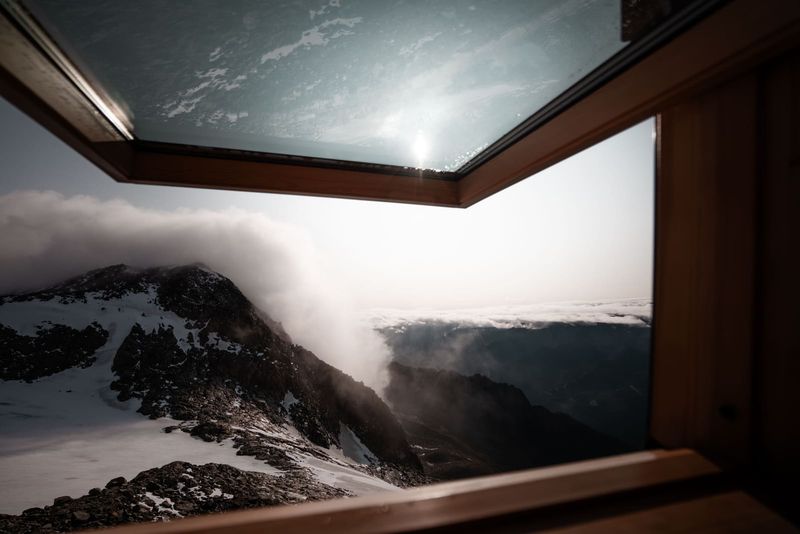
The emphasis on nature-oriented travel is not new, but it has deepened. Demand for outdoor accommodations and experiences accelerated during the pandemic and has held steady since. Travelers who once prioritized city breaks or beach resorts have increasingly added national parks, hiking routes, and wildlife viewing to their plans.
Hotel companies have responded. Marriott International, Hyatt, and Hilton have each launched or expanded brands designed around outdoor and adventure travel. These properties often sit near parks, lakes, or mountain ranges, and their design and amenities cater to guests who plan to spend most of their time outside. The shift is not limited to boutique operators or niche segments; major chains are committing capital and marketing resources to capture this audience.
Stacey Barber, vice president of AAA Travel, noted that travelers are chasing memorable experiences, and the destinations rising to the top this Labor Day reflect that priority. The comment aligns with broader industry observations: people are less interested in generic stays and more focused on trips that offer a clear sense of place or activity.
Why Travelers Keep Spending
Rising costs have not deterred travel plans, a trend that has surprised some analysts but remained consistent throughout 2026. Megan Cooper, a spokesperson for AAA, pointed out that Americans continue to prioritize vacations with family and friends, even as fuel, airfare, and lodging prices climb. Labor Day, in particular, holds symbolic weight as the unofficial close of summer, prompting many to book trips they might otherwise postpone.
Several factors support this resilience. Household savings accumulated during earlier years have not fully depleted, and employment levels remain relatively stable. For many, travel represents a key quality-of-life expense, not a discretionary luxury. The holiday weekend also offers a compressed window for a getaway, making it easier to justify the cost compared to a longer vacation that requires more time off work.
Additionally, the nature of the destinations matters. National parks and outdoor experiences often come with lower on-site spending than urban or resort vacations. Once travelers reach a park, daily costs can be modest: entrance fees, camping or budget lodging, and self-catered meals. The lodging spike occurs primarily in gateway cities, where supply is limited and demand concentrates around holiday weekends.
Regional Patterns and Shifts
The popularity of Alaska-related travel underscores a regional dynamic. Cruise itineraries to the state have grown in recent years, and operators have added capacity to meet demand. Seattle and Anchorage benefit directly, but the ripple effect extends to smaller towns along cruise routes and near parks. Lodging availability in these areas can be constrained, especially during peak summer and early fall months, which pushes rates higher.
The Rocky Mountain corridor, stretching from Colorado through Utah and into Arizona, sees similar pressure. Denver and Las Vegas serve as hubs, but towns closer to park entrances often experience even sharper rate increases due to limited inventory. Visitors who book late or arrive without reservations may find few options, particularly over holiday weekends.
Boston and Orlando represent more traditional markets with deeper lodging inventory, yet both still see rate growth during Labor Day. Boston's appeal spans history, food, and proximity to Cape Cod and coastal New England. Orlando's theme park dominance ensures consistent demand, and the long weekend allows families to maximize their visit without taking additional school days off, a consideration as the academic year begins.
What This Signals for the Industry
The Labor Day rate increases and sustained demand point to a few takeaways for the lodging sector. First, travelers remain willing to pay more for experiences they value, particularly those tied to nature, family time, and memorable settings. This willingness is not infinite, but it has proven more durable than early-year forecasts suggested.
Second, gateway cities and towns near outdoor attractions hold pricing power, especially during compressed travel windows like holiday weekends. Properties in these locations can command higher rates without losing bookings, a dynamic that may encourage further development or brand expansion in underserved markets.
Third, the outdoor travel trend is not a passing phase. It has reshaped where people go, what they expect from accommodations, and how hotel companies position their portfolios. Brands that can offer access to parks, trails, and natural landmarks are likely to see continued interest, even as urban and beach markets recover.
Labor Day 2026 will close out a summer defined by high costs and high demand. Travelers are choosing to go anyway, prioritizing the chance to see something new or spend time outdoors with people they care about. For the hotel industry, that choice translates into strong occupancy and rate growth, even as economic uncertainty lingers elsewhere. The final weekend of summer may be more expensive, but for many, it remains worth the price.