A Different Kind of Escape
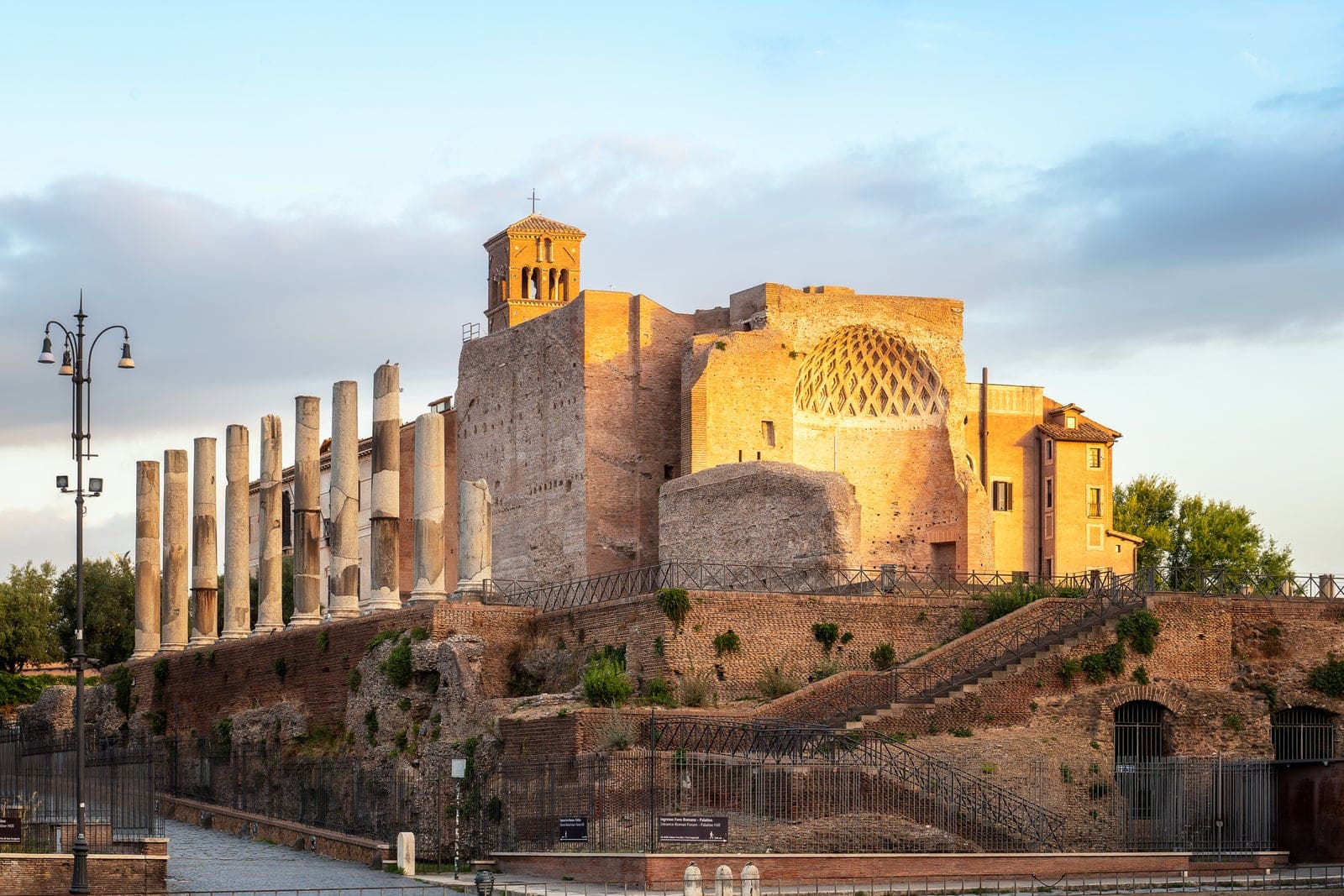
Rome is dealing with extreme heat this summer. Daily temperatures have been pushing past 39C, yet the city center still sees between 60,000 and 80,000 visitors each day. Most guidebooks suggest ducking into churches for relief, and the marble floors and thick walls do help. But there's a better option: going underground.
Below the churches and streets, beneath layers of accumulated history, Rome's subterranean archaeological sites stay consistently cool. Some areas drop to around 10C regardless of what's happening above ground. The temperature alone makes these places worth visiting, but that's hardly the only draw.
Nero's Forgotten Palace
The Domus Aurea sits entirely underground now, though it was once a sprawling pleasure palace covering up to 300 acres. After Emperor Nero died in 68 CE, Romans practiced what they called damnatio memoriae, essentially erasing him from public memory. They filled his palace with millions of tonnes of rubble, and it stayed buried for 1,400 years.
Today's guided tours wind through connected rooms where fragments of frescoes, marble, and mosaics remain visible. A virtual reality component helps visitors picture what the spaces looked like at full grandeur. The site opens Friday through Sunday only, and tickets sell out quickly. One guide showed up in a puffer jacket, scarf, and beanie, which seemed excessive until the tour group realized how cold it actually gets down there.
Layers of History at San Clemente
A few minutes from the Colosseum, the Basilica di San Clemente demonstrates how Rome built itself upward over time. The 12th-century basilica on top is worth seeing, but beneath it lies a 4th-century church. Go deeper still and you'll find a 1st-century apartment building alongside a Mithraeum, a temple dedicated to the Eastern god Mithras.
Water still flows through an ancient underground channel here, creating an atmospheric soundtrack in the dark, cave-like spaces. The upper basilica is free to enter; the excavations below require a ticket.
Patrician Houses Under Palazzo Valentini
Seven meters below a 19th-century palazzo near Trajan's Column, the Domus Romane show how wealthy Romans lived. The site uses light projections to illustrate what these houses looked like when they were occupied: floors covered in mosaics and marble, walls painted with frescoes, even a swimming pool.
Visitors walk on glass floors and look down into the ruins while the projections fill in the gaps. Because the site isn't as famous as the nearby Colosseum and Forum, timed-entry tours are still relatively easy to book. Some tours include a presentation about Trajan's Column, which is worth choosing if available.
Christian Burial Complexes on the Old Road
Outside the Aurelian Walls, along the Via Appia Antica, several early Christian catacombs extend multiple stories down into volcanic tuff stone. The catacombs of San Callisto, San Sebastiano, and Domitilla each offer something different. San Callisto is the largest but often the most crowded. San Sebastiano goes deeper underground. Domitilla contains well-preserved frescoes.
All three maintain temperatures around 15C. They rotate their closing days throughout the week, so checking schedules before planning a visit is necessary.
Papal Tombs Beneath St. Peter's
The Vatican Grottoes sit under the main floor of St. Peter's Basilica. Vaulted chambers hold the tombs of dozens of popes dating from the 10th to 16th centuries. By Rome's standards, that's relatively recent, but descending below the massive basilica still feels significant.
A gilded monument marks what's believed to be St. Peter's burial place. The other sarcophagi range from simple to ornate. Access is through the basilica interior, at the pier to the right of Bernini's Baldacchino. Look for signs marked "Tombe dei Papi." Like the basilica itself, entrance is free.
Why It Works
These underground sites solve two problems at once. They provide physical relief from heat that can make sightseeing miserable, and they offer perspectives on Roman history that surface-level monuments can't match. Seeing how the city built itself in layers, how it buried what it wanted to forget, and how everyday Romans lived gives context that standing in the Forum doesn't quite deliver.
The cool air is a bonus. The real reason to go underground is what you find there: spaces that have stayed mostly unchanged for centuries, protected by the very earth that covered them.