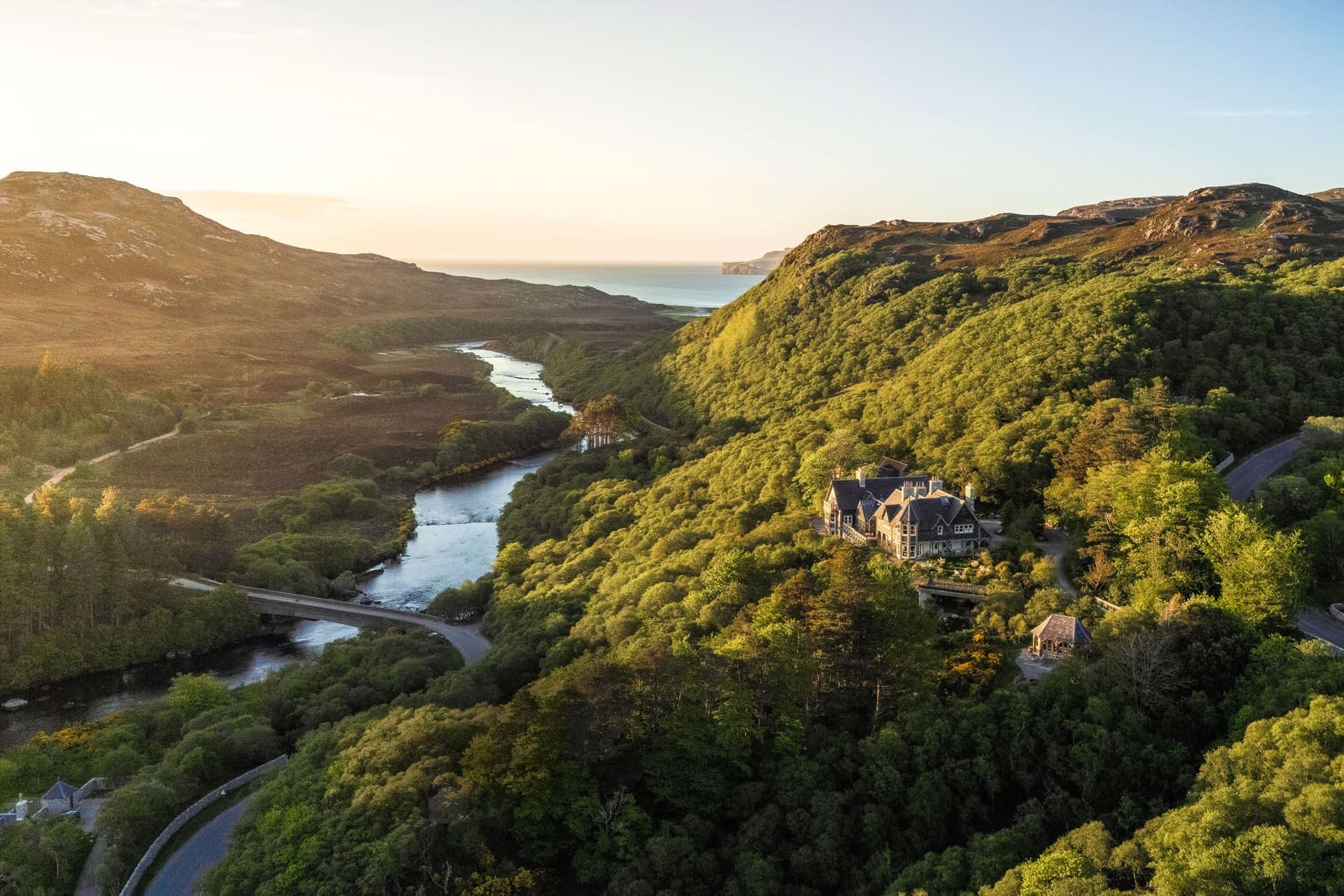
From Hunting Ground to Healing Ground
The stag heads mounted in Hope Lodge's games room are made of twisted willow, not flesh. Above each bed, tapestries bear ghostly leaf imprints instead of embroidered crests. The oil paintings lining the hallways show lambs, deer, and beetles, but no people, no fences, no buildings. The message is deliberate: this 1867 hunting lodge in the Scottish Highlands now exists to undo what it once celebrated.
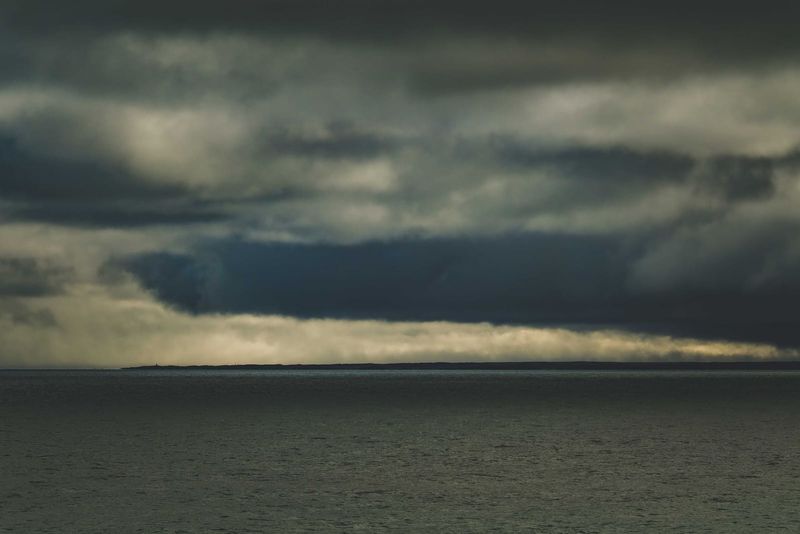
Hope Lodge is the hospitality face of WildLand, a conservation initiative founded by Danish fashion magnates Anders and Anne Holch Povlsen. The couple, who built the Bestseller fashion empire and now own more land in Scotland than anyone else, have staked a 200-year vision on restoring ecological balance across more than 225,000 acres spanning the Cairngorms, Loch Ness, and Sutherland. Hope, perched near the North Sea along the North Coast 500 route, reopened after a 13-year renovation that turned a Victorian shooting estate into something closer to a rewilding classroom.
The project is ambitious in scope and unsubtle in its symbolism. Where Victorian sportsmen once tracked red deer for trophies, today's guests walk into freezing lochs, hike past wild orchids, and sit through lectures on "geophony," the natural soundscape of wind and water. The shift is not just aesthetic. It reflects a broader reckoning with how Highland estates have shaped, and often damaged, Scotland's landscape over the past two centuries.
Architecture That Steps Lightly
To expand the lodge's capacity by 30 percent without expanding its footprint, architecture firm Gras repurposed existing structures. The Ferryman's and Keeper's Cottages were converted into guest accommodations. A former shepherd's home became the Clachan, housing offices, kitchens, staff quarters, check-in, a gym, and treatment rooms. An Cala, a two-bedroom cabin set apart from the main seven-bedroom lodge, takes cues from Scandinavian utility homes with raw materials, deep sinks, and a wooden bathtub.
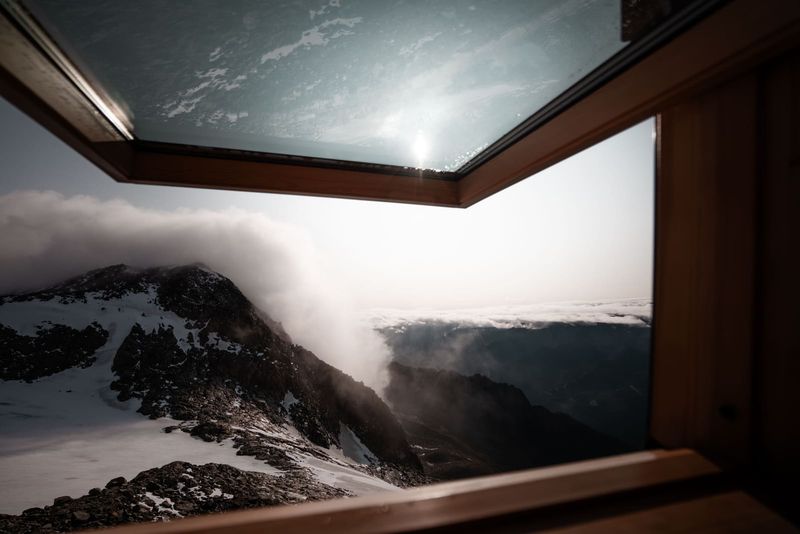
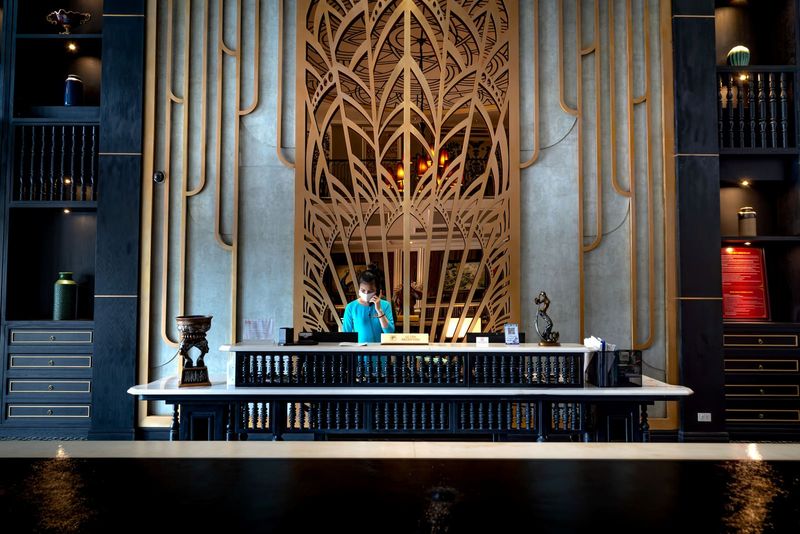
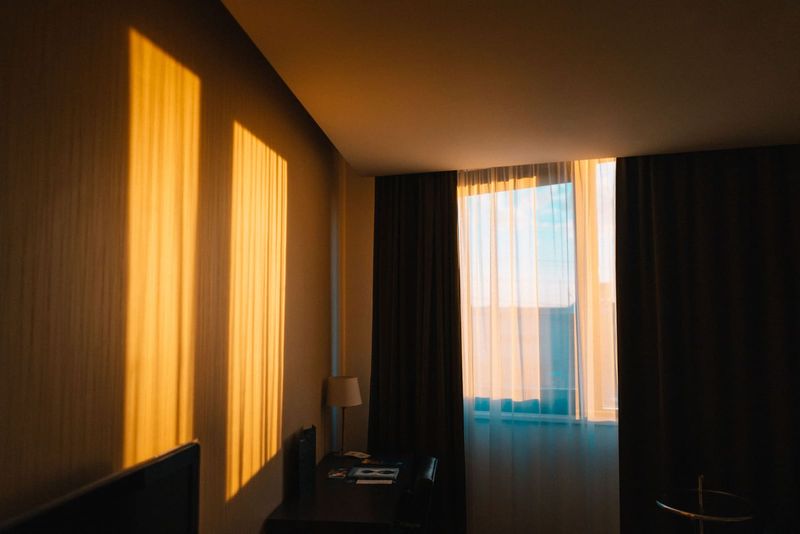
Interior designer Cécile & Boyd, known for work with African safari brand Singita, treated Hope like a Scottish safari lodge. Windows face forests of Caledonian pine, purple hills, and still lochs. Those textures repeat inside: a hand-stitched linen wall, a light fixture woven from heather, a basket-weave headboard. Antique locks and skirting boards sit alongside buttery leather folding chairs that recall expedition furniture. Scottish makers supplied handmade mattresses from Glencraft and cashmere duvet inners from Johnstons of Elgin. The library, curated by London bookseller John Sandoe, stocks vintage AA road maps and Robert the Bruce histories.
Paul van den Berg of Cécile & Boyd says the goal was to avoid anything self-conscious or trendy. The result feels rooted in place without tipping into tartan cliché.
Elemental Rhythms Replace Schedules
Hope organizes days around three "rhythms": earth, fire, and water. These themes shape activities and meals. An earth day might include a sound bath in a moss-textured underground room followed by roast chicken with morels. A water day starts with a plunge into a freezing loch, then a run to an outdoor sauna yurt. Lunch at a waterfall involves butterbean stew and a lesson in listening to the landscape's natural sounds.
The activities building stocks e-bikes, land yachts, paddleboards, and Land Rovers. Hazel, the gamekeeper's wife, breeds Highland ponies to accompany guests on picnics. Between scheduled outings, guests are encouraged to treat the lodge like their own home, pouring whisky, grabbing cookies from the breakfast nook, or playing pool.
The approach feels less like a hotel itinerary and more like an extended house party with an ecological syllabus.
The Deer Problem and the Apex Predator Argument
WildLand culls invasive sika deer, a practice that has drawn criticism. The team has reduced deer density from 22 per square meter to one. Lana Richardson, Hope's land and conservation coordinator, explains that the proliferation of hunting lodges in previous decades caused deer populations to explode. Overgrazing degraded the land. Without natural predators, humans must manage the population.
Twenty-one-year-old deerstalker Finlay Davidson sees his work as part of a multigenerational effort. He takes pride in contributing to a project that will outlast his career. The culling is framed not as sport but as ecological maintenance, a reversal of the Victorian-era logic that inflated deer numbers to satisfy hunters.
The argument is pragmatic, though it sits uncomfortably alongside the lodge's anti-hunting ethos. WildLand is betting that guests will accept the contradiction if they understand the larger goal: a landscape that can sustain itself without constant human intervention, eventually.
A 200-Year Bet on Rewilding
WildLand's timeline stretches across two centuries. The Povlsens are not the first wealthy outsiders to reshape the Highlands, but their vision is different from the sporting estates that preceded them. Those estates prioritized game for shooting. WildLand prioritizes ecological resilience, with hospitality as a funding mechanism and education tool.
Hope Lodge is one of several properties in the WildLand portfolio, which includes Aldourie Castle, Lundies House, and Kinloch Lodge. Each property functions as both a business and a demonstration site for what the land could become if given time and careful management.
The model depends on attracting guests willing to pay premium rates for the experience. Doubles at Hope start at £1,550 per night, full board and activities included. Cottages begin at £800 per night, self-catering. The pricing reflects the property's exclusivity and the cost of maintaining a conservation project at this scale.
What Healing Looks Like in Practice
Hope Lodge does not hide its purpose. Every design choice, every activity, every conversation with staff reinforces the message: this land was damaged, and it is being repaired. Guests are invited to witness and participate in that repair, whether by learning to identify native plants on a hike or sitting quietly in a room designed to make them feel small and attentive.
The language around the project leans toward the spiritual. Van den Berg talks about "healing ourselves." The rhythms are meant to reconnect guests with elemental forces. The library and artwork emphasize continuity with the past, even as the estate breaks from its own history.
Whether this approach resonates depends on what guests want from a Highland stay. Those looking for a traditional shooting lodge will find something unrecognizable. Those drawn to conservation tourism will find a project willing to make bold claims about its own significance.
The 200-year timeline is both a promise and a hedge. It acknowledges that rewilding cannot be rushed and that the results may not be fully visible for generations. It also insulates the project from short-term criticism. WildLand is asking visitors to trust a process that extends far beyond any single visit, or any single lifetime.
Hope Lodge bets that enough people will want to be part of that story, even if they will never see how it ends.