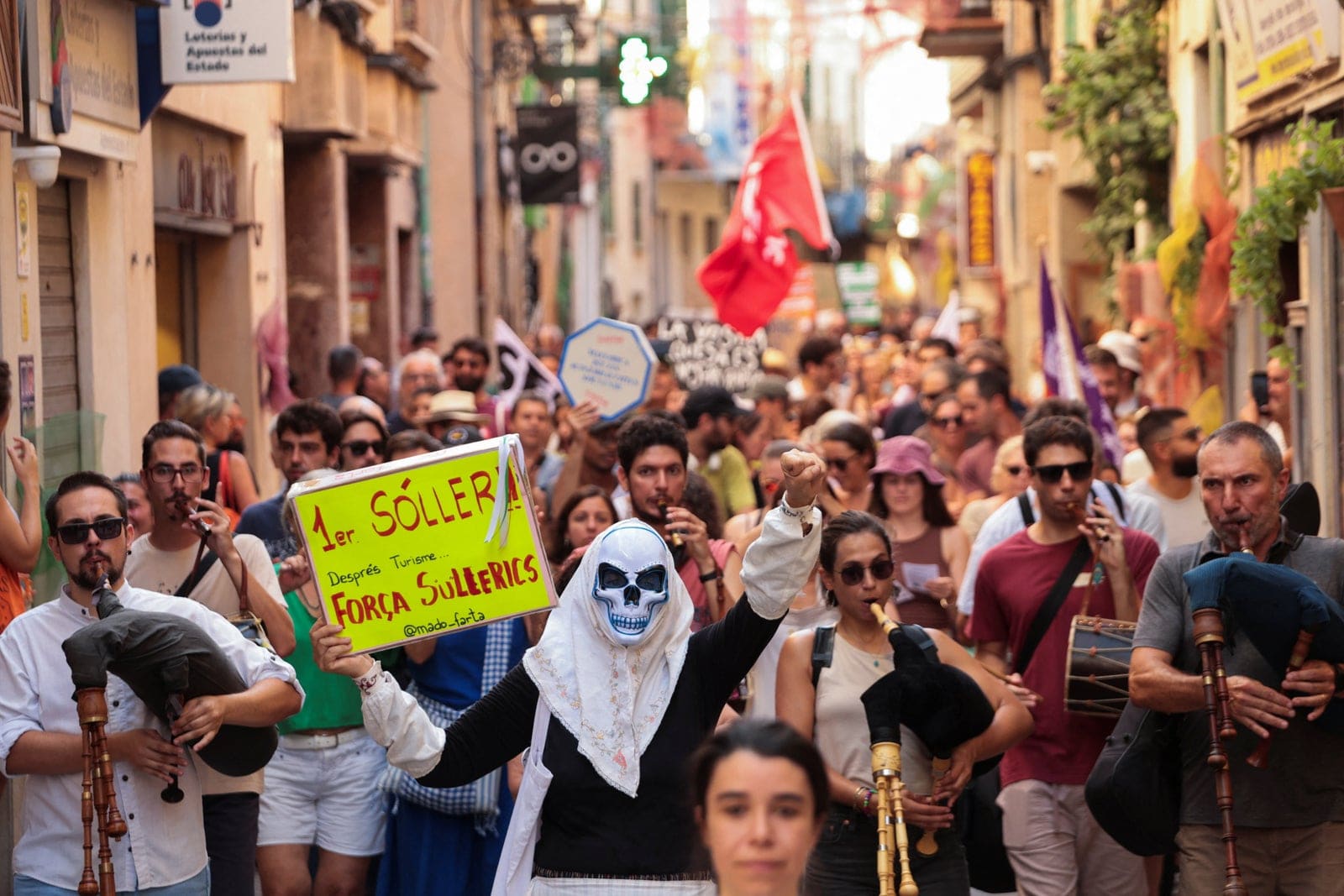
A Second Wave of Protest
On a Saturday afternoon in early August, roughly a thousand residents walked through the centre of Sóller, a northwest Mallorca town known for its citrus groves and vintage tram line. The march, organised by the Sóller Youth Movement and the coalition Less Tourism, More Life, started at Plaça dels Estiradors and wound down Carrer de la Lluna before stopping at the town hall.
The Guardia Civil counted about a thousand participants; organisers said closer to twenty-five hundred turned out. Either way, the demonstration marked the second significant protest on the island in as many weeks. In late July, tens of thousands had gathered in the capital, Palma, voicing similar frustrations about visitor volumes and their impact on daily life.
What Residents Say They Are Losing
Outside the town hall, campaigners read a manifesto listing specific grievances. University students in Sóller report arriving late to class because roads clog with tour coaches and hire cars. Working families say rental prices have climbed beyond reach, pushing long-time residents out of the town centre. Independent shops have closed, replaced by outlets that cater only to visitors.
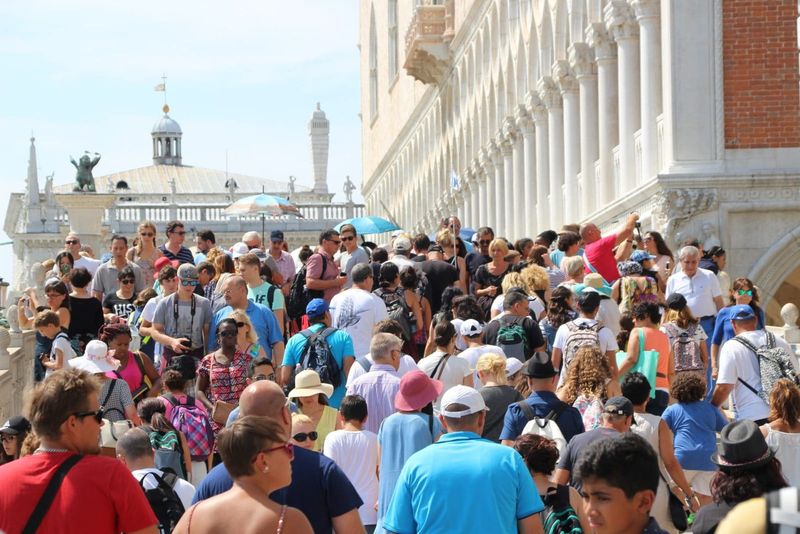
Locals also described avoiding their own public spaces in summer. The manifesto noted that many residents no longer go to the port or the main square during peak months. Environmental concerns featured, too: protesters pointed to boat traffic in the bay, which they argue harms marine ecosystems around the island's coast.
Sofía, speaking for the youth movement, clarified the group's position. The protest is not about rejecting visitors outright, she said, but about challenging an economic model that treats tourism as the only industry worth supporting. That model, she argued, makes residents feel like guests in their own neighbourhoods, locks them out of the housing market, and reduces local culture to decoration.
Policy Responses So Far
Mallorca's local authorities have begun testing measures to address some of these complaints. Last year, Palma's mayor announced a ban on all types of tourist rentals in the capital, aiming to free up housing stock and crack down on illegal short-term lets. Sóller itself introduced resident-only traffic zones in parts of the town centre, directing visitors to designated car parks on the periphery.
Whether these steps will be enough remains an open question. The protests suggest that many islanders believe the interventions are too limited or too slow. Across Spain's other popular islands and coastal regions, similar demonstrations have become a regular feature of the summer calendar.
A Wider Pattern
Mallorca is not alone. Over the past few summers, residents in Barcelona, the Canary Islands, and coastal Andalusia have organised rallies, erected banners, and called for visitor caps. The complaints share common threads: housing shortages driven by short-term rental conversions, overcrowded infrastructure, environmental degradation, and a sense that local needs come second to the demands of the tourism economy.
The August protest in Sóller adds to that pattern. It also underscores a shift in tone. Where earlier campaigns often focused on specific sites or seasons, the current wave of activism questions the underlying structure of the regional economy. Protesters are asking whether year-round dependence on visitor spending is sustainable, and what happens to communities when every square metre of public space is designed for people passing through.
What Comes Next
The organisers in Sóller have called on local and regional institutions to meet what they describe as constitutional obligations to residents. That language signals a move beyond polite requests: campaigners are framing housing access, environmental stewardship, and cultural preservation as rights, not amenities.
Market stalls and shop displays were cleared from the protest route at the government's request, a safety measure that also hinted at official nervousness. The authorities are caught between two pressures: an industry that generates significant revenue and employment, and a resident population increasingly willing to challenge the terms of that arrangement.
For now, the marches continue. The question is whether they will translate into policy changes that address the root causes, or whether they will remain a seasonal ritual, a way for communities to register dissent without fundamentally altering the economic model that shapes their lives.