A New Force in Budget Travel
South Korea's low-cost airline sector is consolidating. Three carriers that have competed for years on overlapping routes are joining forces, and the result will be the country's largest budget airline by fleet size.
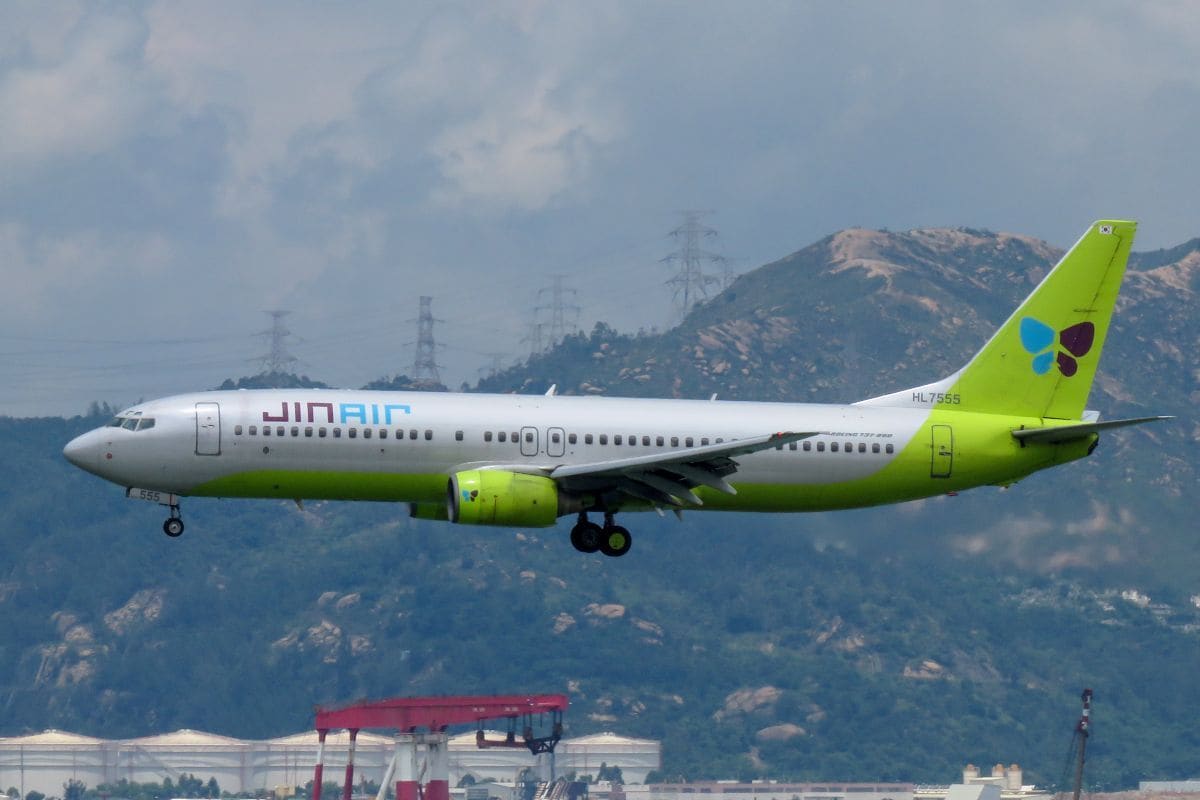
Jin Air, Air Busan, and Air Seoul have agreed to merge under the Jin Air brand, according to the Korea Herald. The boards of all three airlines approved the deal and signed the merger agreement on Friday. If regulators and shareholders sign off, the combined carrier will begin operations on March 17, 2027.
The new Jin Air will control 58 aircraft, pulling together three airlines that currently operate from different bases and serve different networks. Jin Air has traditionally focused on medium-haul international routes out of Seoul, while Air Busan operates primarily from the southern port city of Busan, and Air Seoul has carved out a niche on shorter regional connections.
Why Three Became One
The merger is the logical endpoint of a much larger corporate realignment. When Korean Air took majority control of Asiana Airlines in December 2024, it also inherited Asiana's low-cost subsidiaries: Air Busan and Air Seoul. Korean Air already owned Jin Air. That left the flag carrier managing three separate budget brands, each with its own fleet, staff, and operating structure.
Running three overlapping low-cost operations makes little sense in a market where budget carriers already face thin margins and intense competition. Consolidation reduces overhead, simplifies fleet management, and concentrates marketing spending. It also eliminates internal competition, a dynamic that has quietly undermined profitability for all three carriers.
The formal merger of Korean Air and Asiana is scheduled to take effect on December 17, closing a deal that has reshaped the entire South Korean aviation industry. The low-cost consolidation is the next chapter in that story.
What It Means for Travelers
For passengers, the merger presents a mixed picture. On one hand, a larger airline can offer more frequent service, wider network reach, and potentially better operational reliability. A 58-plane fleet gives the new Jin Air more flexibility to adjust capacity, launch new routes, and recover quickly from disruptions.
On the other hand, consolidation reduces choice. Three brands competing on the same routes often meant lower fares, especially during promotional periods. With those brands now under one roof, pricing pressure may ease. Independent rivals like Jeju Air and Trinity Airways will face a significantly larger competitor, and their ability to match frequencies or undercut prices could be tested.
Regulatory authorities will likely scrutinize the deal for its impact on competition, particularly on domestic routes where the three airlines currently overlap. South Korea's Fair Trade Commission may impose conditions, such as capacity commitments or fare caps, to protect consumers.
A Tougher Landscape for Rivals
The merger also changes the competitive math for other low-cost carriers in the region. A 58-aircraft Jin Air backed by Korean Air has more financial muscle, better access to slots at congested airports, and stronger negotiating power with suppliers and travel agencies.
Jeju Air, the country's largest independent budget carrier, has built its business on high-frequency domestic service and select international routes. It will now face a rival with deeper pockets and a more extensive network. Trinity Airways, a newer entrant, will have to carve out space in a market where the dominant player just got significantly bigger.
The merger also affects short-haul international routes, particularly to Japan, China, and Southeast Asia. These markets are highly competitive, with carriers from multiple countries vying for leisure and business travelers. A consolidated Jin Air can deploy aircraft more efficiently across these routes, adjusting schedules and fares to maximize load factors.
The Bigger Picture
South Korea's aviation market has long been fragmented, with multiple full-service and low-cost carriers competing for a relatively small domestic market and a crowded regional network. The Korean Air-Asiana merger, combined with the low-cost consolidation, represents a shift toward concentration.
For travelers, the short-term impact will depend on how regulators handle the deal and how rivals respond. If the new Jin Air uses its scale to expand service and keep fares competitive, passengers could benefit. If consolidation leads to reduced frequencies and higher prices on key routes, the outcome will be less favorable.
The March 2027 launch date gives competitors time to adjust. It also gives regulators time to set conditions that balance the carrier's operational efficiency with the public interest in maintaining competitive fares and service options.
What happens next will shape the South Korean travel market for years to come.