A Single Low-Cost Operator by Spring
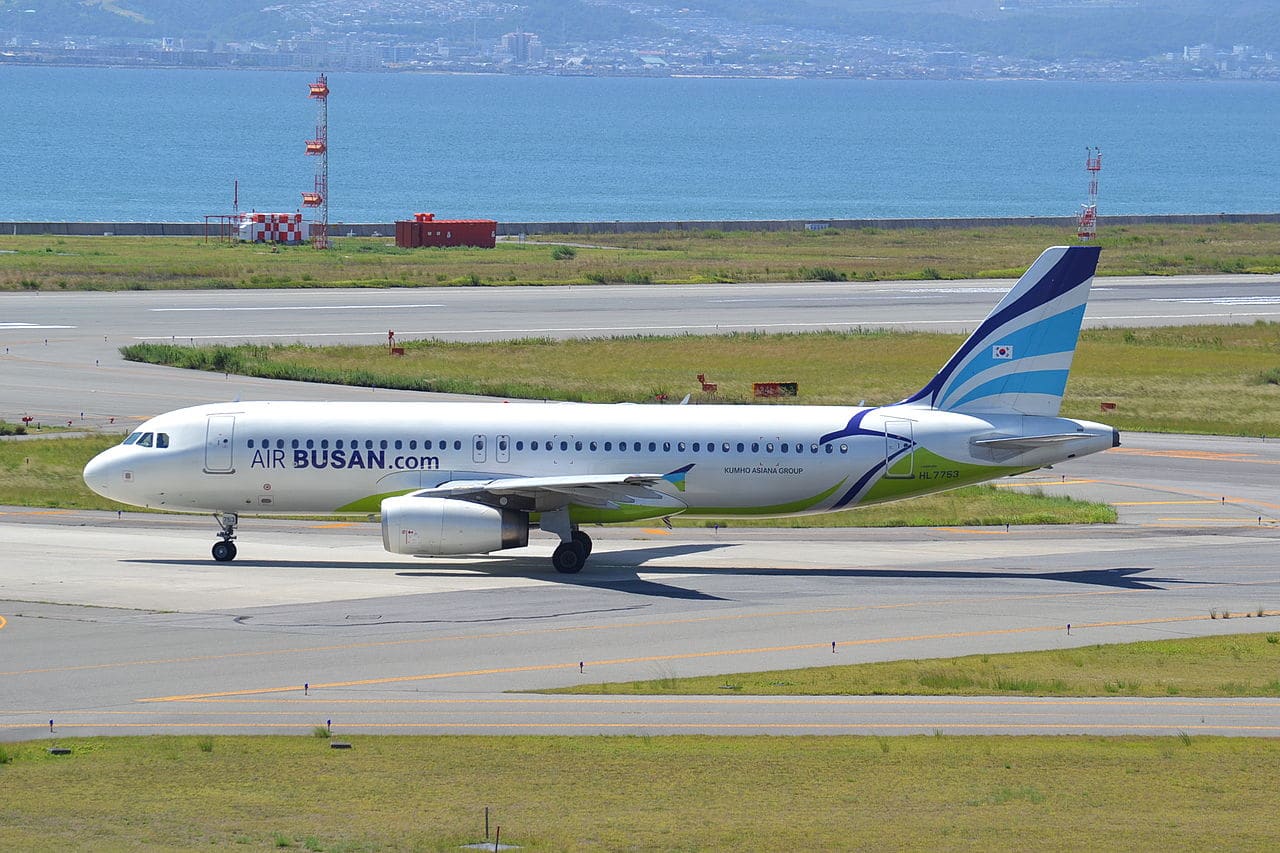
South Korea's budget aviation sector is about to shrink by two carriers. Jin Air, Air Busan, and Air Seoul have signed a merger agreement that will see all three operate under the Jin Air name starting 17 March 2027. The boards approved the deal in late August, setting in motion a consolidation that mirrors the broader reshaping of Korean aviation under parent group Hanjin.
The merger ratio values Jin Air shares more highly than its soon-to-be partners: each Air Seoul share will convert to 0.75 Jin Air shares, while Air Busan shareholders will receive 0.29 shares for every one they hold. Jin Air will absorb the assets, liabilities, employees, and legal obligations of both airlines, folding their operations into a single entity.
Regulatory Hurdles Before Takeoff
The March timeline depends on clearing several gates. Shareholders at all three carriers will vote on the merger in December. Regulatory approval from South Korean authorities is also required, along with a unified Air Operator Certificate from the Ministry of Land, Infrastructure, and Transport. That certificate is essential for combining the three fleets and operating them under one safety framework.
Jin Air has already begun integrating manuals and training protocols across the three airlines, preparing personnel for a phased consolidation. A safety inspection will scrutinize whether the merged carrier meets the standards necessary to fly 58 aircraft under a single operational umbrella.
The Bigger Picture
This merger is not happening in isolation. Hanjin's flagship carrier, Korean Air, completed its acquisition of a majority stake in Asiana Airlines at the end of 2024, with that merger scheduled to close in December 2026. Jin Air originally belonged to Korean Air, while Air Busan and Air Seoul were Asiana subsidiaries. Once Korean Air and Asiana become one, their low-cost arms naturally follow.
The combined Jin Air aims to offer passengers more flight options and smoother connections, along with a unified loyalty program. The carrier has positioned the merger as a foundation for competing across Asia's crowded budget market, emphasizing safety as the top priority during integration.
What Travelers Should Watch
Details on ticket pricing and how existing bookings will be handled remain unclear. Passengers holding tickets for flights after mid-March 2027 on Air Busan or Air Seoul have not yet received guidance on whether their reservations will transfer seamlessly or require rebooking. The unified loyalty program could appeal to frequent flyers who previously juggled separate accounts, but the practical mechanics have not been disclosed.
South Korea's low-cost sector has grown rapidly over the past decade, with multiple carriers competing on regional routes across East and Southeast Asia. Consolidation may bring operational efficiencies and cost savings, but it also reduces the number of independent players in a market where price competition has been fierce. Whether the new Jin Air can deliver lower fares or simply maintain current pricing while improving margins will depend on how it manages the integration and what competitive pressures it faces from other budget airlines in the region.
The next few months will test whether the three carriers can merge their cultures, systems, and fleets without disrupting service. If the December votes and regulatory approvals go as planned, travelers will see a reshaped Korean budget aviation landscape by spring.