A Rare Celestial Opening
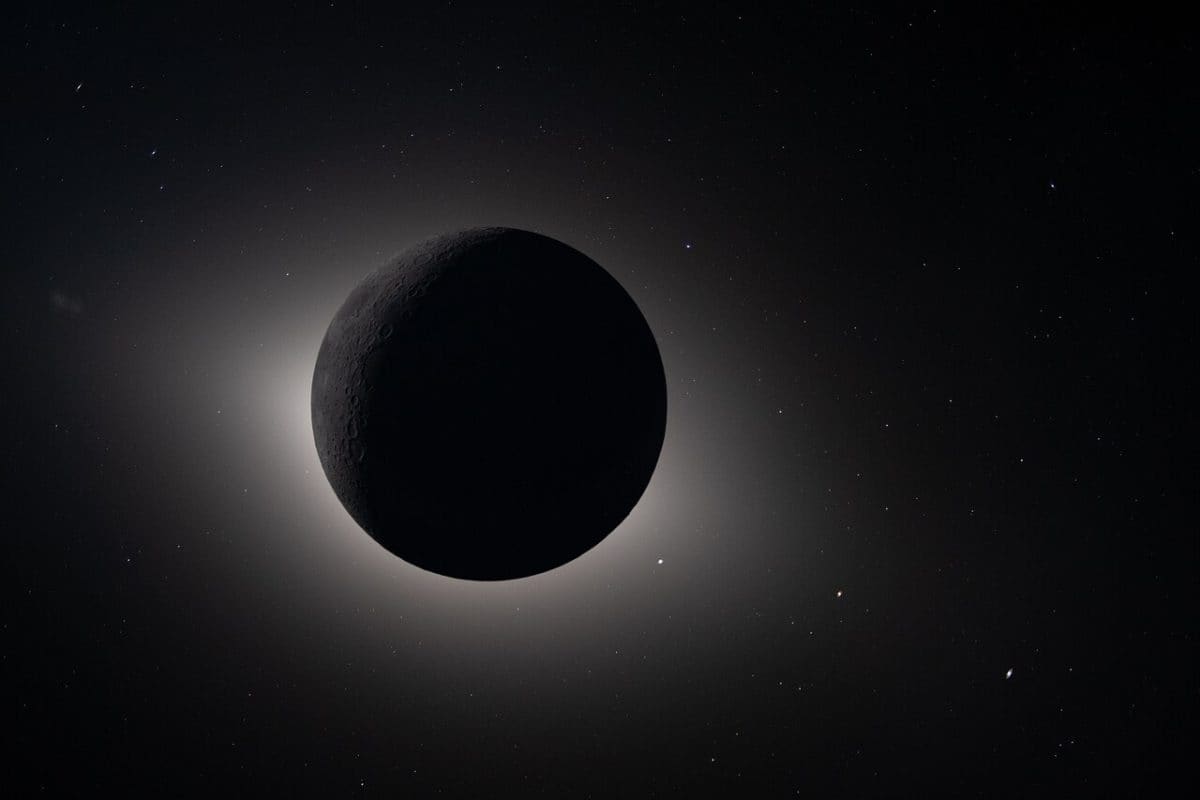
On August 12, a total solar eclipse will carve a path across Spain, plunging parts of the country into darkness for roughly two minutes. It is the kind of event that draws crowds from around the world, people willing to travel thousands of miles for a fleeting encounter with the cosmos. For Spain, it arrives at a complicated moment.
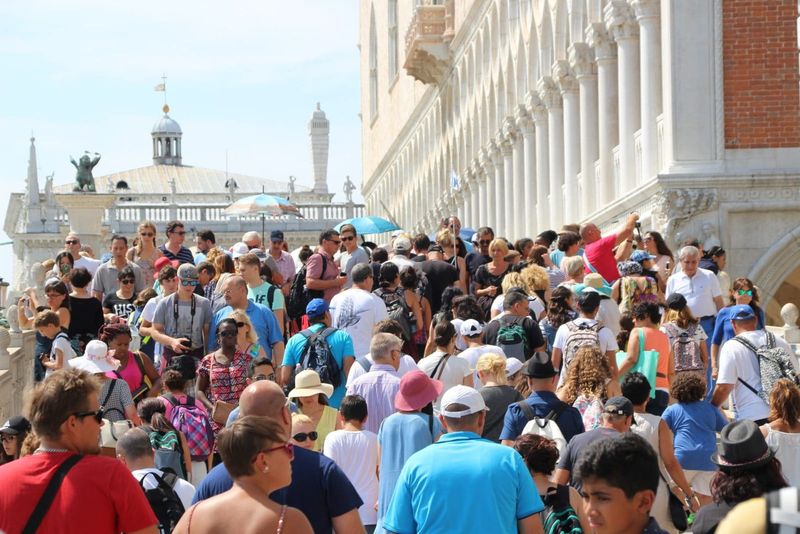
The country has spent the summer managing extremes. Temperatures have soared past 100 degrees Fahrenheit in multiple regions. Wildfires, fueled in part by the heat, have forced tens of thousands to evacuate. And beneath it all, tensions over tourism have continued to simmer, particularly in places like Mallorca where locals have staged protests against the sheer volume of visitors.
Now, with the eclipse days away, officials are holding their breath. Miguel Sanz, president of the European Travel Commission and head of Turespaña, Spain's national tourism institute, put it plainly: the government has not promoted the eclipse. The goal, he explained, is to avoid being overwhelmed by domestic and international travelers descending on the country all at once, especially with ongoing fire evacuations.
Yet the eclipse also represents something Spain badly needs: a reason for people to go somewhere other than the coast.
The Coast Problem
Spain's tourism model has long been lopsided. The Mediterranean shoreline, with its beaches and resorts, absorbs the bulk of international arrivals. Cities like Barcelona and island destinations like Mallorca have become flashpoints for overtourism, where the infrastructure struggles to keep pace with demand and residents push back against the disruption.
Inland Spain, by contrast, remains relatively undiscovered. Cities with rich histories, dramatic landscapes, and cultural depth see a fraction of the visitors. The eclipse corridor, which will pass over several of these lesser-known areas, offers a natural opportunity to redistribute demand.
The challenge is that Spain cannot control who shows up or where they go. The path of totality is fixed, and astrotourism tends to concentrate heavily along that narrow band. If the eclipse draws millions, as some projections suggest, the country could face the very congestion it hopes to avoid, only in places less equipped to handle it.
A Three-Eclipse Window
Spain is not looking at a single event. Between now and 2028, three eclipses will pass over the country, giving officials a rare multi-year window to build a strategy around celestial timing. The August 12 eclipse is the first. Two more will follow in 2027 and 2028, each offering another chance to refine the approach and direct visitors toward underutilized regions.
This is where the real opportunity lies. Eclipses are low-cost tourism drivers. They require no new infrastructure, no marketing budget, no construction. The event markets itself. The question is whether Spain can use that attention to reshape travel patterns in a lasting way, turning one-time eclipse chasers into repeat visitors who return for the landscape, the food, the history.
Sanz and other officials are betting that it can. But the infrastructure and coordination required to make that happen are still being put in place. Regional governments, local tourism boards, and national authorities are working to align messaging, manage capacity, and ensure that the influx does not overwhelm small towns along the eclipse path.
The Timing Dilemma
The timing of the first eclipse complicates things. August is already Spain's busiest travel month. Hotels along the coast are typically full. Flights are packed. Adding an eclipse into the mix risks pushing the system past its limits, particularly in a year when wildfires have already disrupted travel and displaced residents.
There is also the matter of expectations. Eclipses are unpredictable in their draw. Some attract enormous crowds; others, despite similar visibility, do not. Spain's officials are preparing for the former while hoping for something more manageable.
If the event goes smoothly, it could serve as a proof of concept for the two eclipses to come. If it does not, if the crowds overwhelm local services or exacerbate tensions in already strained areas, the backlash could make future eclipse tourism harder to manage.
What Comes Next
The long-term question is whether eclipse tourism can actually shift behavior. Visitors who come for an eclipse are often highly motivated and well-informed. They plan trips months in advance, book accommodations early, and are willing to travel to remote locations. That makes them a different audience than the typical beach vacationer.
If Spain can capture that audience and give them a reason to return beyond the eclipse, inland regions could see sustained growth. But that requires more than just clear skies on August 12. It requires investment in storytelling, in infrastructure, in the kind of experiences that make a place worth visiting when there is no celestial event on the calendar.
For now, Spain is focused on getting through the next few days. The fires are still burning. The heat is still oppressive. And in a matter of hours, the moon will slide in front of the sun, and millions of people will look up.
Whether they stay, and where they go next, will determine if this eclipse was a fleeting spectacle or the start of something more durable.