The Race for the Top Spot
Spain is closing the gap on France in the global tourism rankings, with international arrivals climbing steadily and projections suggesting the Mediterranean nation could claim the world's most-visited title within two decades. A 2024 forecast by Google and Deloitte put Spain's annual visitor count on course to reach 110 million, a figure that would position it ahead of its northern neighbour if current trends hold.
France still holds the crown. The OECD's Tourism Trends and Policies 2026 report confirms that France remains the most-visited country globally, drawing travellers from neighbouring Germany, Belgium and the UK in the largest numbers. But its lead is narrowing, and Spain's momentum shows few signs of slowing.
The question has shifted from whether Spain can overtake France to how it will manage the influx. Infrastructure, housing and environmental pressures are already visible in popular coastal zones and island destinations, and the Spanish government has begun responding with policy adjustments aimed at spreading visitor flows and reducing strain on overtouristed areas.
Why France Still Leads
France's appeal spans a broad geography and a wide range of interests. According to Hannah Free, a travel and tourism analyst at GlobalData, the country forms part of a trio with Italy and Spain that drives much of Western Europe's tourism growth. Its draw extends well beyond the continent: visitors from China and the United States rank among the top long-haul markets.
Data from Atout France shows that overnight stays by American visitors rose by more than 10 per cent in 2025 compared with the previous year, underlining the country's ability to attract travellers from across the Atlantic. The UK, Germany and Belgium remain the largest sources of international arrivals, reflecting France's centrality in European travel patterns and its accessibility by road, rail and short-haul air routes.
The country's tourism infrastructure is mature, with well-established transport links, a diverse accommodation base and decades of experience managing high volumes. That experience gives France a structural advantage, even as Spain's numbers climb.
Spain's Sustained Growth
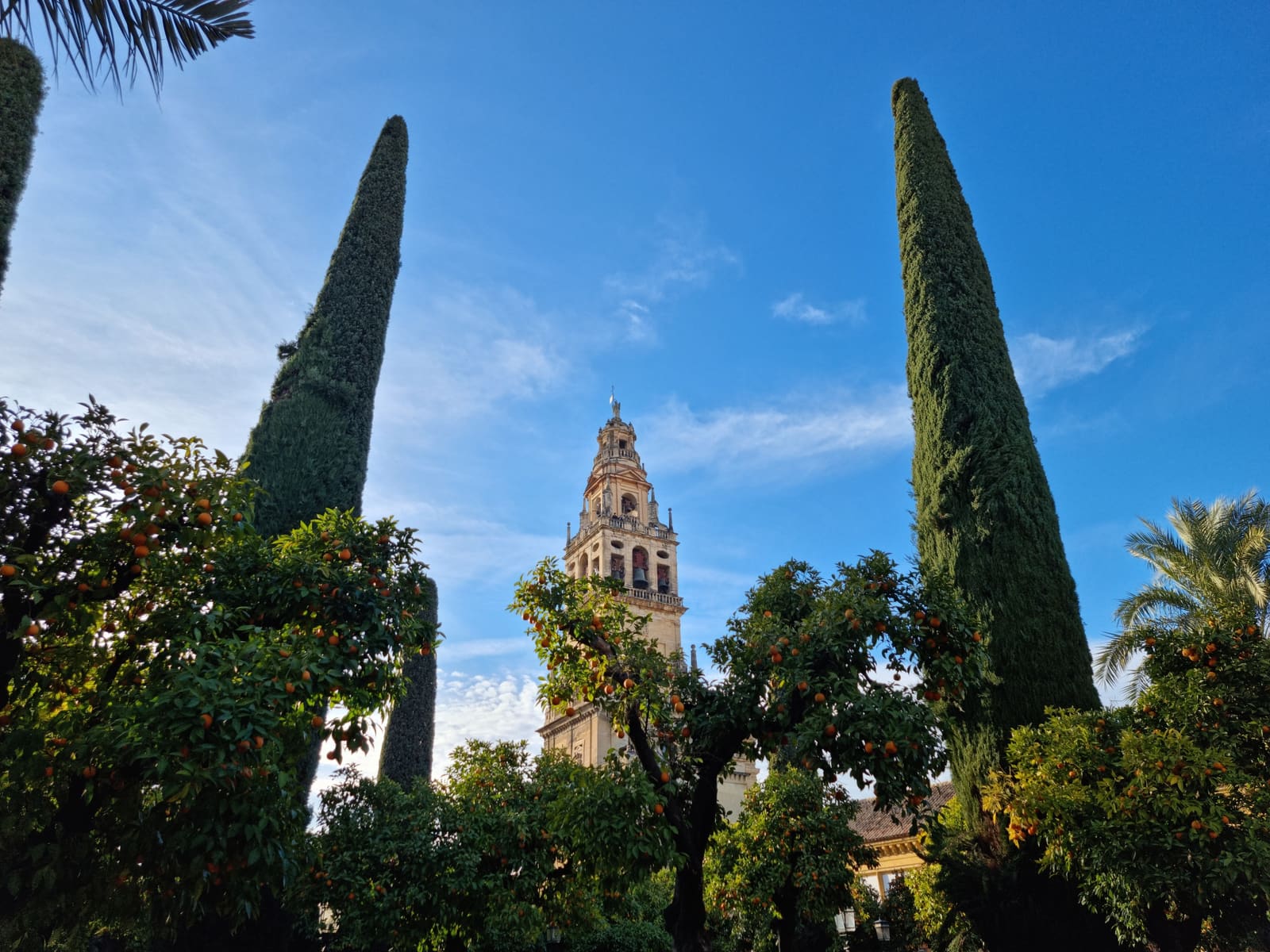
Spain has been setting new tourism records year after year. International arrivals have risen consistently, driven by a combination of affordable air access, a favourable climate, cultural assets and a hospitality sector that has expanded rapidly to meet demand. The country's appeal is broad: beach resorts on the Mediterranean and Atlantic coasts, urban destinations such as Barcelona and Madrid, and inland regions with heritage sites and culinary traditions.
The forecast of 110 million annual visitors, published by Google and Deloitte in 2024, reflects the trajectory Spain has been on for several years. If that figure is reached, Spain would surpass France's current visitor count, assuming France's growth remains relatively flat. The timeline suggested for this shift is 2040, though much depends on economic conditions, air capacity and policy decisions in both countries.
Spain's tourism sector has become a central pillar of its economy, contributing significantly to employment and GDP. But the scale of growth has also brought challenges. Housing affordability in cities such as Barcelona and Palma has been affected by short-term rental markets, and environmental concerns have emerged in coastal areas where water resources and waste management systems are under pressure.
A New Strategy to Manage the Pressure
In October 2025, the Spanish government approved its Tourism Strategy 2030, a policy framework designed to address some of the strains associated with high visitor volumes. The strategy emphasises sustainable tourism practices and aims to encourage travellers to explore regions that have historically received fewer international arrivals.
The approach involves promoting inland destinations, lesser-known cities and rural areas, as well as supporting infrastructure improvements in those regions to make them more accessible and attractive. The goal is to reduce the concentration of visitors in a handful of hotspots and distribute economic benefits more evenly across the country.
The strategy also includes measures to improve the quality of tourism rather than simply increasing quantity. This involves encouraging longer stays, higher spending per visitor and travel outside peak summer months. Whether these measures will be sufficient to manage the projected growth remains uncertain, but they signal a recognition that the current model cannot continue indefinitely without consequences.
What the Shift Means for European Tourism
If Spain does overtake France by 2040, the change would reflect broader shifts in European travel patterns. Spain's growth has been fuelled in part by the expansion of low-cost carriers, which have made the country accessible to a wider range of travellers and opened up secondary airports across the country. France, by contrast, has a more centralised aviation network, with Paris dominating international arrivals.
The rise of Spain also reflects changing preferences among travellers. Beach and sun destinations have remained popular, particularly among northern European visitors seeking warmer climates. Spain's coastal regions have benefited from this demand, while France's tourism offer is more diversified across urban, rural and coastal areas.
For the wider European tourism sector, the competition between Spain and France highlights the need for infrastructure investment and sustainable planning. Both countries face similar challenges: managing visitor volumes, protecting natural and cultural assets, and ensuring that tourism benefits local communities rather than displacing them.
The Road Ahead
Spain's path to the top spot is not guaranteed. Economic downturns, shifts in air capacity, changes in visa policies or environmental crises could all affect visitor flows. France, meanwhile, is not standing still. The country continues to invest in tourism infrastructure and marketing, and its appeal to long-haul markets such as the United States and China gives it a buffer against regional fluctuations.
What is clear is that Spain's popularity is not fading. The country continues to attract record numbers of international visitors, and the forecast of 110 million annual arrivals suggests that growth will persist for years to come. Whether that growth can be managed in a way that preserves the qualities that make Spain attractive in the first place will depend on the success of policies such as the Tourism Strategy 2030 and the willingness of regional and local governments to implement them effectively.
The competition for the title of world's most-visited country is less about prestige and more about the practical challenges of managing large-scale tourism. Spain is learning that lesson as it climbs the rankings, and the decisions it makes in the next decade will shape not only its own tourism sector but also the broader conversation about sustainable travel in Europe.