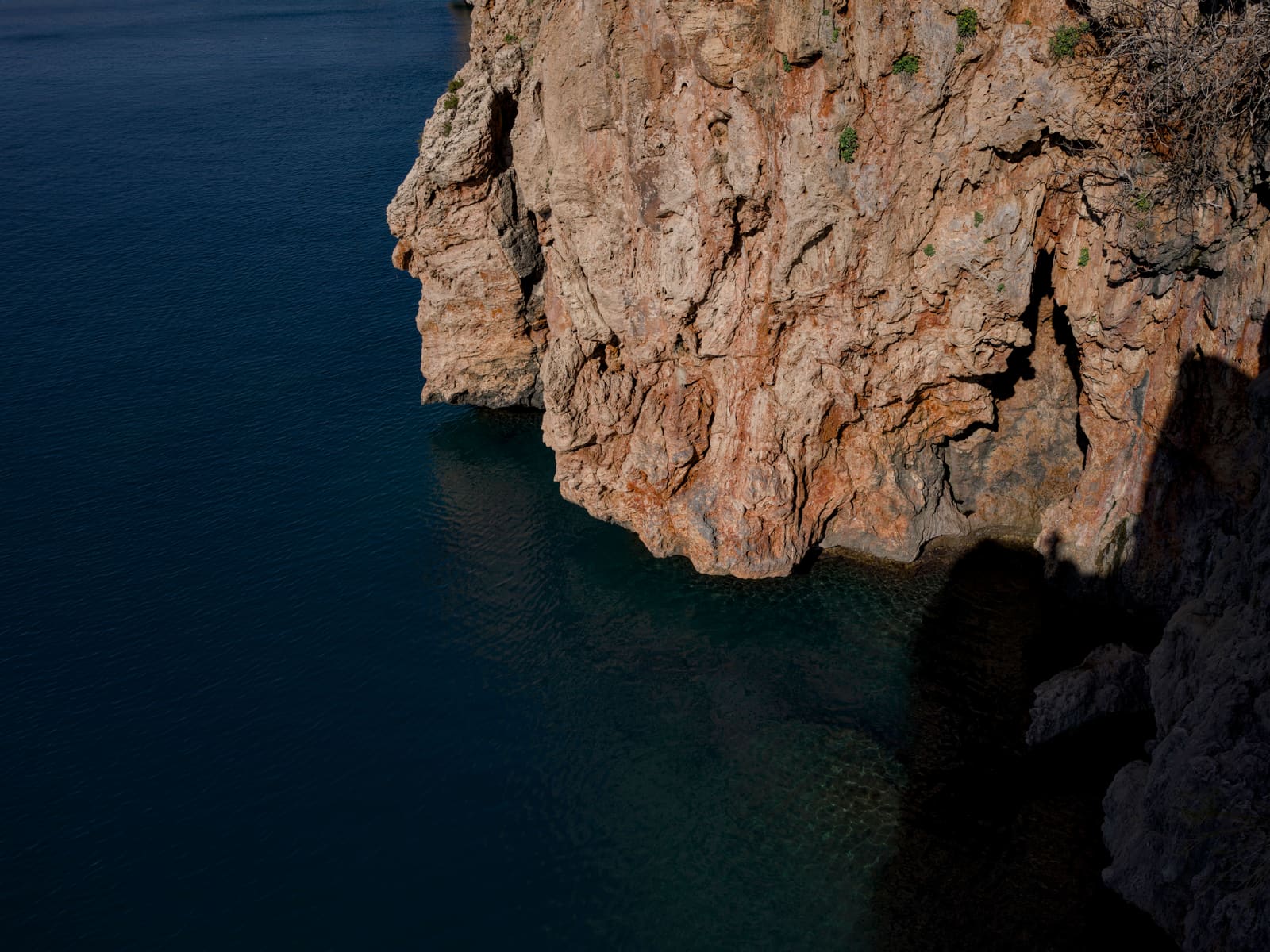
A Quieter Stretch of Italian Coast
Sperlonga, a coastal settlement midway between Rome and Naples, has been named Europe's best beach destination for 2026 in a readers' choice survey. The town sits on a promontory overlooking the Tyrrhenian Sea, its white-painted centre perched above kilometres of sandy coastline. Unlike the Amalfi Coast or Cinque Terre, which draw coach-loads of international visitors each summer, Sperlonga remains best known among Romans seeking a weekend by the sea.
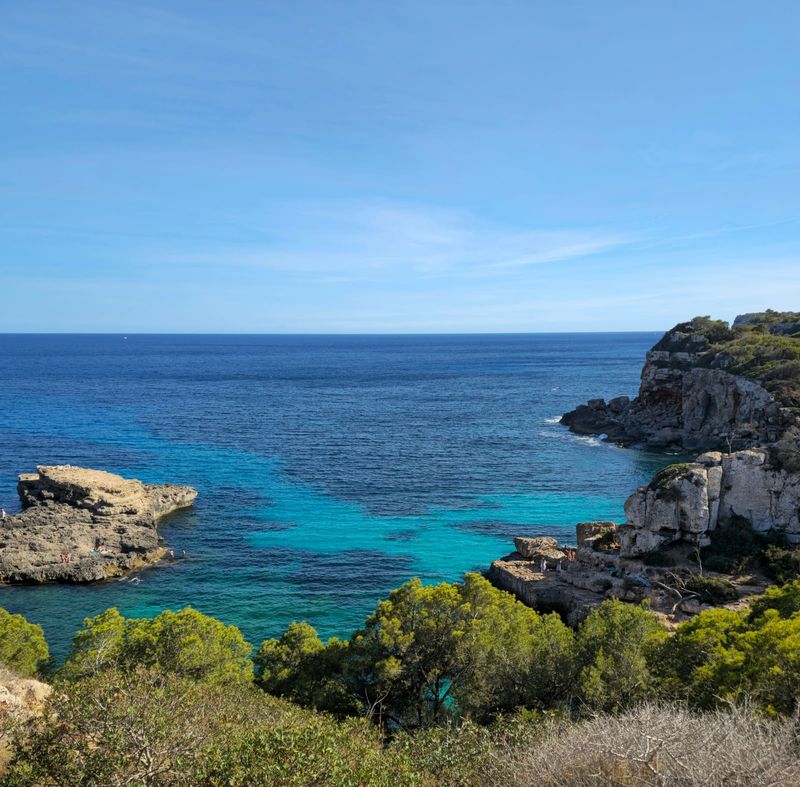
The recognition may shift that balance. The town is part of the Borghi Più Belli d'Italia network, a membership body that works to protect Italy's smaller historic settlements. Its beaches stretch along a low-lying coast where the sand slopes gently into clear water, and the historic quarter climbs a rocky outcrop above.
Medieval Defences and Ancient Myths
The layout of Sperlonga's old town reflects centuries of coastal threat. During the Middle Ages, raids by Saracen pirates drove inhabitants inland and upward; they built on higher ground where they could watch the sea and retreat when necessary. Today, stone steps cut into the cliff face lead visitors up through a maze of narrow lanes into a central square lined with cafés and trattorias.
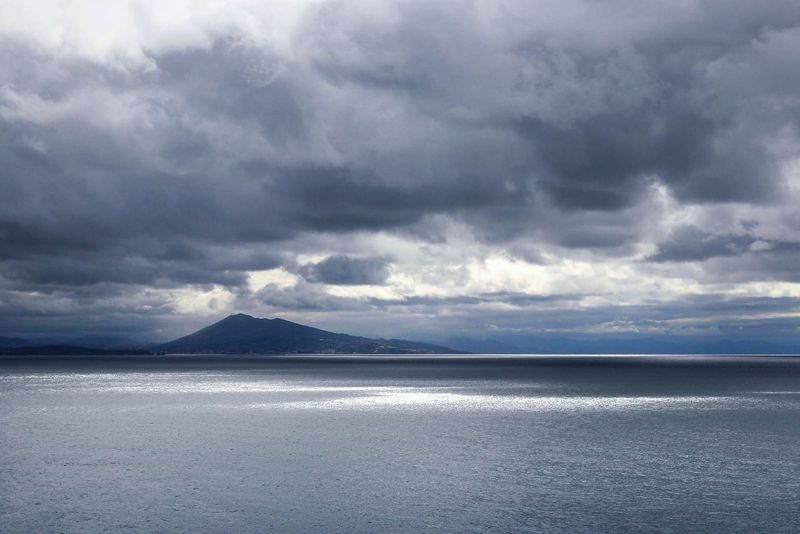
The area's mythology runs deeper still. Local tradition holds that Odysseus landed somewhere near Sperlonga during his long voyage home, and that the sorceress Circe lived on Monte Circeo, a headland visible up the coast. The stretch of shore between the two points is now marketed as the Ulysses Riviera, a nod to Homer's wanderer. Whether or not the hero passed through, the grotto that gives the town its name - spelunca is Latin for cave - was certainly used in Roman times, and archaeological remains from the period are still visible.
What Draws Romans Here
Proximity matters. Sperlonga lies roughly 120 kilometres south-east of Rome, reachable in under two hours by car or regional train. For Romans, that makes it a practical choice for a summer Saturday or a long weekend. The beaches are wide and the water stays shallow for several metres out, which suits families. There are beach clubs offering sunbeds and umbrellas, but also stretches of public sand.
The town itself is small enough to walk end to end in twenty minutes, yet it supports a handful of seafood restaurants and a modest selection of hotels and rental apartments. In the evening, locals and visitors gather in the piazza for an aperitivo, then move on to dinner. The menu leans heavily on what comes off the boats that morning: octopus, sea bream, anchovies, mussels.
The Risk of Greater Attention
Recognition brings consequences. Towns that win travel awards or appear on curated lists often see visitor numbers climb sharply in the seasons that follow. Sperlonga has managed to stay relatively calm partly because it lacks the dramatic topography of the Amalfi Coast - no vertical cliffs, no pastel villages stacked on hillsides - and partly because it has never courted mass tourism with aggressive marketing or large-scale resort development.
That low profile is both an asset and a vulnerability. If arrivals increase faster than the town can manage, the narrow streets and limited car parking could become pressure points. The beaches, though long, are not infinite, and the appeal of Sperlonga rests in part on its unhurried atmosphere. Whether that quality survives a surge in international interest will depend on how the town and its residents respond.
For now, Sperlonga offers what many stretches of the Italian coast no longer can: space, relative quiet, and a rhythm that still bends towards the local calendar rather than the tourist season alone.