The Pull of the Baltic
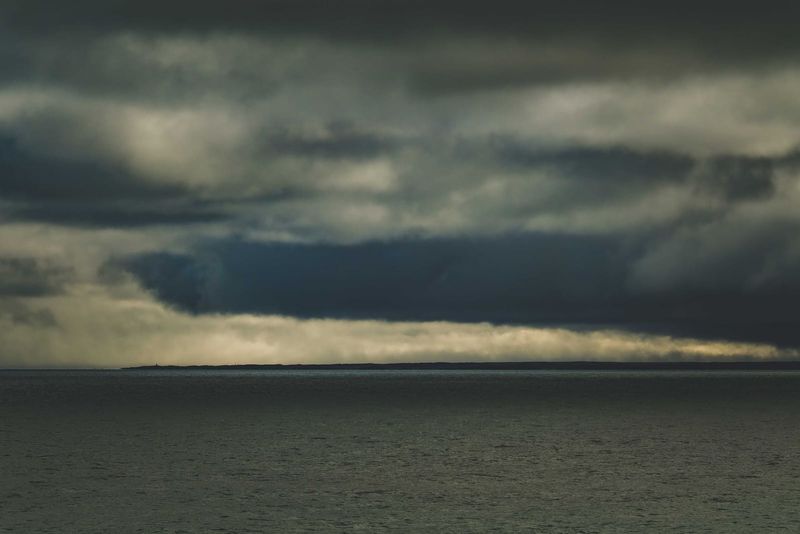
Petter Bäcklund first visited Fårö 16 years ago, staying at his partner's holiday home. He has returned every summer since. The Swedish islands of Gotland and Fårö, sitting roughly 100 kilometers off the mainland in the Baltic Sea, have become his annual creative reset. He photographs them constantly, documenting the way light moves over golden grasslands and the Caribbean-blue water that gets its color from limestone beneath the surface.
By September, the midnight sun has faded and daylight settles back to a more typical 12 hours. The summer crowds thin. What remains is the landscape that draws Stockholm's artists, chefs, and designers year after year: craggy coastline, windswept pines, and a rhythm that moves slower than the capital.
Bäcklund recommends swimming beneath the limestone cliffs at Hallshuk on Gotland's north coast. The water is clear, the light soft, and the setting feels far removed from the bustle of mainland life.
Farm Shops and Michelin-Star Transplants
The islands retain their rural character through fishing villages and traditional smokehouses like Sysne Fiskbutik, where flounder is served on slabs of rye. Farm shops such as TibblesGården sell biodynamic produce, including beetroots grown on-site. But recent years have brought a wave of businesses run by people who left Stockholm for a quieter life.
Magnus Ek and Agneta Green are among them. The couple once ran Oaxen Krog in Stockholm, a restaurant that held two Michelin stars before it closed in 2022. Now they operate Ek & Greens Trä Gård, a homewares and farm shop in a restored 19th-century farmhouse overlooking Mölnor Bay on Fårö. Ek handcarves wooden goods, while Green makes preserves from ingredients she grows herself.
The mix of old and new defines much of the islands' appeal. Bäcklund is drawn to the way people reimagine existing structures, turning farm buildings and quarries into something fresh without erasing their history.
Converted Spaces with a Sense of Calm
Fabriken Furillen is a case in point. The 19-room hotel occupies a former limestone refinery, converted by photographer Johan Hellström. The industrial skeleton remains, but the interiors are refined. Bäcklund notes the linen uniforms worn by staff, the Hästens beds, and the restaurant's use of foraged ingredients. The overall effect, he says, is one of complete calm.
Sibbjäns is another recent addition that caught his attention. The 20-hectare working farm includes a handful of buildings refurbished by local craftspeople, many draped in wisteria. Inside, upcycled furniture, reclaimed oak beams, and sheepskins create a backdrop that feels both rustic and carefully considered. The farm emphasizes sustainability, particularly water conservation.
These places represent a broader shift. The islands are no longer just a summer escape for weekenders. They have become home to a growing community of people who have swapped city life for something slower, often bringing skills and ambitions honed elsewhere.
A Day in the Rhythm of Fårö
Bäcklund's typical summer day starts at Sylvis Döttrar, a second-generation bakery on Fårö known for buttery cinnamon buns. He sits under green umbrellas, then spends a few hours cycling and photographing the Bungenäs peninsula, a nature reserve scattered with wind-bent pines and the remains of Cold War structures now occupied by birds.
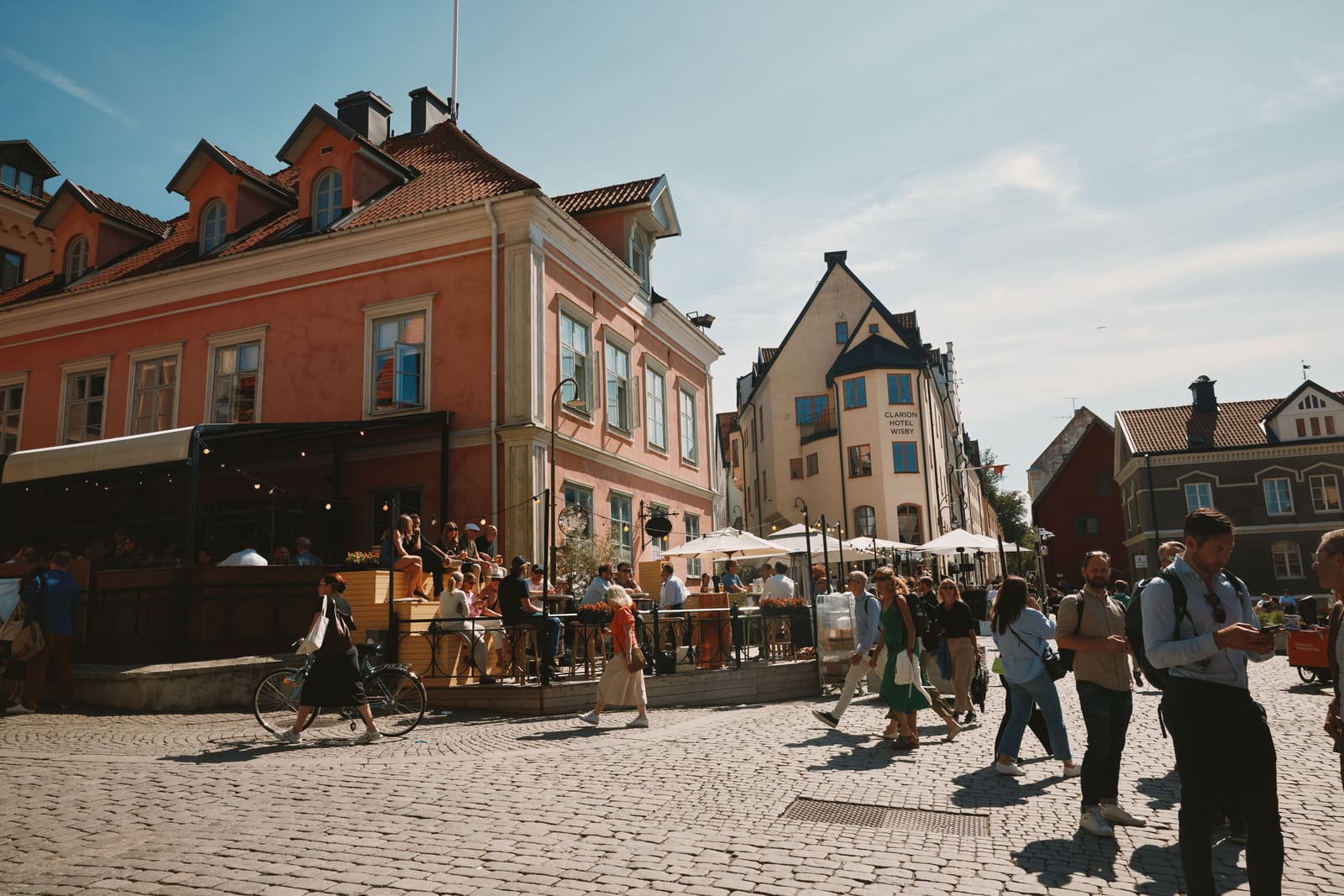
Lunch might be at Fårögården, the kind of place where you can bring a large group, settle into the garden, and spend hours over barbecued lamb. Afternoons often include a swim, followed by a visit to Visby, Gotland's medieval main town. The houses there have red roofs and roses trailing over walls, and Bäcklund finds them endlessly photogenic.
As evening arrives, he heads to På Ängen Mat & Bar on Gotland's north coast. The spot is essentially an elevated food truck, serving tacos made with local meat and fish, seared with lime and Mexican salsas. Tables are set in a meadow, and frozen margaritas are on offer.
What Keeps Him Coming Back
For Bäcklund, the islands offer a combination that is hard to find elsewhere: striking natural beauty, mild weather, and relative solitude. The landscape changes with the seasons, but the sense of space remains constant. It is a place where he can work without distraction, where the light cooperates, and where the pace allows for the kind of observation that photography requires.
The islands are not untouched. Tourism has grown, and new businesses continue to open. But the balance between preservation and evolution seems, for now, to hold. The fishing villages still function. The farm shops still sell vegetables grown on-site. And the beaches, with their limestone cliffs and clear water, remain as they were when Bäcklund first arrived 16 years ago.
He keeps returning because the islands give him what he needs: beautiful nature, good weather, and not too many people. For a creative reset, he says, it is hard to ask for more.