A Different Season, a Different Alps
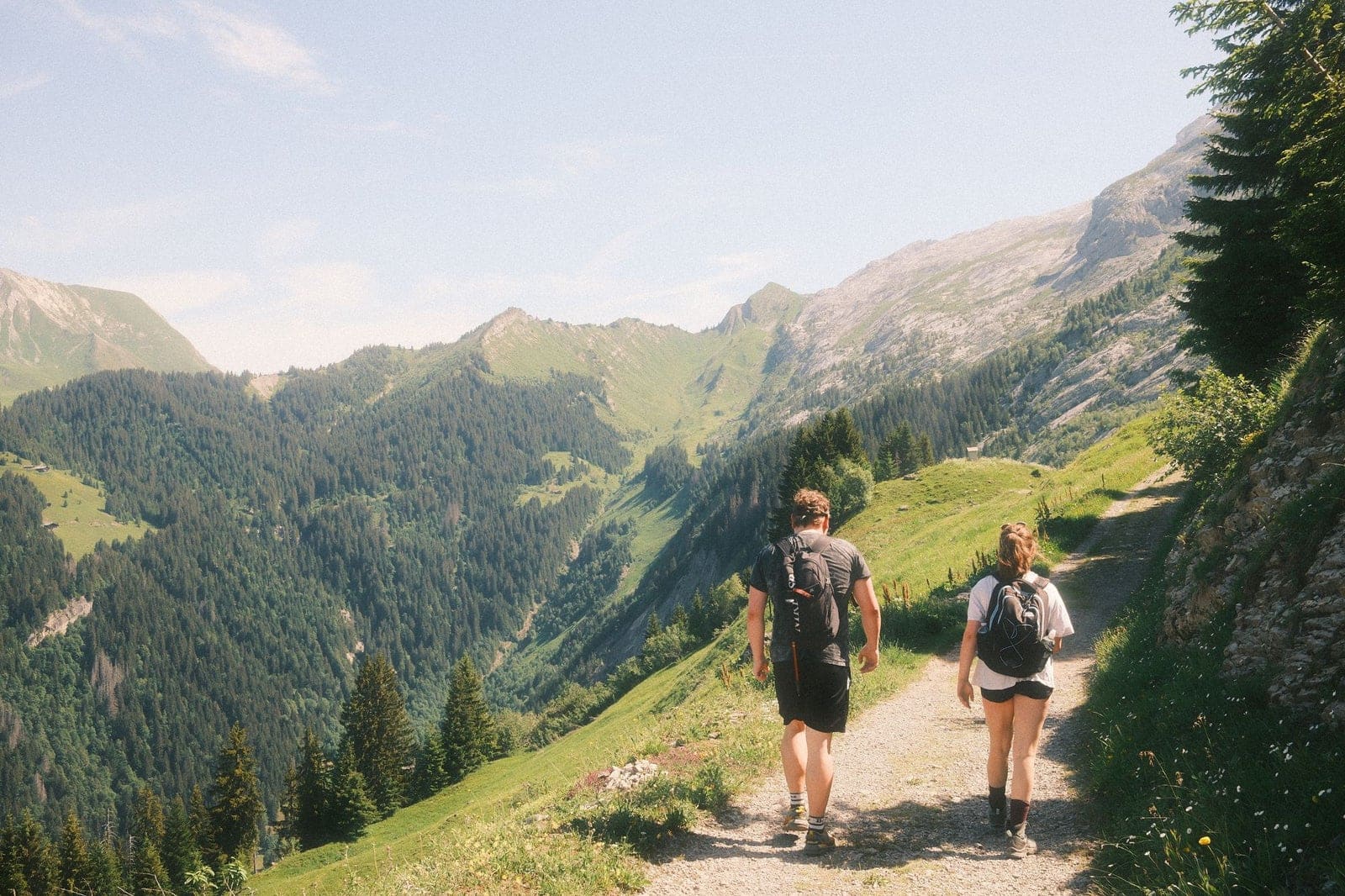
Most people think of the French Alps in terms of ski lifts and powder. But the same limestone summits and spruce forests that draw winter crowds take on a completely different character once the snow melts. A hiking route between La Clusaz and Annecy offers a look at this quieter season, when wildflower meadows replace mogul runs and the main traffic is cows wearing bells.
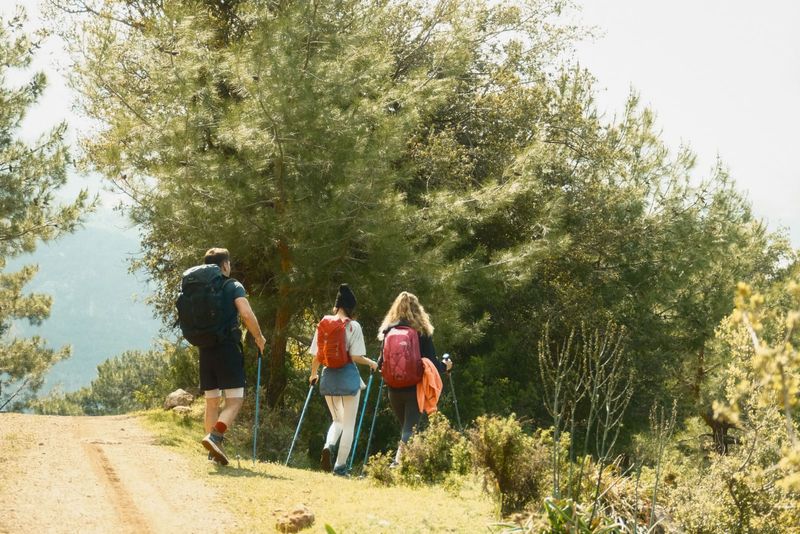
The route covers roughly 50 kilometers over several days, with accommodation arranged in small, family-run hotels. Each morning, luggage gets shuttled ahead by van, leaving hikers to carry only day packs. The walking itself ranges from moderate valley trails to steeper climbs that gain 700 to 800 meters in a single push.
It's a format designed for people who hike regularly, though not necessarily at altitude. The first day out of La Clusaz involves a six-hour trek up through the Borne valley, ascending 710 meters to reach a ridge overlooking the Aravis range. The path winds through pastures where cows graze nose-deep in grass, their bells clanking in slow rhythm.
Reblochon Country
Haute-Savoie is Reblochon territory. The soft, creamy cheese shows up at nearly every meal, whether melted over pizza, folded into fondue, or sold directly from roadside farms. Small hand-lettered signs advertise wheels for sale, often propped against barn doors.
The cheese has a practical origin. In the 13th century, tenant farmers in the region paid rent to landlords in milk. To hold back some of the yield for themselves, farmers would slow the milking partway through by pinching the udder. After the landlord's collector left, they would finish the job. This second milking produced richer, fattier milk, which eventually became the base for Reblochon.
Today, the cheese is protected by appellation rules and made throughout the valleys. It's rich enough to feel like a meal on its own, especially when paired with the crusty white baguettes common at breakfast tables and trailside restaurants.
The Hike Itself
The route is broken into stages, with each day ending in a different village. After La Clusaz comes Chinaillon, a small hamlet with a handful of hotels and one main street. The next stop is Le Grand Bornand, slightly larger and known for its Thursday produce market. By the time hikers arrive, vendors are often packing up, though there's usually someone willing to hand out samples of jam or cheese.
The scenery shifts as the trail moves north. Early sections pass through open meadows dotted with wildflowers in shades of yellow, purple, and white. Butterflies gather near streams, their wings catching the light in blues and coppers. Higher up, the landscape turns rockier, with exposed ridges offering views across multiple valleys.
Not every hike is easy. The third day involves an 800-meter ascent in heat that can reach 33 degrees Celsius in August. Some sections require scrambling over loose stone. For those who skip the tougher climbs, there's the option to travel by car to the next stop and spend the day exploring on foot at lower elevation.
Annecy as a Finale
The route ends in Annecy, a mid-sized city built around a lake that's frequently called the cleanest in Europe. The water is clear enough to see several meters down, and the surrounding mountains provide a backdrop that feels outsized for a swimming spot accessible by public beach.
Annecy has a reputation for animation. The city hosts an annual film festival that draws international crowds in June, and even outside festival season, there's a visible arts presence in the form of galleries and independent cinemas. The old town is compact and walkable, with narrow canals running between stone buildings.
Restaurants here lean into Savoyard tradition. Fondue and raclette are standard offerings, often presented with a degree of ceremony. At Le Fréti, servers bring bubbling pots of melted cheese to the table alongside boiled potatoes, bread, and cured meats. The house fondue blends three local cheeses with white wine, creating a texture that's smooth rather than stringy.
Meals often end with a shot of genepy, a liqueur made by steeping Alpine flowers in alcohol. It has a floral, herbal flavor and a mild burn. The custom is to sip it slowly, though visitors unfamiliar with the tradition sometimes treat it like a digestif and knock it back in one go.
Practical Considerations
The hike is manageable for people with some trail experience, though altitude and heat add variables that flat terrain doesn't. Water sources are frequent, but carrying extra is necessary on longer climbs. The trails themselves are well-marked, with GPS coordinates available for sections that branch or intersect with other routes.
Accommodation varies in style but tends toward small, independently owned properties. Some have communal balconies or terraces where guests gather in the evening. Breakfast is included and typically features bread, cheese, yogurt, and coffee. A few hotels also offer dinner, often focused on regional ingredients like lentils, sausage, and more Reblochon.
The route operates on a "leave no trace" principle, and hikers are expected to pack out whatever they bring in. The result is a landscape that feels relatively untouched, despite the fact that these trails see steady use throughout the summer months.
Why Summer Works
Winter remains the high season for the French Alps, but summer offers a trade-off. The crowds thin out, prices drop, and the trails open up to people who don't ski. The wildflower meadows peak in July and August, and the weather is generally stable, though afternoon thunderstorms can roll in without much warning.
For travelers who prefer walking to downhill sports, the summer Alps provide access to terrain that's otherwise locked under snow. The trade-off is heat on exposed ridges and the occasional need to scramble over rock. But the payoff is a version of the Alps that feels less packaged, more agricultural, and closer to the rhythms of the farms and villages that have shaped these valleys for centuries.