A Year Behind Bars
Luzian Andrin Zgraggen walked to an empty beach, filmed himself smiling, called the scene "crazy," and added profanity to the caption. The 26-year-old Swiss national posted the video on social media in March, during Nyepi, the Balinese Hindu day of silence when the entire island shuts down and everyone, locals and visitors alike, must remain indoors.
On August 21, a court in Denpasar convicted him of insulting a religious observance under Indonesia's criminal code, which took effect in January. He was sentenced to a year in jail. Staff at his villa in Legian had explained the restrictions before he went out, according to court findings.
Zgraggen told the court he "deeply regrets" his actions. The video has since been removed. The case marks one of the first prosecutions under the new code, which added protections for religious customs.
What Nyepi Requires
Nyepi is the centerpiece of a six-day Balinese New Year observance. For roughly 24 hours, the island goes silent. No flights arrive or depart from Ngurah Rai International Airport. Roads empty. Shops, restaurants, and businesses close. Mobile and internet service may be restricted. People stay inside, turn off lights, and make no noise.
The rules apply to everyone on the island, not just Balinese Hindus. Villa renters are advised to stock up on food and essentials beforehand. Hotels remain open but guests must stay indoors, and pools, outdoor lighting, and entertainment are typically off-limits. Some properties offer special indoor meal and activity packages for the day.
This year, the shutdown ran from 6 a.m. on March 19 to 6 a.m. on March 20. In 2027, Nyepi falls on March 8. The date shifts annually, landing the day after the dark moon of the spring equinox.
Enforcement on the Ground
Local security officers called Pecalang patrol neighborhoods during Nyepi. If someone steps outside, makes noise, or turns on visible lights, they are told to go back indoors immediately.
Past incidents involving tourists have mostly ended with warnings, detentions, or deportations rather than criminal charges. The new criminal code changed that calculus. Zgraggen's conviction signals that Indonesia is willing to prosecute serious violations, especially when they are publicized online.
Bali is Indonesia's only Hindu-majority region, unlike the rest of the country, which is predominantly Muslim. The island's tourism economy depends on visitors, but local authorities have grown more assertive about protecting cultural practices as visitor numbers climb.
A Broader Context
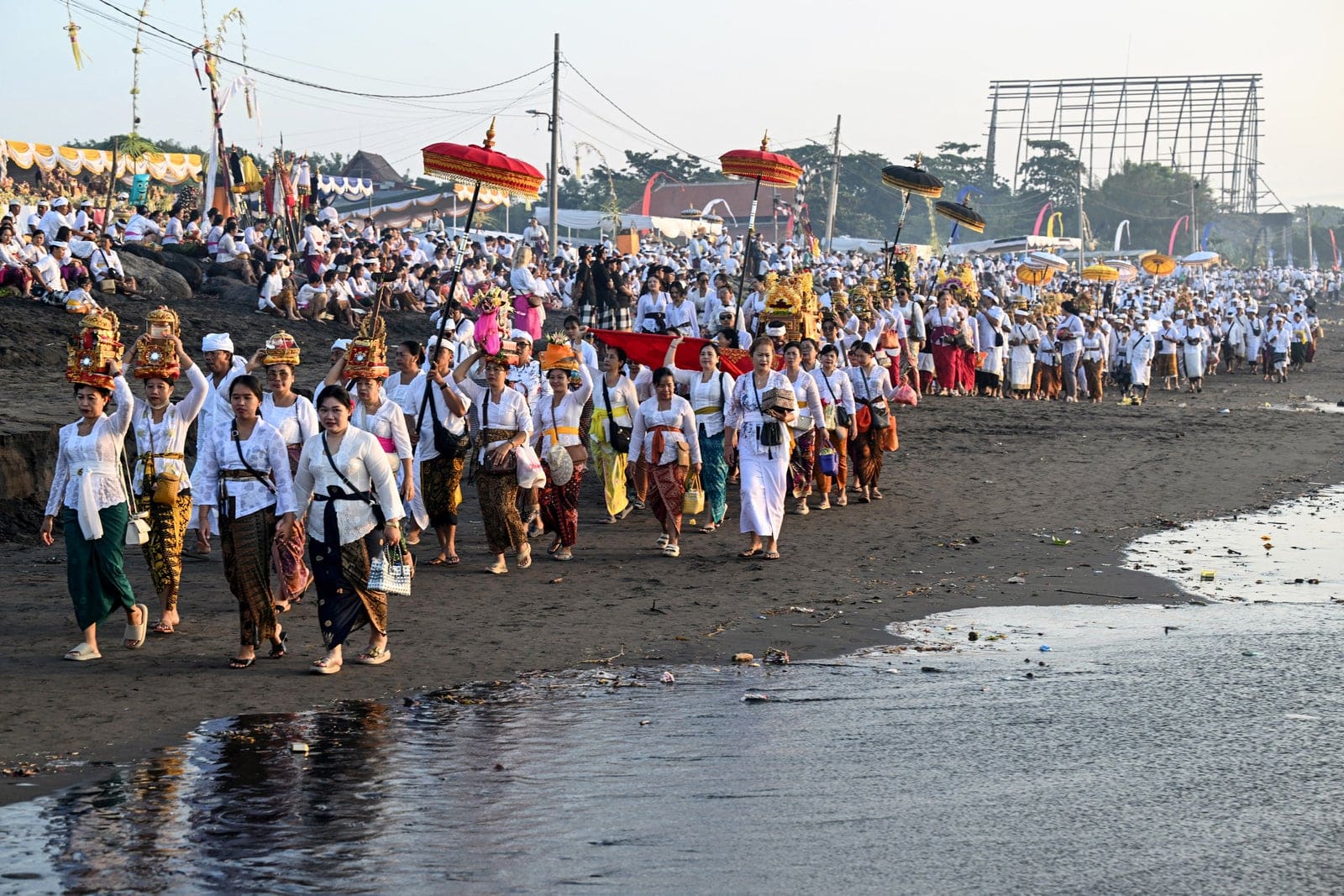
Nyepi is part of a longer ritual cycle. Three to four days before the silent day, the Melasti ceremony takes place. Communities carry symbols of the divine to the sea and purify them with holy water. The night before Nyepi, the Bhuta Yajna procession unfolds. Villagers parade giant bamboo and papier-mâché demon figures called Ogoh-Ogoh through the streets, accompanied by gamelan music, chanting, and noise. The effigies are often burned to drive away evil spirits.
After Nyepi comes Ngembak Agni, a day when families seek forgiveness and celebrate renewal. The entire sequence is understood as a time of purification and reflection.
What Travelers Should Know
The UK Foreign Office publishes country-specific guidance on laws and cultural norms. Travel associations recommend researching local customs before arrival and being respectful when discussing traditions.
For Bali, that means understanding that Nyepi is not optional for visitors. If your trip coincides with the holiday, plan to stay inside for a full day. Check hotel policies in advance. Stock your room or villa with food, water, and anything else you will need. Expect no deliveries, no rides, no open restaurants.
The island's appeal rests in part on its living culture. Nyepi is one of the most visible expressions of that culture. Ignoring it, or worse, mocking it online, can lead to consequences that go well beyond a scolded tourist. Zgraggen's case makes that clear.