A Rare Addition to Urban Conservation
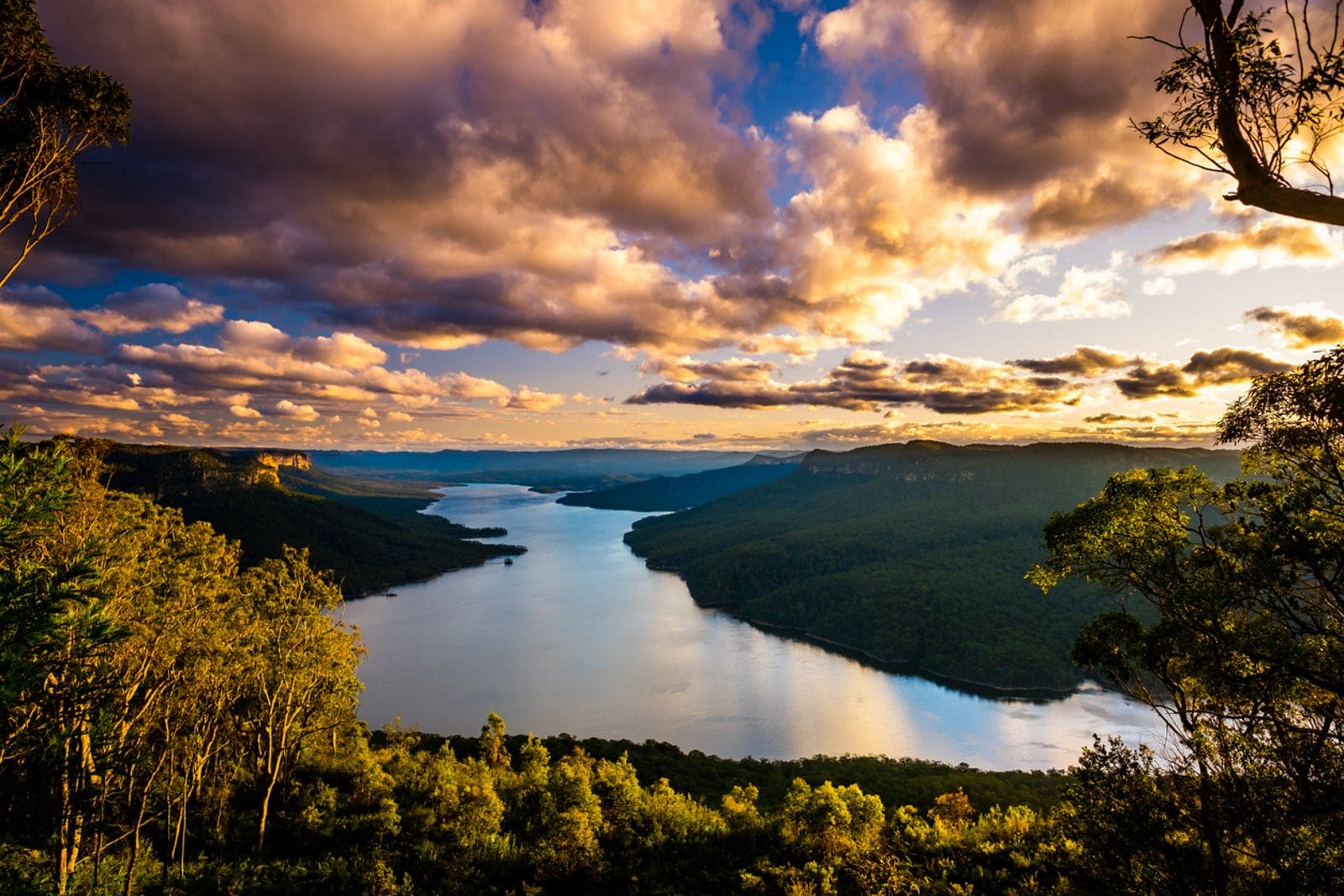
Sydney is carving out space for nature in an unexpected place. Officials in New South Wales have designated Gulguer National Park in the city's western suburbs, a move that will eventually protect more than 1,100 hectares of habitat for endangered animals and rare forest communities. The park sits roughly five kilometers south of Silverdale and ten kilometers west of Bringelly, an area better known for sprawl than conservation.
What makes this designation stand out is its dual focus: ecology and culture. The land has been home to the Dharug, Dharawal, and Gundungurra peoples for thousands of years, and the park will preserve Aboriginal rock art, stone tools, and shelters scattered across the site. Just as importantly, it will allow First Nations communities greater access to Country, the living network of land, water, plants, animals, and sky that ties them to their ancestors.
Why This Landscape Matters
The park will shelter at least 28 species currently under threat, according to New South Wales National Parks and Wildlife Service. That list includes the Cumberland land snail, the Dural land snail, southern greater gliders, powerful owls, giant burrowing frogs, and eastern coastal free-tailed bats. These species depend on habitats that are shrinking fast as Sydney expands westward.
Two forest types within the park are especially vulnerable. The Shale Sandstone Transition Forest and Sydney Turpentine-Ironbark Forest are both classified as critically endangered ecological communities. These eucalyptus woodlands support a web of life that includes white-bellied sea eagles and the powerful owl, Australia's largest owl species. Losing these forests would unravel the ecosystems they anchor.
Gulguer also plays a strategic role in a broader conservation plan. It will form the first stage of a protected corridor linking Gulguer Nature Reserve and Bents Basin State Conservation Area with Burragorang State Conservation Area. That connectivity is vital for species that need large territories or migrate seasonally.
What Visitors Can Expect
While the park's primary purpose is conservation, it will also offer public access. Plans include walking and cycling trails, camping areas, and picnic spots. The exact timeline for opening has not been confirmed, but officials expect initial work to be completed within six months.
The balance between access and protection will be delicate. High visitation can stress fragile habitats, especially when rare species are breeding or feeding. How New South Wales manages that tension will set the tone for the park's future.
A Wider Trend
Sydney's move comes at a time when urban areas worldwide are rethinking their relationship with nature. Cities that once prioritized growth over green space are now designating parks, restoring wetlands, and reconnecting fragmented habitats. The motivation is partly environmental, but also economic and social. Protected areas close to urban centers offer recreation, improve air quality, and help cities adapt to climate change.
Gulguer is modest in size compared to remote wilderness parks, but its proximity to a major city gives it outsize impact. Millions of people live within an hour's drive, and the park will offer a rare chance to experience native ecosystems without leaving the metro area.
Still, urban parks face pressures that backcountry reserves do not. Development encroaches, invasive species spread more easily, and foot traffic can degrade trails and disturb wildlife. The success of Gulguer will depend on sustained funding, active management, and community support.
Looking Ahead
The creation of Gulguer National Park reflects a broader recognition that conservation cannot happen only in remote places. As cities grow, protecting nearby nature becomes both harder and more urgent. Sydney's western suburbs are not untouched wilderness, but they hold fragments of ecosystems that are disappearing. By turning those fragments into a connected, managed park, New South Wales is betting that urban conservation can work.
Whether that bet pays off will depend on how the park is managed in the years ahead. For now, it represents a shift in thinking: that even a sprawling city can make room for owls, frogs, and forests, and that doing so is not just an environmental choice but a cultural one.