Start at the Top
Most visitors to Bath begin at the bottom, crowding around the Roman Baths complex in the city center. A better strategy is to walk uphill first, getting the postcard architecture out of the way while your legs are fresh. The city sits in a bowl-shaped valley, which means hills in every direction.
The Royal Crescent is the obvious target, that sweeping curve of 30 Georgian townhouses completed in 1774. But the route matters more than the destination. Morso, a bakery on Saville Row, opened in early 2026 with cardamom buns and proper coffee. From there, wind through the Assembly Rooms, currently closed for renovation until 2027, and past the Circus, John Wood the Elder's circular row of houses.
Margaret's Buildings is where the texture changes. Arte House is scheduled to open in late summer 2026, stocking antiques, textiles, and modern British art. Next door, 8 Holland Street has been the neighborhood's design anchor for years, the kind of place where you find sculpture and homeware without a whiff of gift shop energy.
Thermal Waters, Hold the Crowds
Bath's original Roman name was Aquae Sulis, named for the hot springs that still bubble up at 46 degrees Celsius. The Roman Baths themselves are worth seeing, but the adjacent Thermae Bath Spa packs in visitors year-round. For a quieter soak, the Royal Crescent Hotel spa offers a pool, GROUND biome facials, and afternoon tea with Wiltshire ham sandwiches and clotted cream from Ivy House Farm.
The walk back into town passes the Bartlett Street Antiques Centre, a multi-floor warren of dealers, and Persephone Books on Edgar Buildings, a small publisher that reprints neglected 20th-century novels by women writers.
Walcot Street After Dark
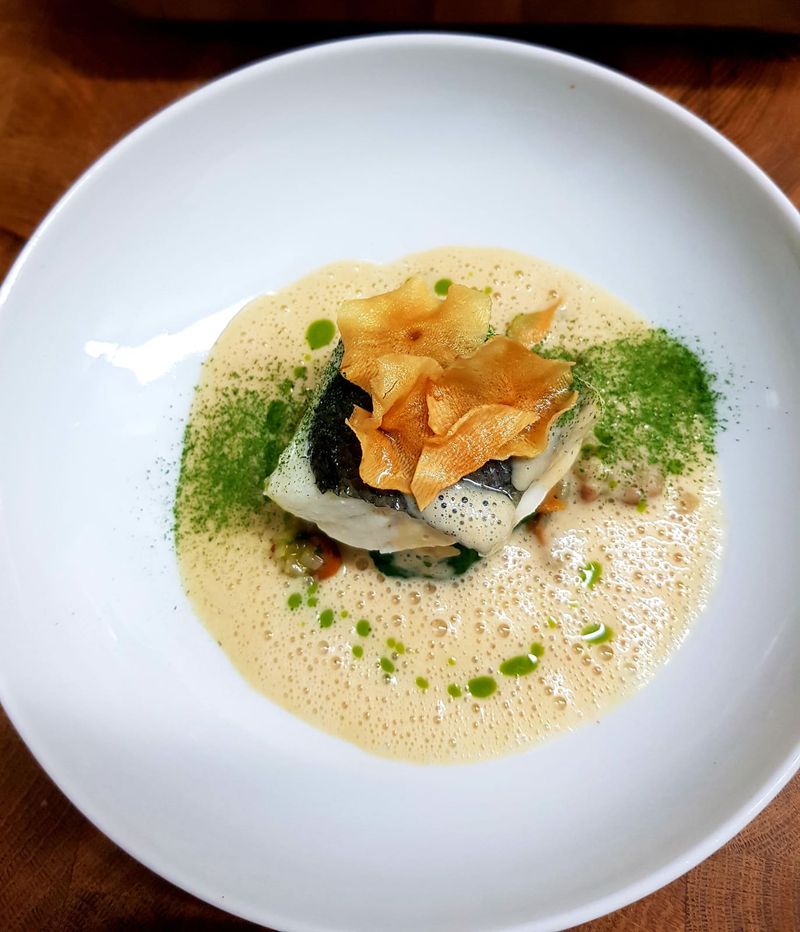
Upstairs at Landrace is currently the toughest reservation in Bath. The restaurant sits above a bakery on Walcot Street, accessible through a curtain and up a metal staircase. The menu is short: speck, beef ragu on house-made pasta, monkfish in broth. The kitchen uses the bakery downstairs as its staging ground, which means bread arrives still warm.
Walcot Street used to be the city's cattle market. Now it anchors the artisan quarter, with independent shops, a Saturday flea market, and late-night options. Dos Dedos, on cobbled Edgar Mews, stocks over 100 mezcals and tequilas. The Common Room, a few minutes uphill, runs until 2 a.m. on weekends.
Markets and Monasteries
On Saturday mornings, the Walcot Street market takes over the former cattle market site, selling vintage clothing, antiques, and produce. Get there early. Landrace's bakery opens at 8 a.m., and a queue forms for cinnamon buns within the hour.
The 15th-century Bath Abbey sits in the city center, its tower open for climbs when weather permits. The view covers the entire valley. Nearby, Society Café in The Corridor serves as a midday recharge point. Topping & Company Booksellers, with its rolling ladders and three floors, looks like a film set but functions as a working bookshop. Magalleria, a few streets over, carries independent and specialist magazines.
A Six-Mile Loop
The Bath Skyline Walk is a six-mile circuit that starts on Bathwick Hill and traces the rim of the valley. The path cuts through fields and woodland, with views back toward the city's crescents and terraces. A short detour leads to Prior Park, an 18th-century landscape garden with a Palladian bridge.
For lunch before or after, Green Street Butchers makes sandwiches to order. The rotisserie chicken version comes with caramelized shallots, mayo, and dressed rocket on fresh bread.
Vietnamese Cooking in Georgian Bath
Noya's Kitchen has occupied a spot on St James's Parade since the mid-2010s. Chef and owner Noya Pawlyn cooks Vietnamese curries and pho heavy with ginger, kaffir lime leaf, and lemongrass. She recently opened a cookery school in the garden behind the café; classes sell out weeks in advance.
After dinner, 18 Green Street is a wine bar with floor-to-ceiling bottles and candlelit tables. Across the road, the Botanist hosts live music most nights.
Sunday Rhythms
Walcot House, another converted bakery on Walcot Street, handles Sunday brunch with banquette seating, coffee from Bristol's Triple Co Roast, and bacon butties on brioche buns. On the fourth Sunday of each month, a vintage and antiques market takes over the old Green Park Station. Dealers start setting up at 8 a.m.
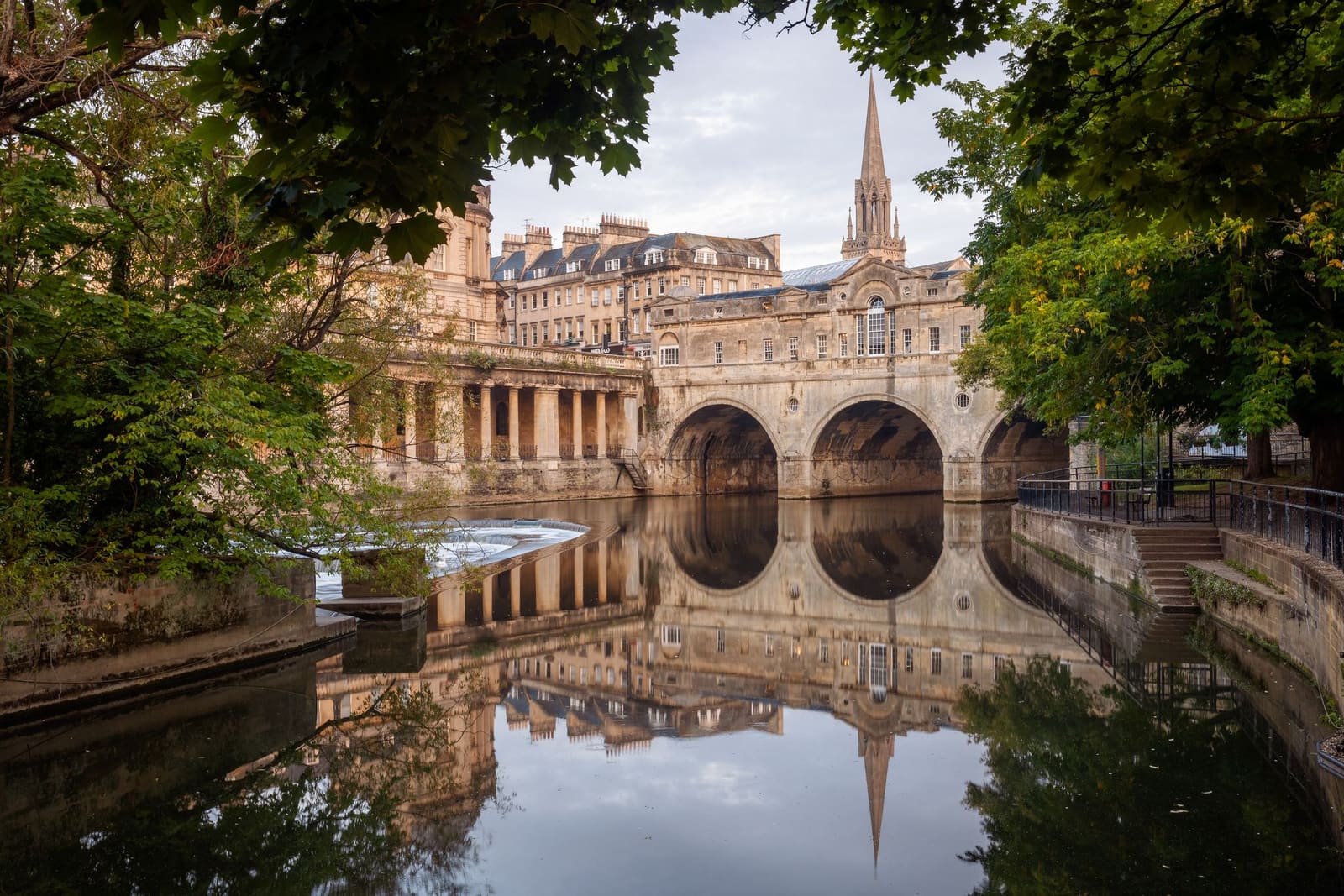
The Holburne Museum, which doubled as Lady Danbury's house in the TV series Bridgerton, holds a collection spanning Old Masters to contemporary art. The Victoria Art Gallery near Pulteney Bridge shows works by Thomas Gainsborough and Grayson Perry, among others. Cortado, opposite the gallery, pulls espresso shots worth the detour.
Roast and Footpaths
The Marlborough Tavern, a 200-year-old pub, serves Sunday roasts that require advance booking. Start with a Bloody Mary, finish with the papers on the lower lawn below the Royal Crescent. The Bell Inn on Walcot Street offers an alternative: live blues, jazz, and folk on Sunday afternoons.
Ten minutes outside the city, Castle Farm sits above the Midford Valley. Pravin and Leah Nayar run an organic operation and cook a Sunday roast that draws regulars from across the region. Footpaths from the farm lead to the villages of Southstoke and Combe Hay, both small enough to walk in under an hour.
Carrots and Cinema
Oak is a tiny vegetarian restaurant in the shadow of Bath Abbey. The menu changes based on what's growing in the kitchen's market garden north of the city. Small plates might include carrots with smoked almond butter and chili crisp, or whatever came in that morning. Natural wine by the glass.
The Little Theatre, a 1930s cinema, still has a balcony in the main auditorium and a booth selling local Bath ale alongside popcorn. It's open Sunday nights, a low-key way to close out a weekend before the Monday return.