Delayed Decisions Hit Bottom Line
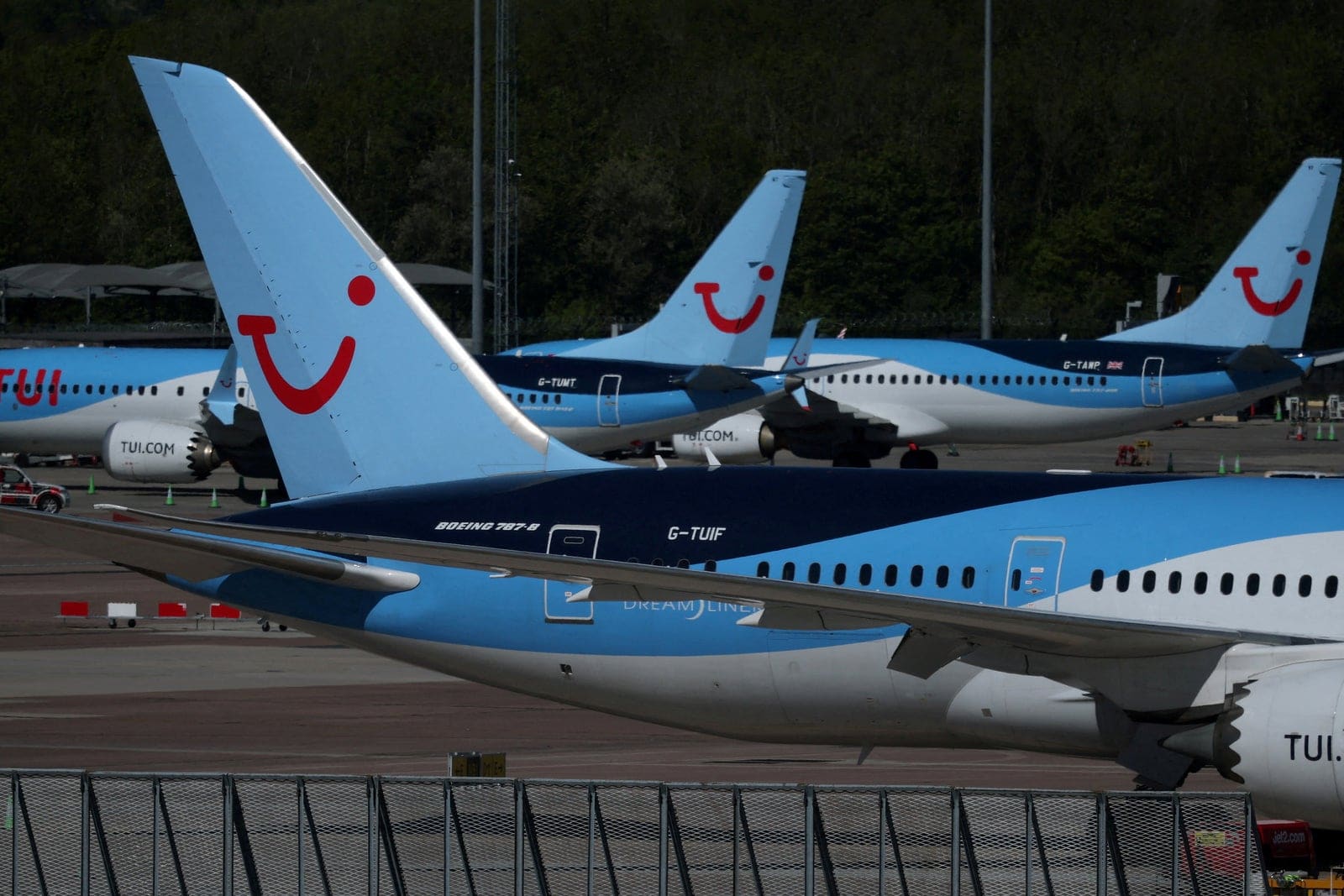
Tui's third-quarter results reveal how quickly travel patterns can shift when uncertainty enters the picture. Pre-tax profits at the European tour operator fell 43 percent to €153.4 million (£131 million) in the three months ending June, according to the company. Customer numbers dropped three percent to 9.9 million during the same period.
The operator pointed to a combination of factors: rising fuel costs linked to Middle East conflict, competitive pricing pressure, and travelers who increasingly wait until the last possible moment to commit. Underlying earnings decreased 27 percent to €233.8 million (£199.7 million) in the quarter.
Operational Disruptions
The company's cruise division absorbed a €20 million (£17.1 million) direct impact from Middle East tensions during the third quarter alone, Tui reported. In March, the operator had to bring roughly 5,000 guests back from two cruise ships docked in Abu Dhabi, vessels that remained in Gulf ports until mid-May.
Across the first nine months of its financial year, Tui tallied an €81 million (£69.2 million) hit from regional conflict and severe weather events in Jamaica, according to company figures.
A Shift in Booking Behavior
Sebastian Ebel, Tui's chief executive, acknowledged that 2026 stands apart. "Our business model is proving to be resilient," he said. "Travel remains highly relevant to people's lives, but the timing of travel decision has shifted."
The pattern is clear: people still want to travel, but they're holding off on pulling the trigger. Economic headwinds, inflation in core European markets, and geopolitical volatility have all shaped how and when consumers commit to trips. The result is a compressed booking window that makes planning harder for operators and keeps revenue uncertain until closer to departure.
Uneven Performance Across Divisions
Tui's traditional tour operator and airline business swung to a €17.4 million (£14.9 million) underlying loss from a €49.7 million (£42.4 million) profit the previous year. The contrast with its holiday experiences arm is notable: that division, covering hotels, cruises, and tour activities through Tui Musement, saw underlying earnings slip just 5.6 percent to €277.8 million (£237.3 million).
The divergence suggests that once travelers commit, they're still willing to spend on experiences and accommodations. It's the initial decision to book that's proving harder to secure.
Signs of Recovery
Tui kept its full-year outlook unchanged, citing improving momentum. Booked revenues in the markets and airline division were down six percent for the summer season as of the reporting date, a slight improvement from May levels. More encouraging: the company logged a seven percent rise in bookings over the four weeks leading up to the report, which Tui characterized as evidence of recovering demand.
Greece and Spain, particularly the Balearic and Canary Islands, continue to draw strong interest. Destinations in the Eastern Mediterranean, which had seen softer demand, have started to rebound in recent weeks, according to Tui.
What It Means for the Industry
Tui's results offer a window into the broader challenges facing tour operators and airlines when external shocks meet economic uncertainty. The company remains one of Europe's largest travel players, and its performance tends to reflect wider sentiment among leisure travelers on the continent.
The shift toward last-minute bookings isn't just a revenue-timing issue. It complicates inventory management, makes yield optimization harder, and reduces visibility into forward demand. For an industry built on advance planning and capacity allocation, that uncertainty carries costs beyond what shows up in a single quarter's financials.
At the same time, the resilience of the experiences segment and the uptick in recent bookings suggest that appetite for travel hasn't disappeared. It's been deferred, not abandoned. Whether that pattern persists will depend on how quickly geopolitical and economic conditions stabilize, and whether travelers regain the confidence to plan further ahead.