A New Chapter for Uganda's National Carrier
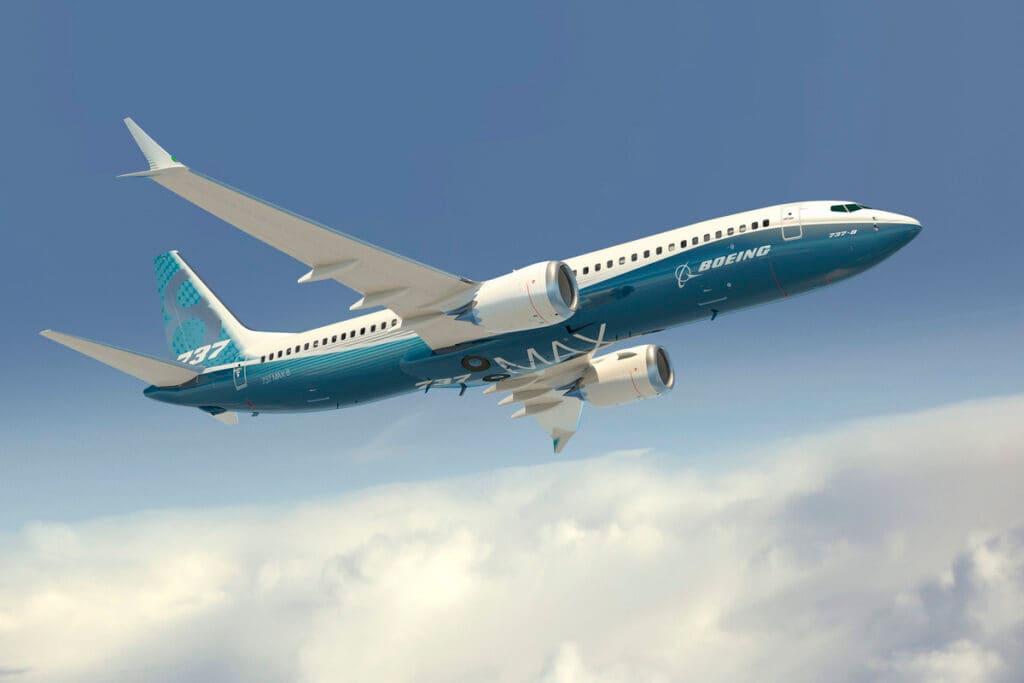
Uganda Airlines announced its first purchase agreement with Boeing on July 21, 2026, ordering four 737-8 and four 787-9 aircraft. The deal marks a shift in the carrier's expansion strategy, bringing a mix of narrow-body and wide-body jets designed to serve both regional and long-haul markets.
The airline, which resumed operations in 2019 after a long hiatus, currently flies to 17 destinations across 13 countries from its base at Entebbe International Airport. The new aircraft will let it add routes, increase frequencies, and improve the consistency of its schedule, all while working toward a goal of making Entebbe a more significant connection point in East Africa.
What the Aircraft Bring
The 737-8 is the workhorse of the order. It can carry between 160 and 180 passengers in a two-class layout and has a range of around 3,500 nautical miles. That puts destinations across Africa, the Middle East, and parts of South Asia within reach without requiring a fuel stop. For Uganda Airlines, it means more flexibility on routes where demand is steady but doesn't yet justify a larger plane.
The 787-9, meanwhile, opens the door to longer flights. With a range of 8,300 nautical miles, it can connect Entebbe directly to cities in Europe and Asia, reducing travel time and eliminating layovers. The Dreamliner is also known for its cabin features: larger windows, better air pressure, and higher humidity levels that can make multi-hour flights less tiring.
Both models are built around fuel efficiency. Boeing says they burn 20 to 25 percent less fuel than the older aircraft they replace, which translates to lower costs per seat and fewer emissions per passenger. For an airline still establishing itself financially, that efficiency matters.
Why It Matters for the Region
East Africa has seen uneven growth in aviation infrastructure. While Nairobi and Addis Ababa have become major hubs, other capitals have lagged. Uganda Airlines is betting that Entebbe can capture a share of connecting traffic, particularly for passengers traveling between southern and northern Africa or between the continent and Asia.
Ato Girma Wake, the airline's CEO, described the order as a step toward connecting Uganda more efficiently to regional and international markets. The airline also emphasized that the partnership with Boeing includes training and technical support, which could help build local expertise in aircraft maintenance and operations.
For travelers, the immediate benefit is likely to be more options. New routes could reduce the need to connect through Nairobi or Addis Ababa, saving time and potentially lowering fares as competition increases. For Uganda itself, better connectivity can support tourism and trade, making it easier for businesses to move people and goods.
Fleet Standardization and Operational Gains
Choosing Boeing for both narrow-body and wide-body jets gives Uganda Airlines a level of operational consistency. Pilots can be cross-trained more easily, and the airline can streamline its inventory of spare parts and maintenance procedures. That's a practical advantage for a carrier that's still building out its infrastructure.
Brad McMullen, Boeing's senior vice president of Commercial Sales and Marketing, noted that the aircraft offer the range and versatility needed to grow a network. The deal also reflects Boeing's broader push to expand its presence in Africa, where air travel demand has been rising as economies recover and middle-class populations grow.
Challenges Ahead
Ordering aircraft is one thing; making them profitable is another. Uganda Airlines will need to fill seats on new routes, manage costs carefully, and compete with established carriers that already have strong networks and brand recognition. The 787, in particular, is a significant commitment. Long-haul routes require high load factors to break even, and building demand on new routes takes time.
There's also the question of infrastructure. Entebbe will need to handle more passengers and larger aircraft, which may require upgrades to terminals, runways, and cargo facilities. And while the new jets are more efficient, they still represent a major capital investment for a young airline.
Still, the order signals confidence. Uganda Airlines is positioning itself for growth at a time when African aviation is expanding, and it's doing so with aircraft that are designed for the next decade or more of service. Whether that growth materializes will depend on execution, but the tools are now in place.