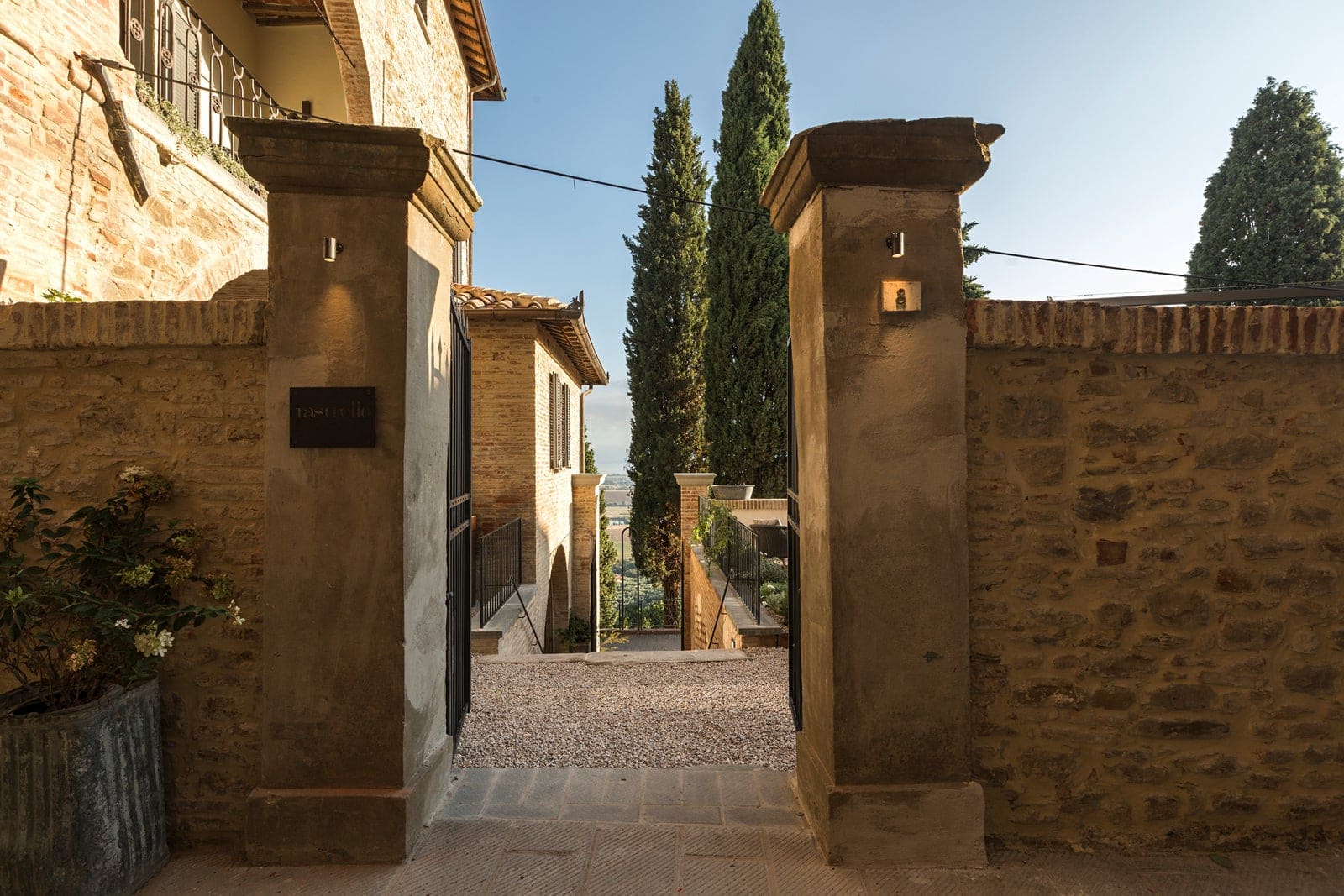
A Hotel Built Around an Olive Grove
Panicale is not the kind of place you stumble upon by accident. Perched in Umbria with a population hovering around 500, the medieval hilltop town feels like a quiet counterpoint to the crowds that pack Tuscan hotspots an hour west. Rastrello, a 14th-century palazzo turned boutique hotel, sits at the edge of the village, surrounded by roughly 1,000 olive trees, most of which have been standing for over four centuries.
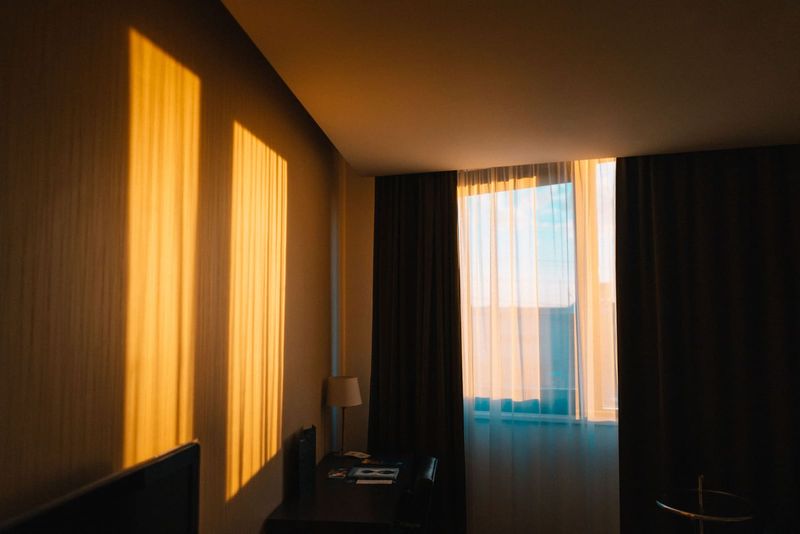
The property opened in 2020, and in spring 2025 added a garden annex that brought the room count to 14, plus two standalone apartments for longer stays. The design, handled by Pelizzari Studio, leans into terracotta walls and exposed wooden beams, with wide wardrobes that general manager Chiara Verdacchi says are sized to accommodate wine bottles and shopping bags as much as clothing. Every room faces Lake Trasimeno, Italy's fourth-largest lake, and the blackout blinds are electric, though most guests leave them open.
The olive oil produced on-site is not a side project. It appears in the house martini, drizzled over breakfast eggs, and featured prominently in the farm-to-table restaurant run by chef Nicola Fanfano. The hotel's name, Rastrello, translates to "rake," a reference to the hand-harvesting tool used during the annual olive pick.
The Monthly Spaghettata
Once a month, Rastrello hosts a communal pasta dinner. A local grandmother or grandfather from Panicale takes over the kitchen, and the menu shifts based on what they decide to cook. Recent offerings have included rigatoni with fava bean and artichoke scafata, paired with regional white wine, and mushroom-potato toast that lingers in memory longer than expected.
The dinners are open to both guests and villagers, which means the dining room can feel less like a hotel restaurant and more like a neighborhood gathering. It is one of the clearer signals that Rastrello is not interested in keeping its guests sequestered. There is no lunch service on-site, and staff actively direct visitors into town for truffle gnocchetti at Masolino or tiramisu from Lillotatini.
From 4pm to 7pm daily, the hotel sets out an aperitivo spread in the ground-floor lounges and terrace: house wine, charcuterie, and botanical spritzes. There are no minibars in the rooms. The setup is designed to pull people out of their quarters and into conversation, with the lake view and birdsong doing most of the atmospheric work.
A Wellness Addition That Stays Low-Key
The 2025 annex brought a small basement spa, a meditation room, and an outdoor dipping pool. The standout is a private sauna session, complimentary and bookable for an hour. The sauna sits in the annex with lounge chairs, herbal teas, and a shower. Treatments use olive oil-infused products, which tracks given the property's agricultural roots.
Off-site, the hotel can arrange pasta cooking classes, wine tastings, truffle hunts, and private boat tours on Lake Trasimeno. The activities are seasonal and depend on local availability, which means they vary throughout the year.
Panicale itself is walkable. The Cesare Caporali Theatre, Tulle Museum, and Renaissance frescoes in the Church of San Sebastiano are all within five minutes on foot. The cobblestones and gravel paths around the property make wheelchair navigation difficult, though the hotel does have two accessible rooms and adapted fire alarms for deaf guests.
Getting There and What to Expect
Perugia San Francesco d'Assisi Airport is 45 minutes by car. Travelers coming from Florence or Rome, which are roughly equidistant, are better off taking a regional train to Chiusi-Chianciano station, then renting a car for the final 20-minute leg. Parking is available in front of the hotel.
Breakfast is a continental buffet with cold cuts, cheeses, yogurt, granola, warm chocolate chip cake, and cooked eggs. Dietary requests are handled without fuss. The hotel adapted a fruit salad for a guest with a kiwi allergy, which suggests the kitchen pays attention.
The pace here is slower than in nearby Tuscan towns, and the hotel reflects that. Rooms are minimal, bathrooms feature marble rainfall showers and Grown Alchemist toiletries, and the four-poster beds creak slightly but hold firm mattresses. USB-C charging ports are built into the bedside tables, and full-length mirrors and in-room steamers are standard.
Why It Works
Rastrello succeeds by refusing to separate itself from Panicale. The monthly dinners, the afternoon aperitivo, the lack of lunch service, all of it pushes guests into the rhythm of village life. The olive oil is a through-line, but the real draw is the sense that the hotel is part of something larger, not a retreat from it.
The location helps. Lake Trasimeno stretches out below, cypress trees punctuate the hills, and the town square is close enough that you can watch locals drink espresso and children kick a ball around the fountain. Umbria has long lived in Tuscany's shadow, but properties like Rastrello make a quiet case for the region's own kind of hospitality, one that does not rely on exclusivity or distance from the everyday.
Pets are welcome for a flat fee of roughly 21 pounds per stay. Check-in starts at 4pm, check-out at 11am. The hotel is calm enough for solo travelers seeking rest, though families can book a connecting suite that accommodates up to six. It is not the right fit for large, loud groups.