A Network Pivot Away From Capitals
United Airlines is rolling out ten new international routes beginning next March, and the list reads less like a conventional expansion plan and more like a travel magazine's "where to go instead" column. Instead of adding frequencies to London or Paris, the carrier is opening service to Okinawa, Toulouse, Luxembourg, Marseille, Ibiza, Valencia, Terceira, Ljubljana, Olbia, and Catania. Most will launch between late March and early June 2027.
The move marks the carrier's largest international expansion in recent memory, according to United, and signals a deliberate shift toward what the industry calls "secondary" or "leisure-forward" destinations. These are places that lack the business traffic of Frankfurt or Tokyo but promise enough leisure demand to fill narrow-body aircraft year-round, or at least enough months of the year to justify the bet.
Nine of the ten routes will operate from Newark, with San Francisco taking the lone transpacific addition to Okinawa. That concentration reflects Newark's role as United's transatlantic gateway and its catchment of high-spending leisure travelers within the New York metro area. The Okinawa route, meanwhile, opens a new chapter in United's Japan network, which has long centered on Tokyo and Osaka.
The Economics of Going Smaller
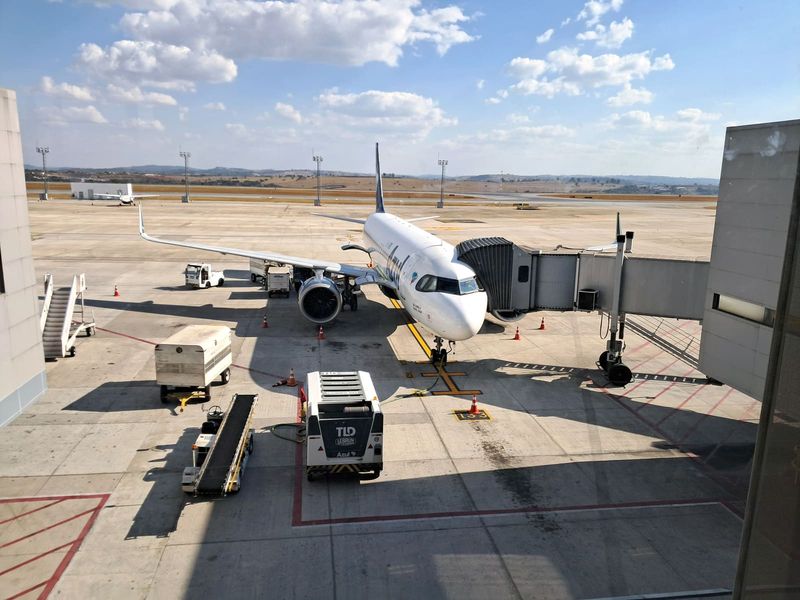
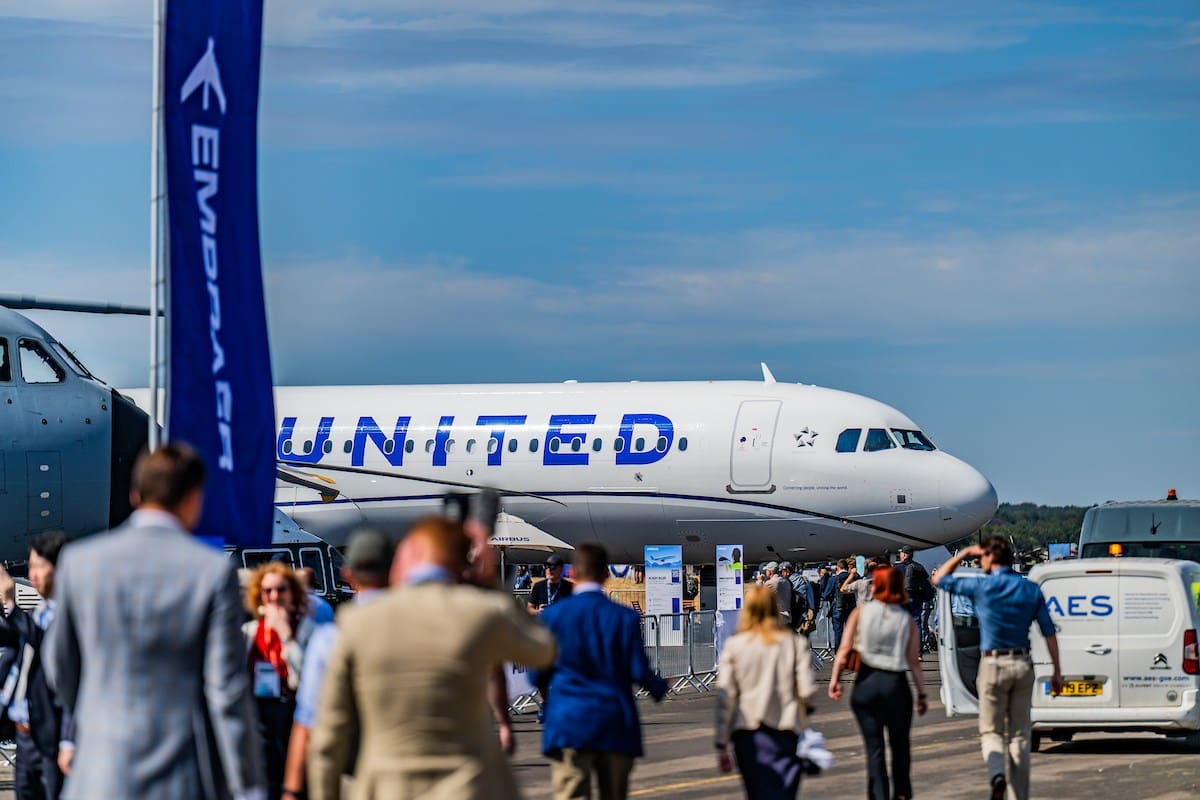
The expansion leans heavily on the Airbus A321XLR, the long-range narrow-body that United began deploying on transatlantic routes earlier this year. The aircraft's range allows it to reach Europe from the U.S. East Coast while carrying fewer seats than a wide-body, which in turn lowers the passenger threshold needed to turn a profit. That makes seasonal or year-round service to smaller cities viable in a way it wasn't a decade ago.
The question is whether demand in places like Ljubljana or Terceira can sustain service beyond the peak summer months. United has not disclosed whether all ten routes will operate year-round or taper to seasonal schedules after the first summer. Historically, carriers have struggled to fill leisure-heavy routes during shoulder seasons, particularly when corporate travel is thin.
Still, the carrier is clearly betting that a segment of its customer base, particularly those booking premium-economy and business-class seats, will choose a direct flight to a less-traveled destination over a connection through a major hub. That bet is supported by post-pandemic travel patterns, which have shown sustained interest in both long-haul leisure and "experiential" trips that prioritize place over convenience.
Europe's Smaller Cities Court U.S. Carriers
The expansion also reflects a broader shift in how European airports and tourism boards are competing for U.S. airlift. Cities like Toulouse, Ljubljana, and Marseille have spent years lobbying American carriers, offering incentives and co-marketing support to secure nonstop service. For these destinations, a single daily flight from Newark can unlock a steady stream of inbound tourism and business travel, particularly from diaspora communities and second- or third-generation immigrants.
Toulouse, for example, is home to Airbus's headquarters and a growing aerospace cluster, which could generate corporate demand to complement leisure traffic. Marseille is France's second-largest city but has historically been underserved by U.S. carriers. Ibiza and Valencia, both on Spain's Mediterranean coast, are established leisure markets with strong summer demand but limited transatlantic connectivity outside of charter flights.
Terceira, in Portugal's Azores archipelago, is a smaller play but one with a sizable Portuguese-American population in the northeastern United States. The island has seen a steady increase in tourism interest, particularly among travelers seeking alternatives to Madeira or mainland Portugal.
Competitive Pressure and the Transatlantic Arms Race
United's move comes as competition on transatlantic routes intensifies. Delta Air Lines and American Airlines have both expanded their European networks in recent years, and low-cost long-haul carriers like Norse Atlantic and budget offshoots of European legacy airlines continue to test new city pairs. United's strategy of targeting secondary cities allows it to avoid head-to-head frequency wars on saturated routes while carving out niches where it can command higher fares and loyalty.
The carrier has also been vocal about its focus on premium travelers, a cohort that has proven more resilient to economic headwinds and more willing to pay for direct flights and upgraded cabins. By offering nonstop service to destinations that previously required connections, United can capture a segment of that market that might otherwise have flown a competitor or skipped the trip altogether.
What It Means for Travelers
For passengers, the expansion translates to more direct options and, in some cases, the first-ever nonstop service between the U.S. and these cities. That convenience comes with trade-offs. Flights on narrow-body aircraft, even premium-configured ones like the A321XLR, offer less space and fewer amenities than wide-bodies. And if demand falters, routes can be cut or reduced to seasonal service, leaving travelers with fewer options mid-year.
Pricing will also be a factor. United has not released fares for the new routes, but secondary-city flights often command a premium over hub connections, particularly in peak season. Whether travelers will pay that premium depends on how much they value the time saved and the appeal of landing directly in, say, Ibiza rather than connecting through Madrid.
The broader question is whether this wave of expansion reflects a structural change in how Americans travel to Europe and Asia, or whether it's a short-term response to aircraft availability and post-pandemic demand spikes. United's willingness to deploy new aircraft and open ten routes at once suggests confidence, but the real test will come in the months after launch, when load factors and yields determine which routes stick and which get quietly trimmed from the schedule.