A Quarter-Century Later
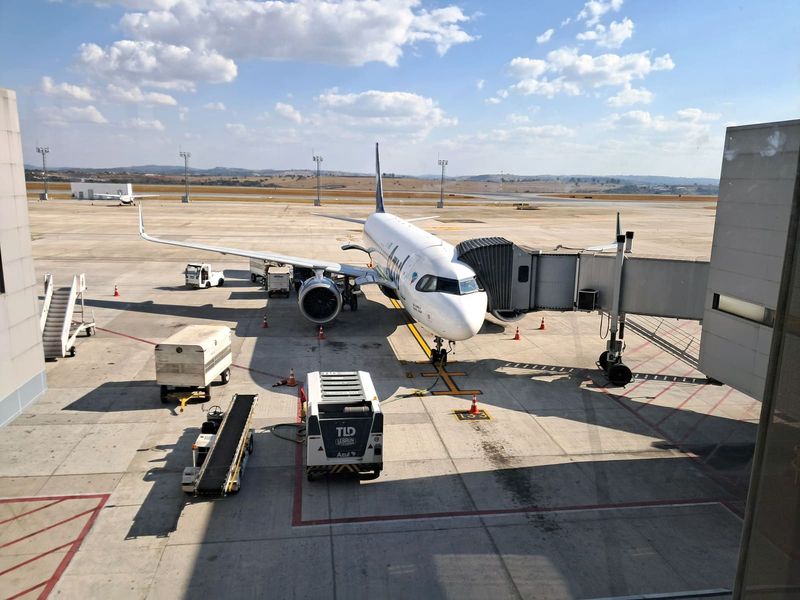
The US Transportation Security Administration has opened airport gates to non-passengers for the first time since security measures tightened after September 2001. The new Gateside programme allows certain travellers to obtain day passes that let them accompany friends or family beyond security checkpoints at 13 participating airports across the country.
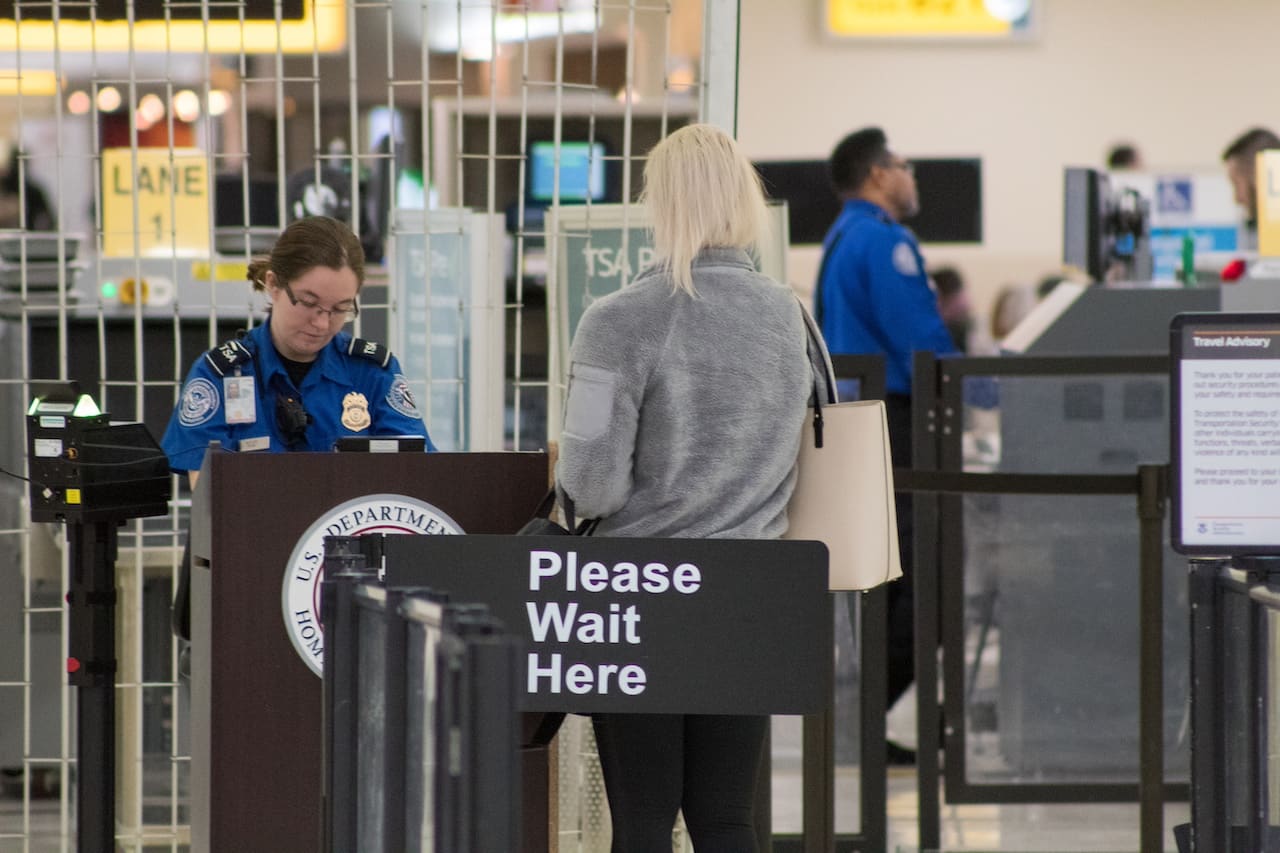
Only members of TSA Pre-Check or other validated trusted traveller schemes holding Known Traveler Numbers can apply. Applications must be submitted online between one and three days before the visit, and each permit is valid for a single day. The passes are free, though applicants still need valid identification to enter through TSA PreCheck lanes.
The programme begins at a limited set of hubs: Bill and Hillary Clinton National in Arkansas, Mesa Gateway in Arizona, Los Angeles International and San Diego International in California, Indianapolis International in Indiana, Wichita Dwight D. Eisenhower National in Kansas, Detroit Metropolitan Wayne County in Michigan, Eppley Airfield in Nebraska, Harry Reid International in Nevada, John Glenn Columbus International in Ohio, Will Rogers International in Oklahoma, Dallas Fort Worth International in Texas, and Salt Lake City International in Utah.
A Controlled Return
The shift marks a partial reversal of post-2001 security protocols, though checkpoint verification remains firmly in place. According to the TSA, the programme aims to "make it easier to return to the gate for welcomes and send-offs, meet friends during a layover, and enjoy dining and shopping along the way."
Department of Homeland Security Secretary Markwayne Mullin emphasised that the initiative does not compromise safety. "We came up with a program that doesn't compromise security at all; it's just a part of the known passenger process," he said. The system relies on the same vetting infrastructure already used for trusted traveller schemes, effectively extending existing protocols rather than creating new security gaps.
Daren Griffin, president and CEO of Columbus Regional Airport Authority, described the programme as a way to restore experiences many travellers have missed: welcoming loved ones at the gate, sharing a meal before departure, or simply spending time together in the terminal.
Who Benefits
The scheme offers practical advantages for families travelling with children, elderly passengers needing assistance, and those saying goodbye before long trips. It also addresses a gap that has frustrated international visitors, many of whom come from countries where gate access for non-passengers remains standard.
Yet the timing raises questions. The US travel sector has faced a prolonged downturn, and the programme will inevitably increase foot traffic in terminal retail and dining areas. Whether that was a motivating factor or a side benefit depends on whom you ask. Airport operators stand to gain from higher spending, while airlines may see smoother boarding processes when family members can assist passengers directly to the gate.
The programme also arrives alongside discussions about privatising airport security, a move that has drawn criticism from those concerned about cost-cutting in areas directly tied to public safety. How the two initiatives intersect, if at all, remains unclear.
What Travellers Need to Know
Eligibility is restricted to those already enrolled in TSA Pre-Check or similar programmes with Known Traveler Numbers. Enrollment in TSA Pre-Check requires an application, background check, and fee, so spontaneous gate access for casual visitors is not part of this rollout.
Permits must be requested in advance, with a window opening three days before travel and closing one day prior. Last-minute applications are not accepted. Approved visitors will pass through the same PreCheck lanes as ticketed passengers, so they must meet the same identification requirements.
The single-day validity means each visit requires a separate application, even for those planning multiple trips in a short period. The system is designed for occasional use, not regular access.
A Limited Test
Thirteen airports is a small fraction of the more than 400 commercial hubs across the United States. The selection includes major international gateways like Los Angeles and Dallas Fort Worth, mid-sized cities like Indianapolis and Columbus, and smaller airports like Mesa Gateway. The mix suggests the TSA is testing the programme across different scales and passenger volumes before considering wider adoption.
There is no timeline for expanding the scheme, and no guarantee it will continue beyond the pilot phase. The TSA will likely monitor throughput times, security incidents, and passenger feedback before deciding whether to extend Gateside to additional airports or make it permanent at current locations.
For now, the programme represents a cautious step towards pre-2001 norms, filtered through the infrastructure built in the years since. Whether it signals a broader rethinking of airport access or remains a niche offering for a small subset of travellers will depend on how the pilot performs and whether demand justifies the administrative overhead.