The Numbers Tell a Sobering Story
Overseas arrivals to the United States dropped 7% in July to just over 3 million visitors, according to government data released this week. Strip out travel from Canada and Mexico, and the picture grows starker: total overseas visitation remains nearly 23% below pre-pandemic benchmarks.
July marked the fourth consecutive month of decline, a stretch that coincided with what was supposed to be a tourism windfall. The U.S. hosted dozens of national teams and their supporters during June and July as part of the World Cup, yet the tournament failed to reverse the trend. Fourteen of the twenty largest overseas source markets sent fewer travelers in July than expected, including four countries whose teams actually competed on U.S. soil that month.
The pattern suggests that even a global sporting spectacle cannot single-handedly overcome the structural challenges facing U.S. inbound tourism. Airfare costs remain elevated compared to 2019, visa processing backlogs persist in key markets, and travelers from many regions face a stronger dollar that makes American destinations more expensive.
When a Mega-Event Is Not Enough
Industry analysts had pinned considerable hope on the World Cup. Major tournaments typically generate spikes in visitation, not just from fans traveling to watch matches but also from friends and family visiting participants, media crews, and opportunistic travelers drawn by the atmosphere.
That boost materialized for a handful of countries. Certain markets that sent teams to compete in the U.S. did see upticks in July arrivals, though the data does not break out which visitors held match tickets versus those traveling for other reasons. The lift, however, was narrow and insufficient to offset broader declines across Europe, Asia, and South America.
Four nations that fielded teams in U.S. venues still recorded drops in visitor numbers for July, underscoring how uneven the tournament's impact proved to be. The discrepancy points to factors beyond enthusiasm for soccer: exchange rates, disposable income, and the availability of affordable flights all shape whether a potential visitor books a ticket.
What Lies Beneath the Slide
The sustained downturn reflects a confluence of headwinds. Airfares between many overseas cities and U.S. gateways have not returned to pre-pandemic pricing, in part because capacity remains below 2019 levels on key long-haul routes. Airlines have been slower to restore frequencies to secondary U.S. cities, funneling more travelers through congested hubs and raising connection costs.
Visa appointment wait times in major source countries stretch weeks or months, a bottleneck that discourages spontaneous travel and frustrates repeat visitors. Business travel, historically a significant share of inbound traffic, has not recovered to its former volume as remote meetings replace some in-person trips.
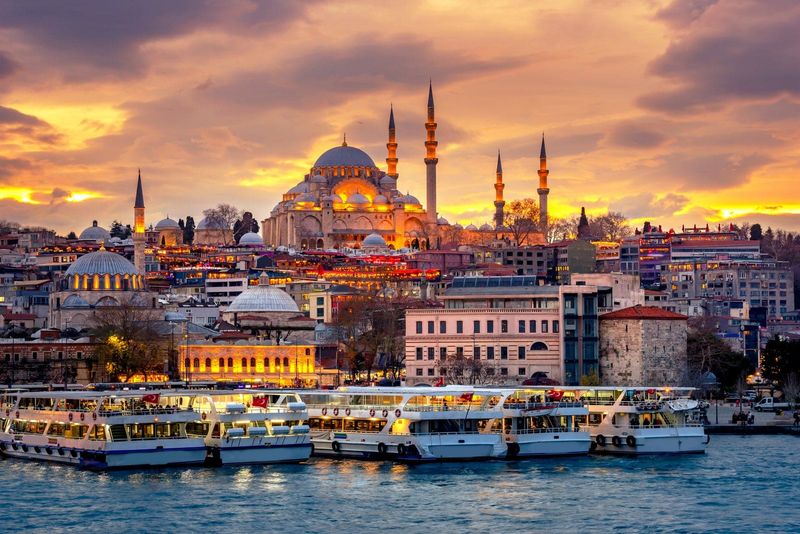
Currency dynamics also matter. The dollar's strength against the euro, yen, and several emerging-market currencies makes hotels, meals, and shopping in the U.S. comparatively expensive. A traveler from Europe weighing a week in New York against a week in Istanbul or Lisbon confronts a stark price gap, and many are choosing accordingly.
The Road Ahead
The U.S. travel industry continues to advocate for policy changes that could ease the friction. Proposals include expanding visa waiver eligibility, increasing consular staffing, and streamlining entry procedures for low-risk repeat visitors. None of these measures will take effect quickly; legislative and administrative timelines stretch into next year at the earliest.
Meanwhile, destination marketing organizations are recalibrating their pitches. Some are emphasizing value-focused itineraries and promoting lesser-known cities where lodging and dining costs run lower than in marquee markets. Others are targeting diaspora communities and leveraging cultural ties to sustain visitation even when discretionary travel budgets tighten.
The World Cup was supposed to be a turning point, a catalyst that would pull international travel back toward its pre-pandemic trajectory. Instead, July's figures underscore how fragile the recovery remains. Four months of consecutive declines suggest that structural barriers outweigh the appeal of even the world's most-watched sporting event, and that rebuilding overseas visitation will require more than a festival atmosphere and a few weeks of matches.