A New Entry Gateway Opens
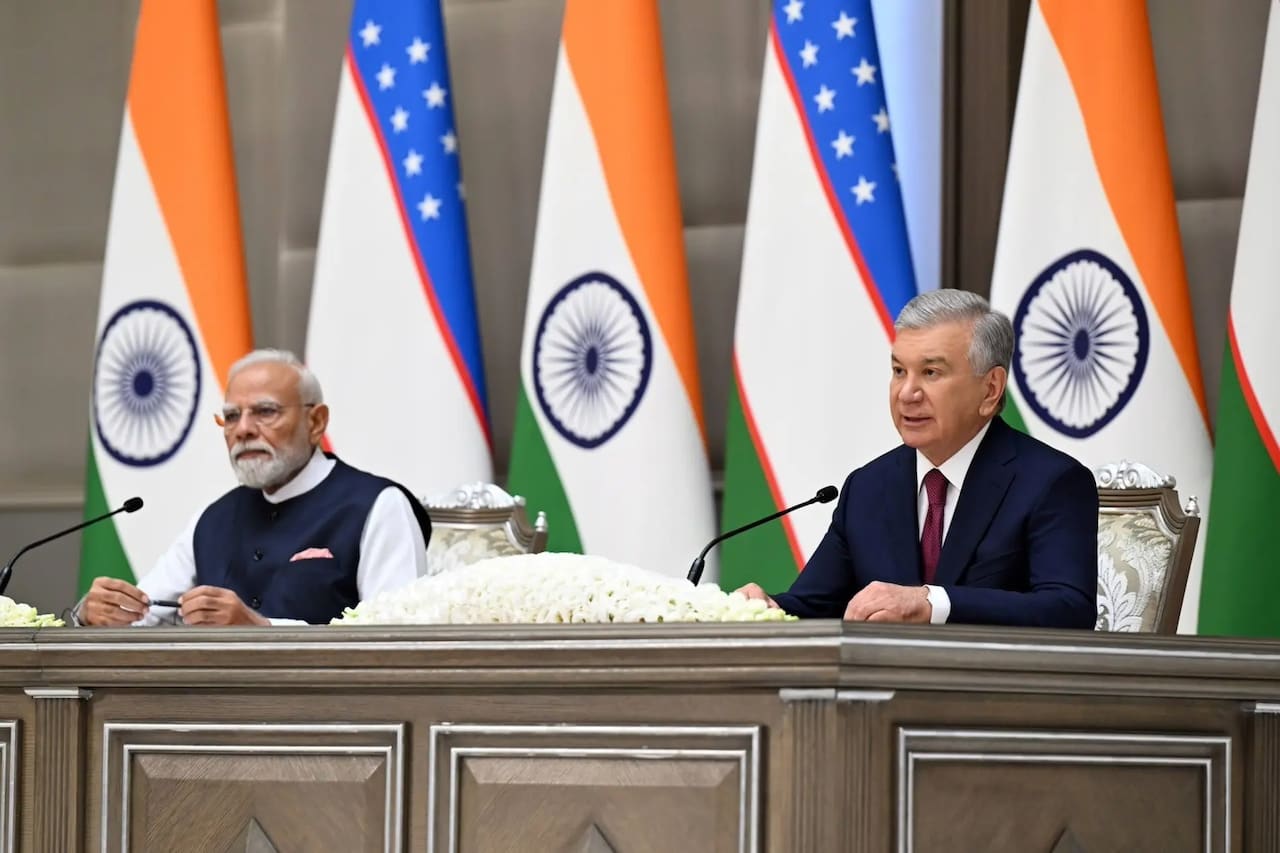
Indian citizens can now travel to Uzbekistan without a visa for stays up to 30 days, following an agreement reached during high-level talks in Tashkent. The announcement came as Uzbek President Shavkat Mirziyoyev and Indian Prime Minister Narendra Modi signed a Tourism Cooperation Programme covering 2026 through 2028.
The visa waiver addresses one of the main friction points for travelers between the two countries. While implementation details are still being finalized, the policy is expected to take effect soon. Travelers should confirm the exact start date and any remaining entry requirements before booking.
The change matters because it opens Uzbekistan to a massive potential audience. India is one of the world's largest sources of outbound tourism, yet the country sent just 26,450 visitors to Uzbekistan in the first half of 2026. That figure places India well behind regional neighbors like Kyrgyzstan, Kazakhstan, and Tajikistan, and also trails Russia and China.
More Than Just Visa Policy
The cooperation program signed by both governments goes beyond entry requirements. According to Uzbekistan's Tourism Committee, the agreement includes plans for reciprocal cultural weeks, film festivals, and the development of joint tourist routes. The goal is to expand exchanges between tourism businesses and create new projects over the next three years.
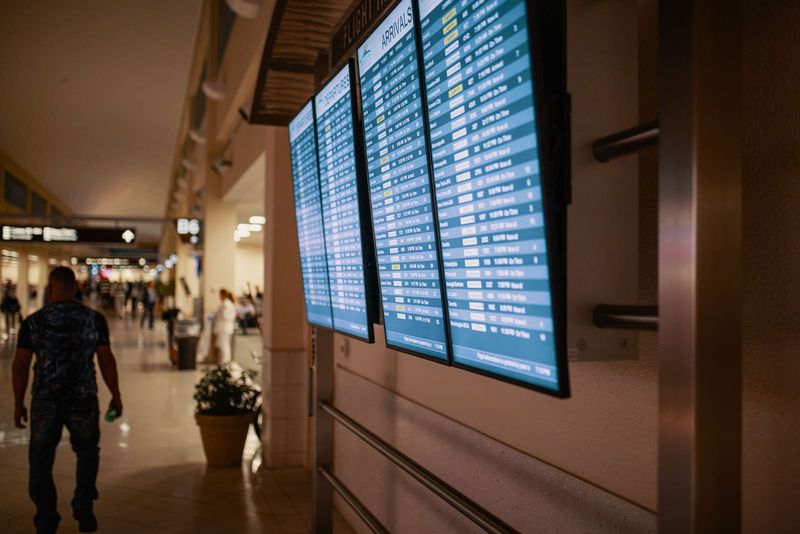
Connectivity is already in place. Fourteen direct flights link the two countries each week, providing a solid foundation for growth. Another practical change could make spending easier on the ground: an agreement between India's NPCI International Payments Limited and Uzbekistan's National Interbank Processing Centre is expected to let Indian travelers use UPI-enabled payment apps while in the country.
Cultural ties are also deepening. Uzbekistan hosts the Lal Bahadur Shastri Centre for Indian Culture and the Mahatma Gandhi Centre for Indian Studies. Yoga has gained traction across Uzbekistan, with a nationwide festival held in June 2026. Earlier in the year, Uzbek athletes competed in the first World Yogasana Championship in Ahmedabad, an event Modi referenced during his visit.
The Bigger Picture
Tourism is just one piece of a much larger partnership. During Modi's state visit, India and Uzbekistan elevated their relationship to a Comprehensive Strategic Partnership. The two governments set a target of $5 billion in bilateral trade by 2030, up from $1.3 billion last year following a 33% jump.
Cooperation now extends across critical minerals, energy, defense, education, digital infrastructure, and transport. A new foreign minister-level mechanism will oversee implementation. The broader relationship could also drive business and MICE travel, adding another layer to the anticipated rise in leisure and cultural tourism.
Uzbekistan's Ambitious Tourism Push
The agreement with India fits into Uzbekistan's broader strategy to turn tourism into a major economic pillar. The Central Asian nation is targeting 20 million international visitors annually by 2030, up from 6.5 million in the first half of 2026 alone. That six-month figure represented a 24.9% increase compared to the same period in 2025.
Authorities want to lift tourism's share of GDP from 3.5% to 7% and generate more than $6 billion in annual tourism exports. To get there, Uzbekistan is investing in accommodation, transport infrastructure, and new tourism products. Dozens of tourism master plans are being implemented across the country.
The strategy also involves diversifying beyond the well-known Silk Road cities of Samarkand, Bukhara, and Khiva. Uzbekistan is developing ecotourism, gastronomy, pilgrimage, medical, sports, and MICE tourism to attract different types of visitors and smooth out seasonal peaks.
What It Means for Travelers
For Indian travelers, the visa waiver removes a logistical hurdle and potentially lowers the total cost of a trip. The 30-day window is generous enough for most leisure itineraries, whether focused on historic sites, nature, or cultural exploration.
For Uzbekistan, the policy represents a calculated bet on volume. India's outbound travel market is large and growing, but tapping it requires more than just open borders. The country will need to sustain its infrastructure investments, maintain service standards, and continue building cultural connections.
The combination of visa-free access, existing flight capacity, digital payment integration, and a formal cooperation framework creates favorable conditions for growth. Whether that translates into a significant shift in visitor numbers will depend on how both governments and private operators execute over the next few years.
With the visa barrier down and 14 weekly flights already in place, the infrastructure for stronger two-way travel is taking shape. The next test is whether travelers respond.