When Fiction Meets Itinerary
The release of Grand Theft Auto VI on 19 November 2026 has already generated £360 million in pre-sale revenue, according to Rockstar Games. The figure positions it as potentially the most profitable media release in history. Yet beyond the commercial milestone, the game is doing something quieter: prompting players to book flights to Florida.
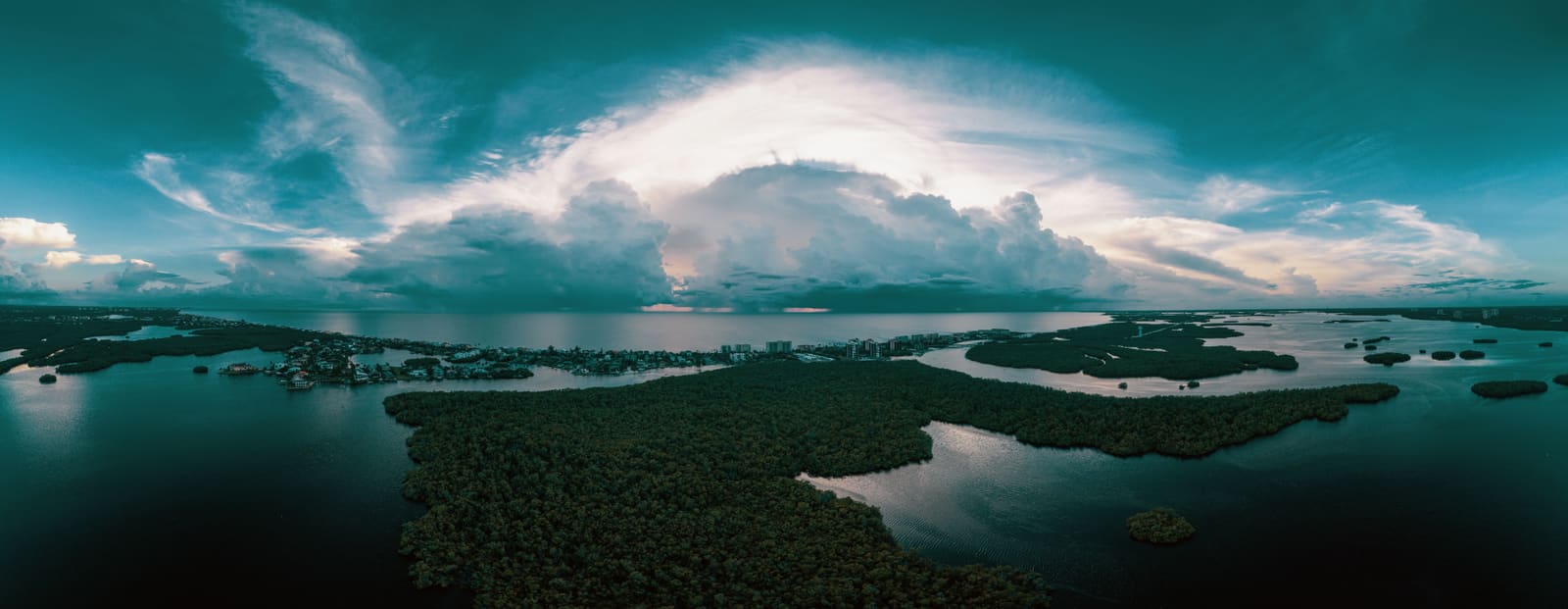
The GTA series builds fictional cities from real-world templates. Liberty City drew from New York; Los Santos mirrored Los Angeles. The latest instalment recreates Florida's coast as "Leonida", and early players are already cross-referencing screenshots with Google Maps, planning which keys to visit and which coastal roads to drive.
It is not an isolated phenomenon. Gamers have been travelling to the physical places behind their screens for years, but the practice is growing more deliberate. Industry observers note that what was once spontaneous recognition during a holiday has evolved into purpose-built trips.
The Pull of Familiar Streets
Tokyo sees steady foot traffic from fans of the Yakuza series and Persona 5, both of which recreate specific neighbourhoods with forensic attention. In Paris, tour operators report interest in Assassin's Creed walking routes. Iceland's black sand beaches attract visitors who first encountered them in Hellblade. The Pacific Northwest draws fans of Days Gone, a post-apocalyptic game set among its forests and small towns.
The appeal is layered. For some, it is about validating the virtual experience, seeing whether the real place matches the crafted version. For others, it is a gateway: the game sparks curiosity, and the trip deepens it. Red Dead Redemption 2, Rockstar's open-world western released between GTA V and VI, has reportedly inspired interest in the American Southwest and the historical period it depicts.
What Developers Get Right
Games that inspire travel tend to share certain traits. They prioritise atmosphere over spectacle, building environments that feel lived-in rather than merely scenic. They allow players to move slowly, notice details, and spend time in a place without constant action. Red Dead Redemption 2 lets you camp, forage for herbs, and ride through forests at your own pace. The Yakuza games fill their streets with izakayas, convenience stores, and karaoke bars that mirror real Tokyo blocks.
Accuracy matters, but so does interpretation. A game that replicates a city street-by-street can feel sterile; one that captures its rhythm and texture tends to resonate more. Los Santos is not Los Angeles, but it distils something recognisable about the city's sprawl, its car culture, its light.
The Economics of Gamified Tourism
For destinations, this is a segment worth watching. Video game tourism does not require infrastructure in the way film tourism does. There are no plaques, no studio tours, no official tie-ins needed. Players arrive with their own reference points, their own routes. They are often younger, digitally fluent, and willing to venture beyond established tourist circuits.
The challenge is that the interest can be diffuse. A game might inspire travel to a region rather than a single landmark, making it harder for tourism boards to market or measure. And not all games lend themselves to real-world visits. Fantasy settings and post-apocalyptic wastelands have limited appeal as holiday destinations.
The Limits of the Trend
Not everyone who plays a game set in Tokyo will book a ticket. The overlap between gaming and travel is real but not universal. Budget, time, and interest in travel itself all play a role. For some, the game is enough; the virtual version satisfies the curiosity without requiring a passport.
There is also the question of expectation. A city experienced through a game is compressed, curated, and often idealised. The real version includes traffic, weather, language barriers, and the mundane friction of any trip. Some visitors find that enriching; others find it disappointing.
Still, the pattern is clear. As games grow more detailed and more immersive, they function not just as entertainment but as a form of place-making. They build emotional connections to locations players have never physically visited. And for a growing number, that connection is enough to prompt a journey.