A Rare Celestial Event Returns
Next Wednesday marks an occasion that doesn't come around often for British skywatchers. On 12 August, the moon will slide between Earth and the sun, creating a partial solar eclipse visible across the UK and Ireland. For observers in Cornwall, coverage will reach 95 per cent, the most substantial eclipse seen from British soil since the total blackout of 1999.
While viewers in Greenland, Iceland, and northern Spain will experience totality, where the moon completely blocks the sun's disc, Britain's partial eclipse still promises a memorable sight. According to Royal Museums Greenwich, a solar eclipse happens when the three celestial bodies align precisely, with the moon casting its shadow onto Earth's surface. The next total eclipse visible from the UK won't arrive until 2090, making this event particularly noteworthy for anyone who missed the millennial spectacle 27 years ago.
Timing Varies by Location
The eclipse unfolds over roughly two hours, though exact timings shift depending on where you stand. Scotland will see first contact, the moment the moon begins crossing the sun's edge, at 6:08 PM. In Truro, on Cornwall's south-western tip, that moment arrives ten minutes later at 6:18 PM.
Maximum coverage occurs between 7:05 PM and 7:15 PM across different parts of the country, when the moon obscures the largest portion of the sun's face. By 8:10 PM, the moon will have moved clear, and the event concludes. Weather permitting, the further south-west you travel, the deeper the eclipse you'll witness.
Best Vantage Points
Cornwall's Atlantic Coast Cornwall offers Britain's prime viewing territory, with coverage reaching 95 per cent from 6:18 PM and peaking at 7:16 PM. The Lizard peninsula and Land's End provide unobstructed horizons where the low sun meets open sky, ideal for watching the moon's slow passage.
Mizen Head, Ireland Ireland's most south-westerly headland claims the title for deepest coverage in the British Isles, with nearly 97.5 per cent of the sun disappearing behind the moon. The dramatic cliffs at Mizen Head offer both spectacle and symbolism, standing at the edge of the Atlantic where the eclipse reaches its maximum before sweeping eastward.
Pembrokeshire's Dark Sky Sites Wales will see approximately 90 per cent coverage overall, but Pembrokeshire edges higher at 94 per cent. Poppit Sands, designated a Dark Sky Discovery Site for its minimal light pollution, provides an appropriate setting for the dimming daylight that accompanies deep partial eclipses.
Eryri National Park Snowdonia's mountain peaks won't add percentage points to the eclipse, but they do offer elevated viewpoints across north Wales. At 90 per cent coverage, the landscape will take on the eerie, flat light characteristic of significant solar obscuration.
Edinburgh and the Highlands Scotland witnessed a deeper partial eclipse in March 2015, when 98 per cent of the sun vanished while the path of totality crossed the Faroe Islands. This time, Edinburgh will see 91 per cent coverage, still enough to noticeably alter the quality of evening light across the Highlands.
London's Parks The capital sits further from the eclipse's optimal zone, but 90 per cent coverage from 7:12 PM remains substantial. Primrose Hill and Greenwich Park both offer elevated sightlines toward the western horizon where the partially eclipsed sun will hang low in the sky.
Safe Viewing is Essential
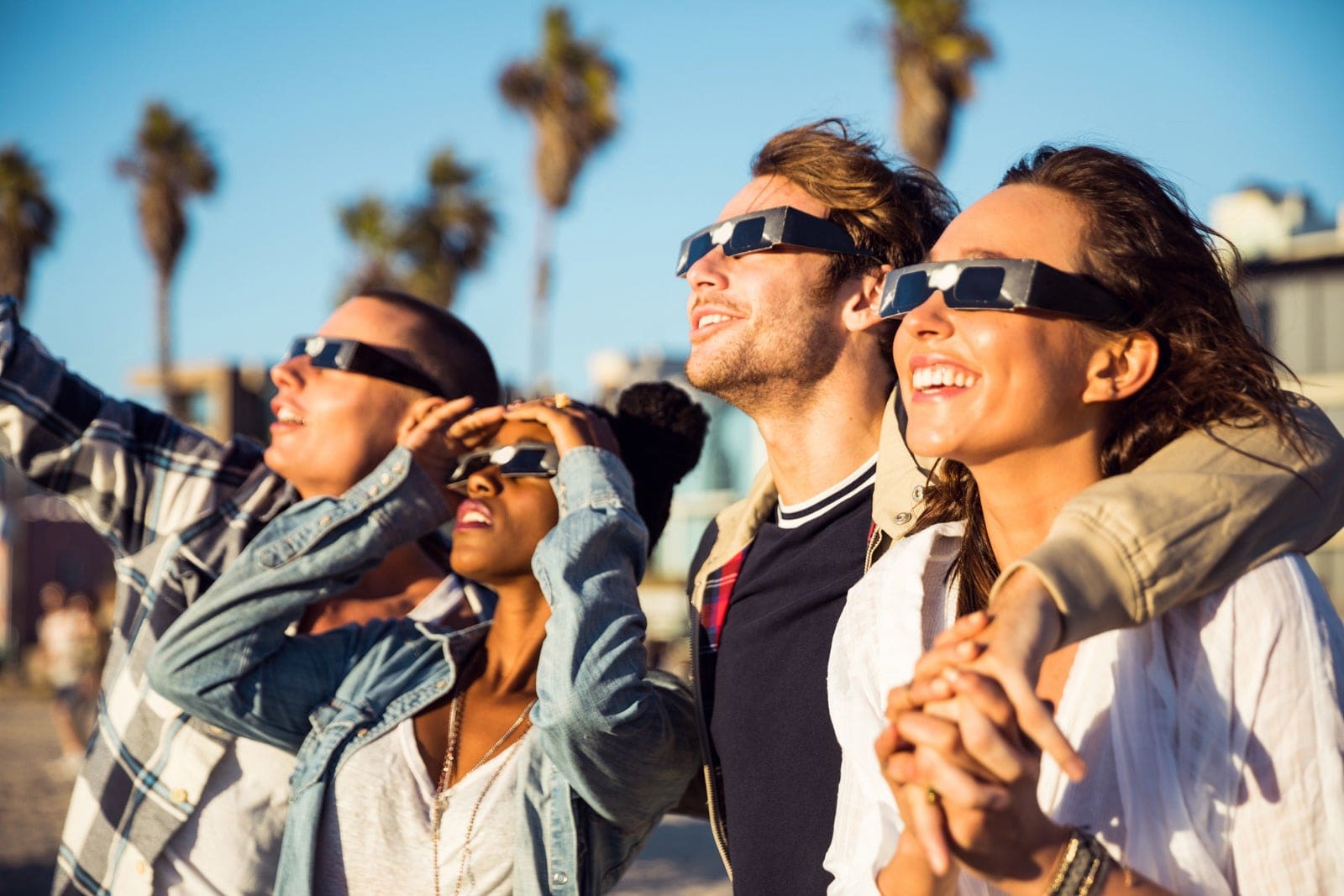
Looking directly at the sun, even when 95 per cent covered, can cause permanent eye damage. Eclipse glasses with proper solar filters are not optional accessories but necessary equipment. The Royal Astronomical Society provides guidance on safe viewing methods, including instructions for constructing pinhole projectors from household materials. These simple devices project an image of the eclipsed sun onto a surface, allowing indirect observation without risk.
Standard sunglasses, no matter how dark, do not provide adequate protection. Only glasses meeting the ISO 12312-2 international safety standard block enough solar radiation to prevent retinal burns.
Why This Matters for Travelers
Solar eclipses have drawn travelers to remote locations for centuries, and the 2026 event will send thousands to Iceland, Greenland, and northern Spain to stand in the moon's full shadow. But for those who cannot chase totality, this partial eclipse offers a meaningful alternative, visible from familiar ground without long-haul flights or specialized tours.
The 64-year gap until Britain's next total eclipse in 2090 places this event in perspective. Most people alive today won't see another total eclipse from UK soil. Even a deep partial eclipse carries weight when you consider the rarity.
The timing also matters. An early August evening means warmer weather and longer days than the March eclipses that often coincide with cloud cover and cold. Families can watch without bundling children against winter wind, and the summer holiday season means more people are already traveling within the UK, positioned to add an eclipse stop to their itinerary.
Crowds and Cloud
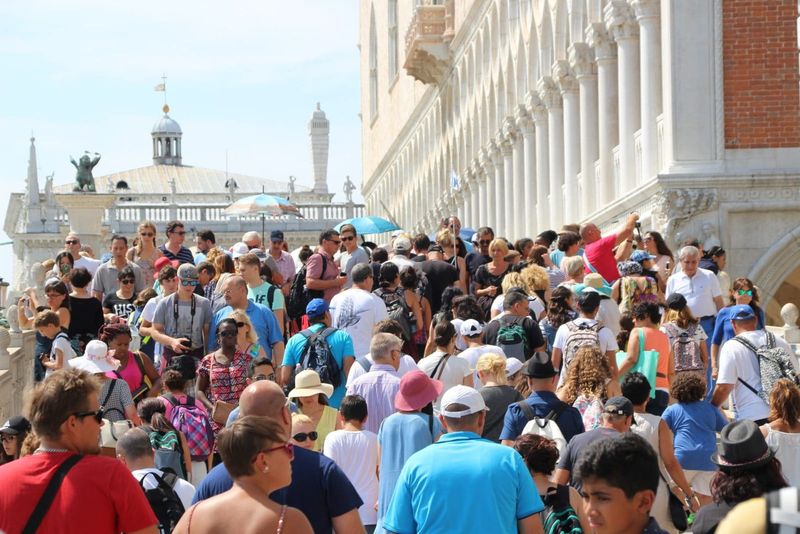
Cornwall in August already draws substantial visitor numbers, and eclipse day will likely add to the usual beach traffic. Coastal car parks near Land's End and the Lizard may fill earlier than typical. Those planning to watch from popular viewpoints should arrive well before the 6:18 PM start time.
Weather remains the wildcard. British summer evenings are not guaranteed clear skies, and even scattered clouds can obscure the sun at critical moments. No amount of advance planning controls atmospheric conditions, though checking forecasts in the days leading up to 12 August can help viewers choose between potential locations.
The eclipse's evening timing means the sun will already be relatively low in the western sky. Buildings, trees, or hills that wouldn't block the midday sun may interfere with views. Scouting locations in advance, or choosing open coastal areas, reduces the risk of obstructed sightlines when the moon begins its transit.
For those who cannot travel or face cloudy skies, astronomy organizations often stream eclipses online, though watching through a screen inevitably loses the experiential element of standing beneath a dimming sky, feeling the temperature drop as the moon steals the sun's warmth.