The Savings That Stayed in the Boardroom
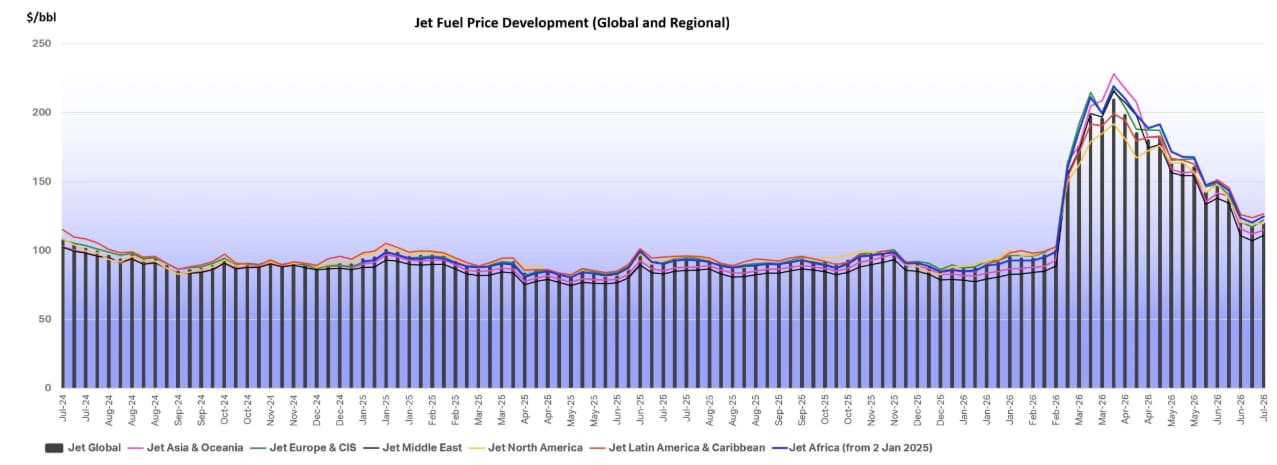
When fuel supply chains stabilized after months of volatility, the airline industry quietly pocketed the difference. Jet fuel prices have dropped 40% since their April peak, according to data from S&P Global Energy Platts, yet the savings have not reached passengers. Domestic tickets booked a week ahead now cost 34% more than they did in June last year, investment firm Raymond James reports.
The spring surge in fuel costs came after disruptions to the Strait of Hormuz following military actions earlier this year. Airlines responded with eight rounds of fare increases between February and May, pushing ticket prices nearly $100 higher year-on-year by late spring. But as fuel costs retreated, fares stayed put.
Demand and Consolidation Hold the Floor
Airline executives have been candid about their strategy. Southwest CEO Bob Jordan told investors in May that he expected the industry to keep most of the fare increases rather than roll them back. He pointed to tighter control over pricing, helped along by the collapse of Spirit Airlines, a major budget carrier whose exit removed pressure from the low-fare segment.
American Airlines CEO Robert Isom made similar remarks, acknowledging that his company benefited directly from Spirit's troubles. The budget airline had competed with American on many routes, and its service cuts brought what Isom described as improvement across the board in those markets.
United Airlines CEO Scott Kirby noted an unusual lack of price sensitivity among travelers, attributing it to strong demand that shows little sign of weakening. That resilience has given carriers room to maintain higher fares even as one of their largest cost inputs has fallen sharply.
When Travelers Might See Relief
The persistence of high fares depends largely on whether demand holds. An Ipsos survey conducted in May found that 56% of respondents were extremely or very concerned about rising airline costs, a signal that caution could begin to temper buying behavior in the months ahead.
Analysts expect the real test to come after Labor Day in early September, when leisure travel typically slows and airlines adjust capacity for autumn. Conor Cunningham, an analyst at Melius Research, anticipates a return to fare sales and discounting only if demand softens in that period. Until then, the lower fuel environment is unlikely to translate into lower ticket prices.
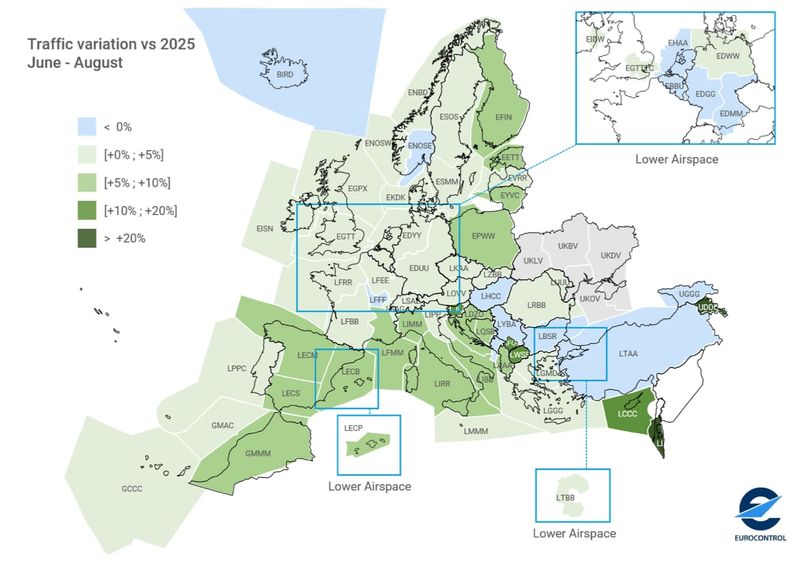
In Europe, the outlook is somewhat different. A Mastercard survey found that more than 80% of respondents planned to travel within the next six months, suggesting that demand remains robust well into the fall despite broader geopolitical uncertainty. That sustained appetite for travel could keep pricing firm on both sides of the Atlantic.
The Structural Shift
What is unfolding is less a temporary anomaly and more a structural shift in how airlines manage pricing. The industry has consolidated significantly in recent years, and the exit of a major budget competitor has accelerated that trend. With fewer players and stronger market control, carriers have more leverage to set fares independent of fuel cost fluctuations.
This dynamic challenges the traditional expectation that lower input costs lead to lower consumer prices. Airlines are treating the recent fuel relief as margin expansion rather than an opportunity to compete on price. For passengers, that means the relationship between what airlines pay for fuel and what travelers pay for tickets has become far less direct than it once was.
The question now is whether external forces, regulatory pressure, or a genuine demand slowdown will eventually force a correction, or whether the current fare environment represents a new baseline for the industry.